The U.S. stock market is getting close to dot-com bubble peak valuations

The Shiller cyclically adjusted price-to-earnings (CAPE) ratio for U.S. stocks has recently garnered attention as it approaches the peak valuations observed during the dot-com bubble of 1999. As of now, this ratio is hovering around levels that have historically signified overvaluation in the market. The CAPE ratio, which smooths earnings over a ten-year period to account for economic cycles, is a key indicator used by investors to assess whether stocks are overvalued or undervalued. As it climbs closer to the late 1990s highs, analysts are raising concerns about the sustainability of the current market rally.
To understand the significance of this development, it is crucial to reflect on the events of the late 1990s. The dot-com bubble was characterized by excessive speculation in internet-based companies, leading to inflated stock prices that eventually culminated in a dramatic market crash in 2000. The CAPE ratio at that time soared to unprecedented levels, which many investors and analysts now view as a cautionary tale. Fast forward to today, and similar patterns are emerging, prompting some market participants to question whether history is repeating itself.
This situation matters for the market as it signals potential risks ahead. A high CAPE ratio typically indicates that stocks may not have much room for growth, and any negative news or economic downturn can trigger a sharp decline in stock prices. Investors are increasingly wary of the implications of such valuations, particularly given the current economic environment, which includes rising interest rates and concerns about inflation. If the market does experience a correction, the fallout could reverberate beyond stocks, potentially impacting investor sentiment across various asset classes, including cryptocurrencies.
Industry experts have begun weighing in on this trend, with mixed reactions. Some analysts argue that unlike the late 1990s, today's market has strong underlying fundamentals, such as robust earnings growth and advances in technology, which could justify current valuations. Others, however, caution that the hypervaluation indicated by the CAPE ratio serves as a stark reminder of the fragility of the market. They emphasize the importance of exercising prudence and maintaining a diversified portfolio, as the consequences of a market correction could be severe for those heavily invested in equities.
Looking forward, market participants will be closely monitoring the CAPE ratio and other economic indicators. As the Federal Reserve continues to navigate monetary policy in response to inflation, the interplay between interest rates and stock valuations will be critical. If the CAPE ratio continues to rise without a corresponding increase in earnings, it may prompt a reassessment of risk across the market. In the coming months, we may see a shift in investor behavior as they weigh the potential for a market correction against the backdrop of historical precedents.

CoinMagnetic Team
Crypto investors since 2017. We trade with our own money and test every exchange ourselves.
Updated: May 2026
From our insights:
Related news

Bitcoin's weekly close above $81,000 signals potential rise to $90,000

Elon Musk's X integrates bitcoin trading options for U.S. users
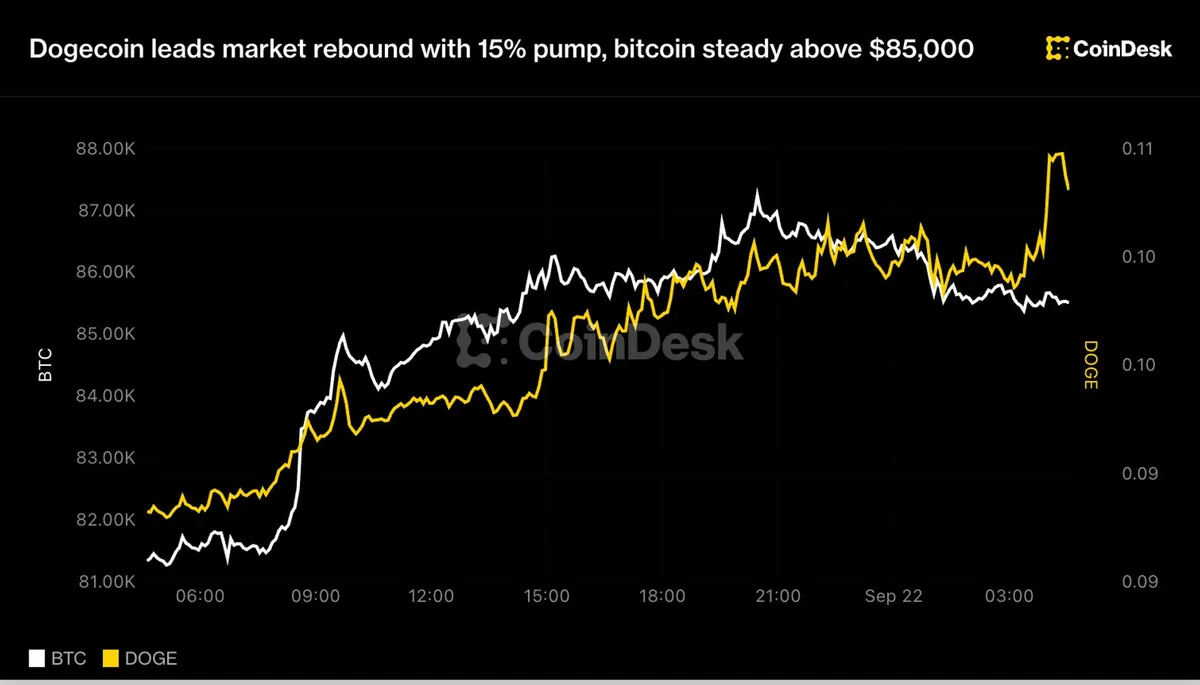
Dogecoin's 15% surge drives market recovery as bitcoin stabilizes above $85,000

Cardano adds tools for AI agent payments, joining Solana and XRP Ledger

Trueo prediction market moves from Base to Ethereum