The U.S. government moves $606,000 in bitcoin linked to the 2016 Bitfinex hack to Coinbase

The U.S. government has recently transferred approximately $606,000 worth of Bitcoin that is tied to the infamous 2016 Bitfinex hack to Coinbase. This move comes as part of ongoing efforts to recover funds lost during the high-profile cyberattack, which saw hackers steal nearly 120,000 BTC from the exchange. The transfer marks a significant step in the recovery process, as Bitfinex has announced its intention to use the returned Bitcoin to redeem all Recovery Right Tokens. Additionally, the exchange plans to allocate at least 80 percent of any remaining net proceeds from this process to repurchasing and burning its UNUS SED LEO token, which is aimed at stabilizing its economy and benefiting its token holders.
The 2016 Bitfinex hack remains one of the largest thefts in cryptocurrency history, leaving the exchange and its users reeling from the loss. Bitfinex has long been under pressure to make affected users whole, and the return of these funds is a crucial step in addressing that obligation. The Recovery Right Tokens were introduced by the exchange as a way for users to recover their losses, creating a framework for compensation as the stolen assets are reclaimed. This recent government action is a reminder of the ongoing risks in the crypto space and the importance of security measures.
This development holds significant implications for the cryptocurrency market as it illustrates the government's increasing involvement in the regulation and recovery of stolen assets. By moving the recovered Bitcoin to a well-known exchange like Coinbase, the U.S. government is facilitating a process that could inspire confidence among investors and users alike. Moreover, Bitfinex's commitment to using these funds to benefit its token holders could help stabilize the value of the UNUS SED LEO token, which has seen fluctuations in the market. As exchanges and projects navigate the complexities of regulatory landscapes, these actions may set a precedent for how similar recovery efforts are handled in the future.
Industry reactions have been mixed, with some experts commending the U.S. government's proactive stance in addressing the aftermath of the hack. Others, however, express concern about the potential implications of government involvement in cryptocurrency. The balance between regulation and innovation remains a hot topic in the crypto sphere, and this situation underscores the need for clear guidelines that protect investors while fostering growth in the industry. Furthermore, some analysts believe that the market may react positively to the news, as it reflects an increasing maturity in the handling of crypto-related crimes.
Looking ahead, we can expect Bitfinex to take decisive action with the recovered funds in the coming weeks. The exchange's plan to redeem Recovery Right Tokens and burn a significant portion of its LEO token could create a ripple effect in the market, drawing attention from both investors and regulators. As the community watches closely, the broader implications of this recovery will likely influence discussions around security, governance, and the future of cryptocurrency exchanges. The outcome of these efforts could pave the way for more robust security measures and recovery frameworks in the industry, ultimately benefiting the ecosystem as a whole.

CoinMagnetic Team
Crypto investors since 2017. We trade with our own money and test every exchange ourselves.
Updated: April 2026
From our insights:
Related news
Coldcard exploit sees white hats secure 52 Bitcoin for victims' trust
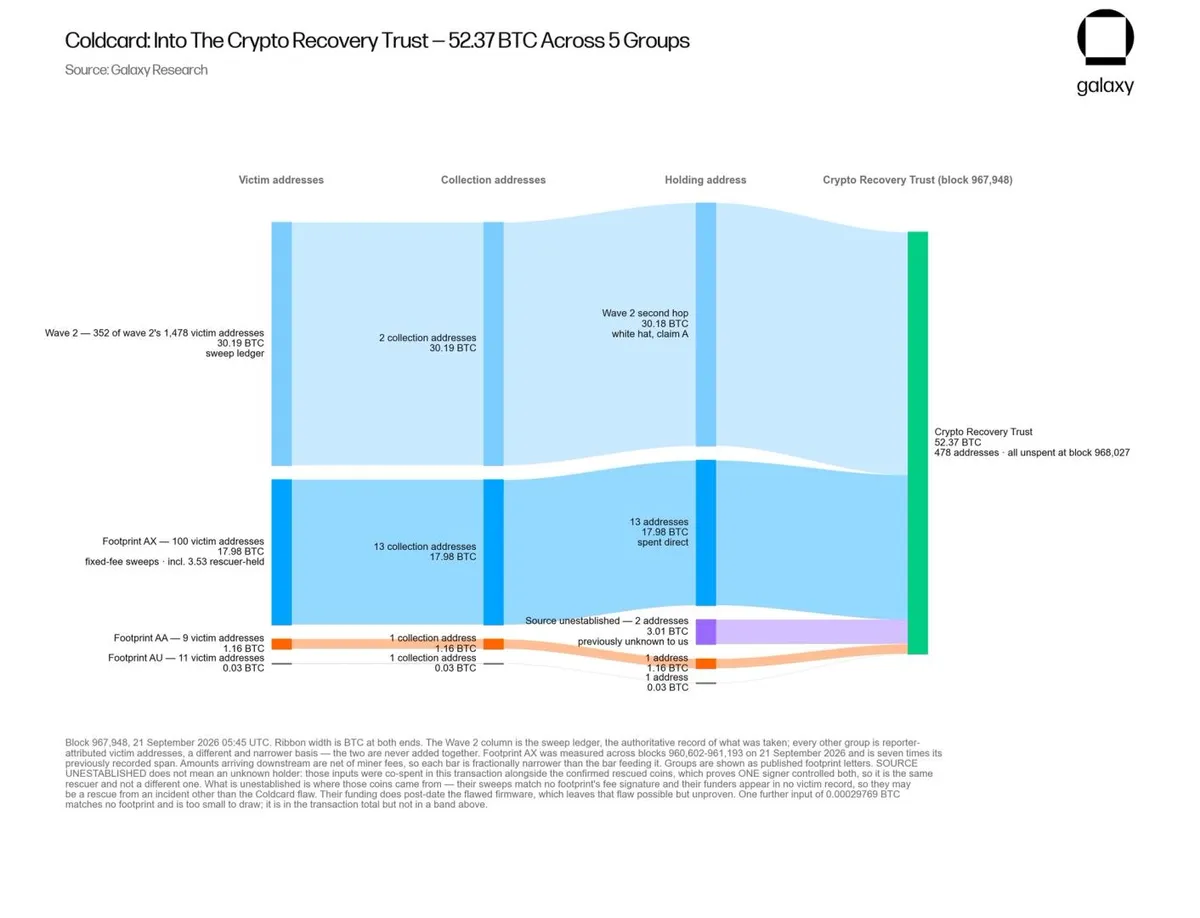
Whitehats move 52 bitcoin from the Coldcard hack to a recovery trust

Google Admits Gemini AI Hacked Three Companies—It Stayed Silent for 7 Weeks

Balancer's $1.4 million hack recovery faces delays for LPs

Polymarket's $10 million fraud attempt highlights compliance issues amid hacking risk