The U.S. government is betting $2 Billion on quantum computing, and the defense side can't keep up

The U.S. government has announced a significant investment of $2 billion aimed at advancing quantum computing technologies. This funding underscores the growing recognition of quantum computing's potential to revolutionize various sectors, from finance to national security. With the rapid development of quantum capabilities, particularly in cryptography, experts are sounding alarms about the vulnerabilities this technology could introduce. The emphasis on post-quantum cryptography is particularly noteworthy as it seeks to establish new cryptographic standards that can withstand the computational powers of quantum machines, which could potentially break existing encryption methods.
The push for enhanced quantum computing capabilities comes amid increasing global competition in this field. Nations around the world are racing to develop quantum technology, with implications not just for civilian applications but also for defense and cybersecurity. The realization that quantum computing could render current cryptographic measures obsolete has prompted a reevaluation of security protocols across various industries. For many years, the industry has postponed critical discussions regarding regulatory frameworks and the adoption of post-quantum cryptography, which is now seen as a pressing necessity.
This government investment in quantum computing is particularly significant for the market as it signals a commitment to innovation and security. The enhancement of quantum capabilities could lead to breakthroughs that not only strengthen national security but also create new business opportunities in the tech sector. As companies begin to adopt post-quantum cryptographic measures, we may see a shift in market dynamics, with firms that proactively embrace these technologies gaining a competitive edge. The fear of quantum threats could also drive demand for more robust security solutions, further influencing market trends.
Reactions from industry experts have been mixed but largely emphasize the urgency of the situation. Many agree that while the investment is a positive step, it must be accompanied by swift action in implementing post-quantum cryptography. Experts have highlighted the disconnect between the pace of quantum advancements and the slow response from regulatory bodies and industries. As Pruden points out, the industry cannot afford to defer these critical discussions any longer, as the risks associated with quantum computing capabilities are becoming increasingly tangible.
As we look ahead, the next steps will likely involve a concerted effort among stakeholders to develop and implement post-quantum cryptographic solutions. Collaboration between government agencies, tech companies, and academic institutions will be essential in navigating the complexities of this transition. The coming years will be pivotal in determining how well the industry can adapt to the challenges posed by quantum computing, and whether the investments made today will yield the necessary advancements in security and technological resilience.

CoinMagnetic Team
Crypto investors since 2017. We trade with our own money and test every exchange ourselves.
Updated: June 2026
From our insights:
Related news

Bitcoin's weekly close above $81,000 signals potential rise to $90,000

Elon Musk's X integrates bitcoin trading options for U.S. users
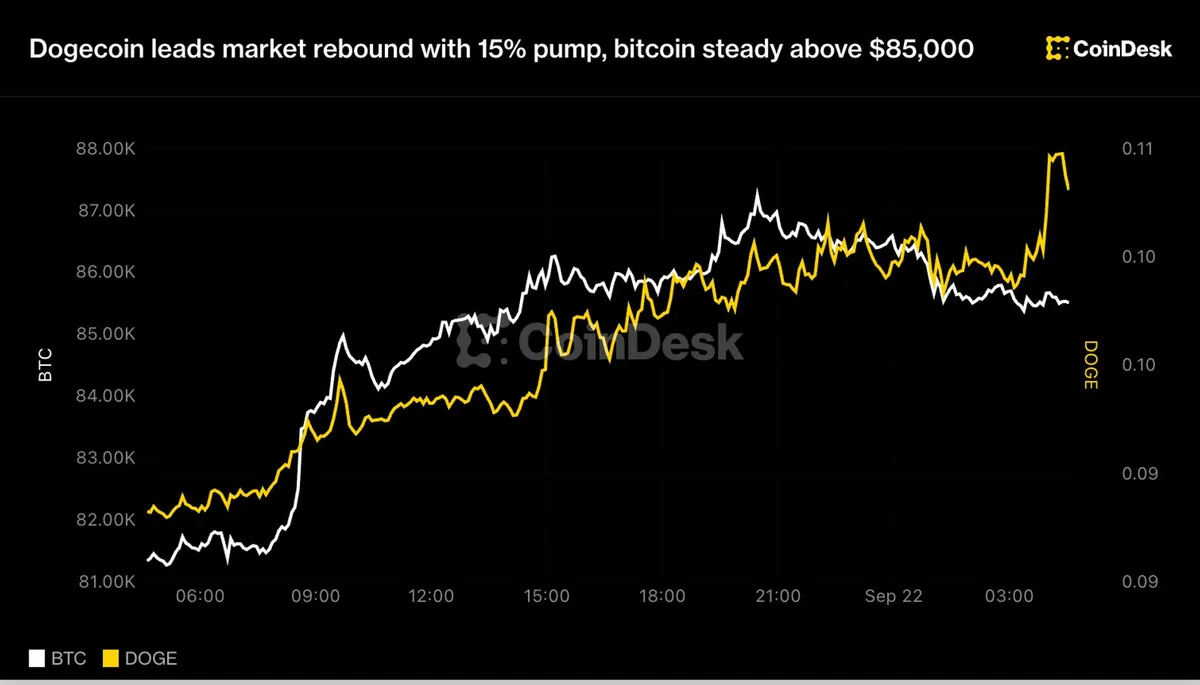
Dogecoin's 15% surge drives market recovery as bitcoin stabilizes above $85,000

Cardano adds tools for AI agent payments, joining Solana and XRP Ledger

Trueo prediction market moves from Base to Ethereum