The U.S. can’t lose the bitcoin race to China

The recent discourse surrounding the competition between the U.S. and China has taken a notable turn, focusing not just on military capabilities but also on the future of cryptocurrency–specifically Bitcoin. The argument put forth emphasizes that China is making significant strides in establishing itself as a leader in the cryptocurrency space. As the Chinese government continues to invest in blockchain technology and digital currency initiatives, the U.S. is urged to take proactive steps to maintain its competitive edge in this emerging financial landscape.
Historically, the U.S. has been at the forefront of technological innovation, particularly in the realm of finance and digital assets. However, China's aggressive approach, marked by regulatory support for blockchain projects and the development of its digital yuan, presents a formidable challenge. The Chinese government’s commitment to shaping the future of money could redefine global financial dynamics, potentially sidelining the U.S. if it does not adapt quickly. This backdrop sets the stage for a broader conversation about how nations perceive and interact with cryptocurrencies, which are increasingly viewed as tools for geopolitical influence.
The implications of this competition are profound for the cryptocurrency market and, by extension, the global economy. If China succeeds in establishing a dominant position through its digital currency initiatives, it could lead to a shift in economic power dynamics, affecting everything from trade to international investment strategies. The U.S. must consider how to foster innovation and regulatory frameworks that encourage the growth of its own cryptocurrency ecosystem to avoid being outpaced. This is particularly critical as institutional adoption of Bitcoin and other cryptocurrencies continues to rise, highlighting the need for a robust, forward-thinking approach from U.S. policymakers.
Industry experts are weighing in on this topic, underscoring the importance of a clear and supportive regulatory environment for cryptocurrencies in the U.S. Many believe that without such measures, the nation risks losing out on technological advancements that could lead to significant economic benefits. Some analysts argue that collaboration between government and industry could help the U.S. better navigate the complexities of the crypto landscape, enabling the country to leverage its strengths in innovation while countering any competitive threats from abroad.
Looking ahead, the stakes are high. The U.S. has the opportunity to respond to this challenge with a comprehensive strategy that embraces innovation while ensuring consumer protection and market integrity. As the global power competition unfolds, the race to lead in cryptocurrency will likely intensify, making it imperative for American stakeholders to engage in meaningful dialogue and action. The decisions made in the coming months could have lasting impacts on the future of money and the role of cryptocurrencies in the global economy.

CoinMagnetic Team
Crypto investors since 2017. We trade with our own money and test every exchange ourselves.
Updated: May 2026
From our insights:
Related news

Bitcoin surges past $86,000 as $1 billion in shorts are liquidated, eyes on $90,000
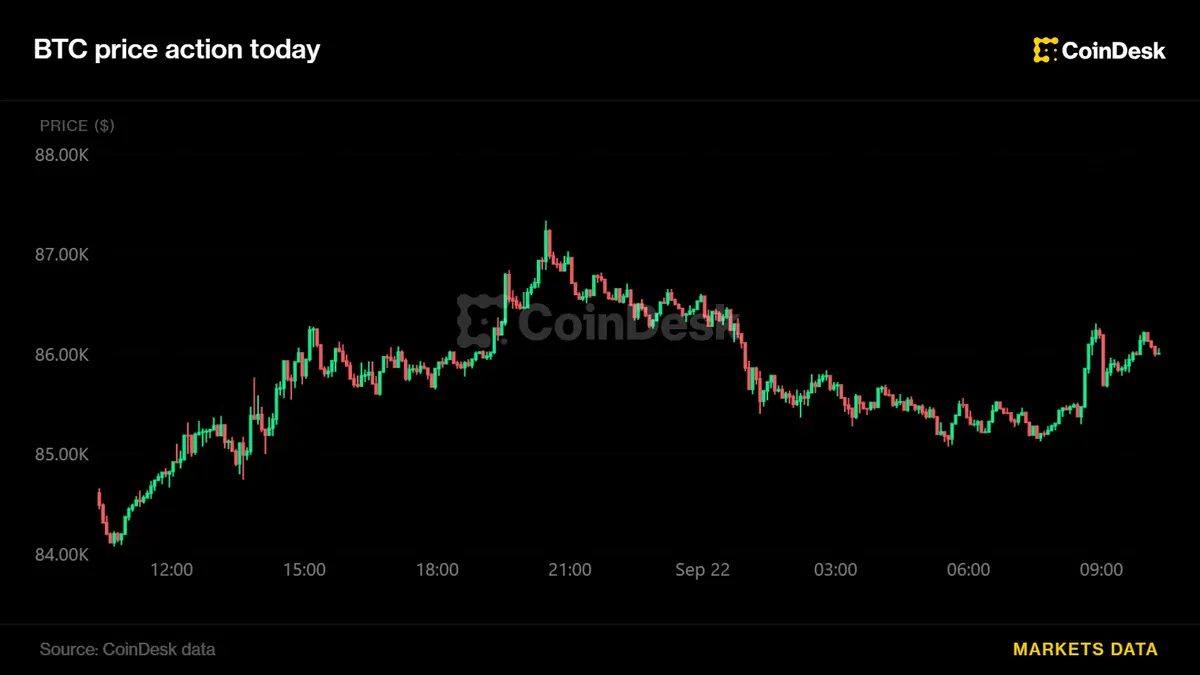
Bitcoin bounces back to $86,000 as oil prices decline and stocks rise

Prediction markets projected to reach $10 trillion by 2035, surpassing sports

Iran hints at reopening Strait of Hormuz, WTI oil drops to $89

New altseason signal emerges as Bitcoin market cap stays under 60%