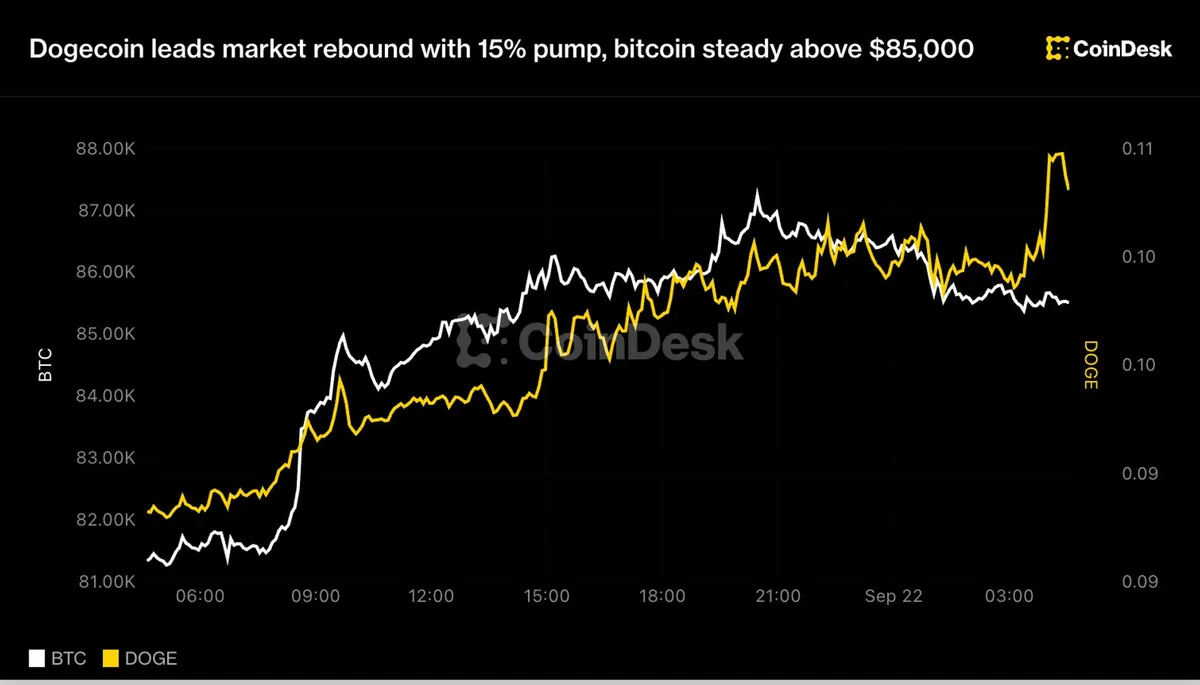
The two- and ten-year Treasury yields hit a 12-month high. Bitcoin is still stuck below its 200-day average.

The recent surge in the two- and ten-year Treasury yields has captured the attention of investors and analysts alike, marking a 12-month high that could have significant implications for various asset classes. As yields rise, the increasing return on safer government bonds potentially draws capital away from riskier investments, including cryptocurrencies like Bitcoin and gold. This trend could exacerbate the struggles that Bitcoin has faced, as it continues to trade below its 200-day average, indicating a lack of momentum and investor confidence in the digital asset.
To understand the context, it's essential to recognize the broader economic environment that has led to these rising yields. Central banks, particularly the Federal Reserve, have been navigating a complex landscape of inflationary pressures and economic recovery. In this context, higher yields often signal expectations of tightening monetary policy or a shift in economic outlook. As investors recalibrate their portfolios in response to these developments, traditional safe-haven assets may appear more attractive, putting additional pressure on riskier assets like Bitcoin.
The implications for the market are noteworthy. Rising Treasury yields could act as a headwind for Bitcoin and other cryptocurrencies, as they may divert investment flows towards fixed-income assets that offer more predictable returns. With Bitcoin's price stagnating below its 200-day average, the cryptocurrency is struggling to gain the bullish momentum needed to attract new investors. This situation could lead to increased volatility in the crypto market, as traders react to changing macroeconomic signals and adjust their strategies accordingly.
Industry experts have weighed in on the situation, highlighting the potential consequences of rising yields on the broader cryptocurrency ecosystem. Some analysts argue that while higher Treasury yields may pose challenges for Bitcoin, they could also create new opportunities in tokenized Treasury markets. These markets offer a way to bridge traditional finance with the crypto space, potentially attracting institutional investors looking for innovative solutions. However, the immediate outlook for Bitcoin remains uncertain, with many in the industry advocating for patience as macroeconomic factors play out.
Looking ahead, market participants will be closely monitoring economic indicators and central bank communications that could influence Treasury yields. Should yields continue to rise, the pressure on Bitcoin and similar assets may persist, requiring the cryptocurrency to demonstrate resilience and adaptability in the face of changing conditions. Investors will need to stay informed and agile, as the interplay between traditional finance and the evolving crypto landscape unfolds in the coming months.

CoinMagnetic Team
Crypto investors since 2017. We trade with our own money and test every exchange ourselves.
Updated: May 2026
From our insights:
Related news
Iran hints at reopening Strait of Hormuz, WTI oil drops to $89

New altseason signal emerges as Bitcoin market cap stays under 60%

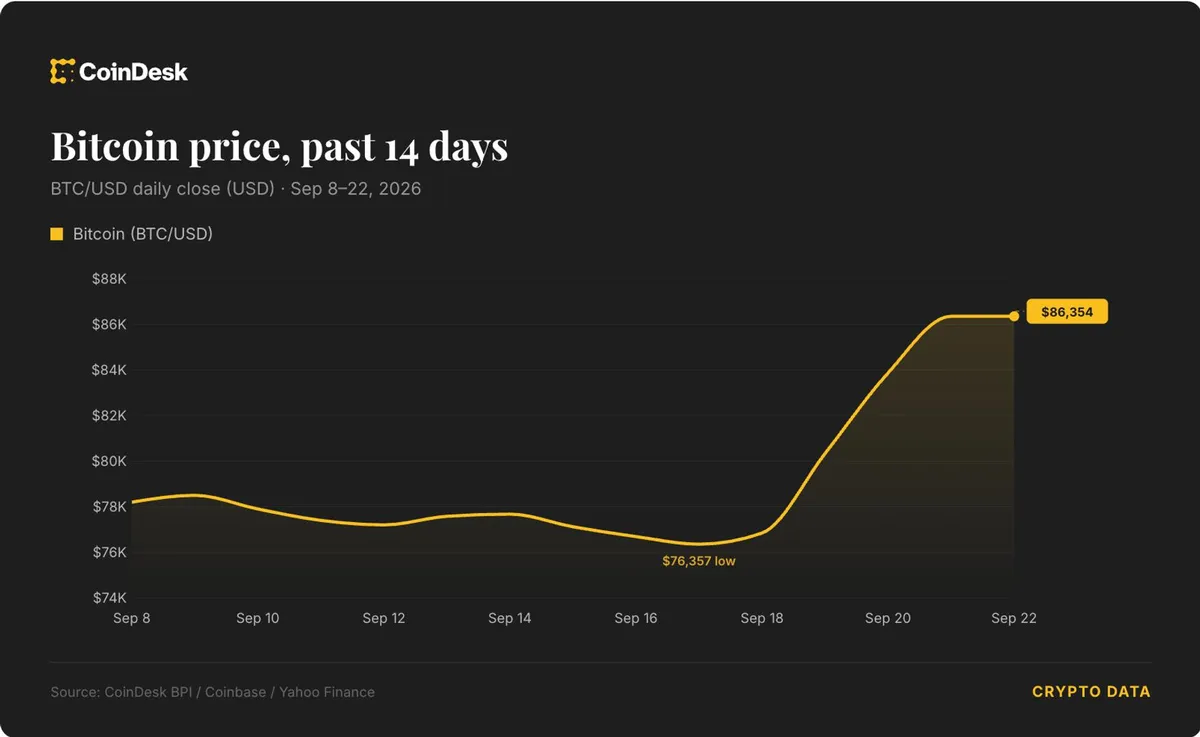
Bitcoin nears $86,000 as crypto market cap surpasses $3 trillion

Bitcoin's weekly close above $81,000 signals potential rise to $90,000

Elon Musk's X integrates bitcoin trading options for U.S. users