Tokenization signifies a fundamental shift in value creation and ownership

Tokenization is emerging as a transformative force in the financial landscape, as highlighted by Lily Liu of the Solana Foundation. She argues that this evolution goes beyond merely increasing access to tokens; it represents a profound change in the way value is created, owned, financed, and transferred. This shift suggests that almost everything of value can now be expressed as a token, implying a significant reconfiguration of traditional economic structures and interactions.
The concept of tokenization has been gaining traction over the past few years, particularly with the rise of blockchain technology. As more assets–from real estate to art–are being represented as tokens on various platforms, the implications are vast. This trend has the potential to democratize access to investment opportunities and alter the dynamics of ownership. By breaking down assets into smaller, tradable units, tokenization can enhance liquidity and broaden participation in markets that were previously out of reach for many investors.
This shift matters for the market as it opens new avenues for investment and financing, potentially leading to more innovation and economic activity. The ability to tokenize assets can drive inclusivity and allow for fractional ownership, which could attract a wider range of investors. As more entities recognize the value of tokenization, we may see a surge in projects aimed at creating and utilizing tokens, which could consequently impact market dynamics and valuations.
Industry reactions have been mixed, with many experts acknowledging the benefits while raising concerns about regulatory challenges and the need for robust frameworks to ensure security and trust. Some industry leaders are optimistic about the potential for tokenization to create new business models and revenue streams. However, there is also a call for caution as the landscape evolves, emphasizing the importance of understanding the legal implications and risks associated with digital assets.
Looking ahead, the future of tokenization seems promising, with advancements in technology and growing acceptance among businesses and consumers. As the ecosystem matures, we can expect to see increased collaboration between traditional financial institutions and blockchain innovators. This partnership could lead to the development of new products and services that leverage the advantages of tokenization, shaping the next phase of the financial revolution.

CoinMagnetic Team
Crypto investors since 2017. We trade with our own money and test every exchange ourselves.
Updated: September 2026
From our insights:
Related news
Bitcoin exchange-traded funds see nearly $1 billion exit over a two-week span

AIsa total funding exceeds $9 million following strategic seed extension by Tether

Solana logs two years without outages, though Fidelity flags stake concentration

Visa Direct moves USDC prefunding into commercial production with Inyo Global
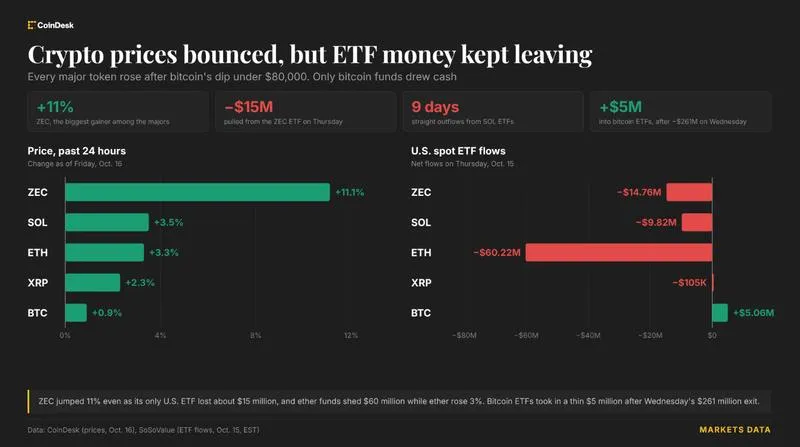
Bitcoin recovers past $82,000 while ZEC surges 11% despite ongoing ETF outflows