Robinhood's AMC token sparks debate on legitimate tokenization models
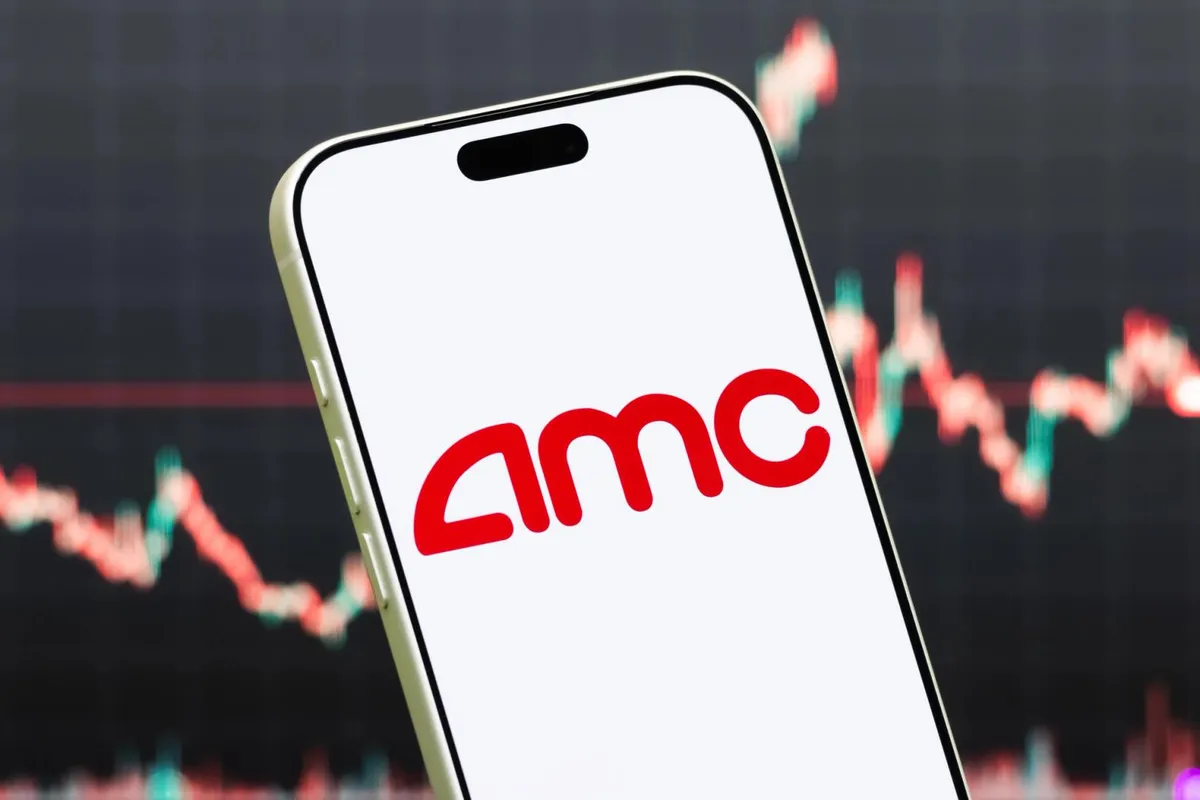
The ongoing debate surrounding Robinhood’s AMC token has intensified, centering on which tokenization model can be deemed legitimate. In a recent discussion, Bullish’s Tram Doman emphasized that the current landscape requires careful consideration of what must be true for any tokenization to function as a viable market. This conversation comes in the wake of increasing scrutiny from the SEC, which has established a clear boundary regarding the acceptable frameworks for tokenization in the financial ecosystem.
Historically, tokenization has promised to revolutionize the way assets are represented and traded. However, the emergence of various models has led to confusion and contention within the industry. The SEC's involvement adds another layer of complexity, as the agency aims to protect investors while ensuring innovation does not compromise regulatory compliance. Doman’s insights suggest that for tokenization to thrive, there must be clarity and consensus on its foundational principles.
This debate is particularly significant as it has implications for the broader market. If the SEC's stance effectively stifles innovative token models, it could hinder the growth of an emerging asset class that many believe has the potential to democratize finance. The discussions around Robinhood’s AMC token not only highlight the tension between innovation and regulation but also raise critical questions about the future of tokenization in various sectors.
Reactions from industry experts have been mixed, with some advocating for a more open approach to tokenization while others echo the SEC's caution. The conversation is evolving, with proponents of different token models urging for a collaborative effort to establish standards that satisfy regulatory requirements without stifering innovation. Doman’s perspective on the necessary truths for market viability underscores the urgency of finding common ground among stakeholders.
Looking ahead, the future of tokenization will likely hinge on the outcomes of these discussions. Stakeholders will need to engage in constructive dialogue to bridge the gap between regulatory frameworks and innovative practices. The hope is that through collaboration, a sustainable model for tokenization can emerge–one that satisfies regulatory bodies while fostering a vibrant market. The resolution of this debate could set important precedents for how assets are tokenized in the future.

CoinMagnetic Team
Crypto investors since 2017. We trade with our own money and test every exchange ourselves.
Updated: September 2026
From our insights:
Related news
Fed proposes reserve limits, capital standards for stablecoin issuers under GENIUS Act
Bullish, Alpaca and Apex Fintech form coalition to push issuer-backed tokenized stocks

Proposed class action claims OpenAI feeds ChatGPT chats to contractors

AI in Australia breaches nonpublic files while seeking spending data

SEC's Peirce urges end to KYC practices in final speech amid security concerns