The SEC looks at a 1990s fix for crypto markets to allow true “innovation pathway”
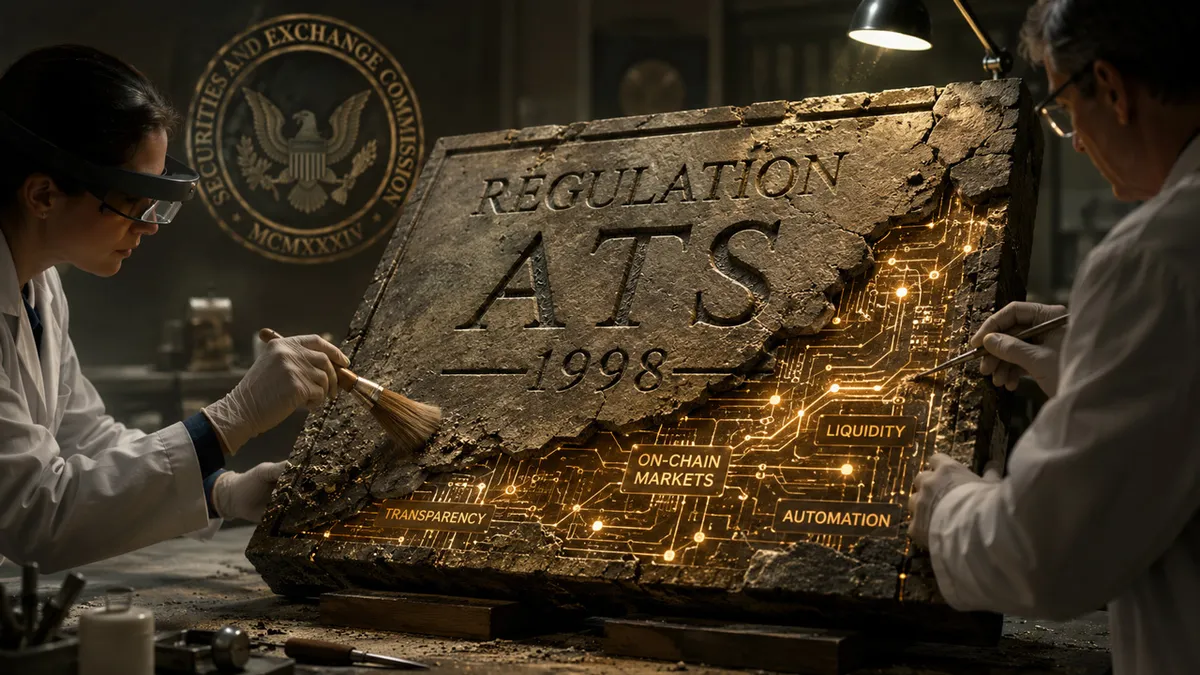
In a recent speech delivered on May 8, SEC Chair Paul Atkins revealed that the agency is contemplating the introduction of a limited “innovation pathway” aimed at facilitating on-chain trading systems. This initiative reflects a broader effort to adapt regulatory frameworks to accommodate the rapidly evolving landscape of cryptocurrency markets. Atkins indicated that this pathway would provide a structured environment for innovation while ensuring compliance with existing regulations. However, he also emphasized that the SEC would engage in formal notice-and-comment rulemaking to clarify how cryptocurrency platforms fit within the agency's definition of exchanges, a crucial step toward regulatory clarity.
To understand the significance of this proposal, it is essential to consider the historical context. During the 1990s, the advent of electronic trading platforms prompted the SEC to adapt its regulatory framework to accommodate new technologies while protecting investors. By drawing parallels between the challenges of that era and the current state of the cryptocurrency market, Atkins is suggesting that a similar approach could be effective today. The SEC's willingness to explore innovative regulatory solutions indicates a recognition of the unique characteristics of digital assets and their underlying technologies, which differ significantly from traditional financial instruments.
This potential shift in regulatory strategy could have profound implications for the cryptocurrency market. An “innovation pathway” would not only encourage the development of new technologies and services but also foster greater legitimacy and trust in the sector. By providing clear guidelines and a supportive framework for on-chain trading systems, the SEC could help alleviate some of the regulatory uncertainties that have plagued the crypto industry. This, in turn, may attract institutional investors who have been hesitant to enter the market due to concerns about compliance and regulatory risks.
Industry reactions to Atkins’ announcement have been mixed, with many experts expressing cautious optimism. Some industry leaders believe that this move could serve as a significant step toward establishing a more coherent regulatory environment, ultimately benefiting both businesses and consumers. Others, however, caution that without specific details on how the innovation pathway will function, there remains a risk of continued ambiguity. The need for clarity in the rulemaking process is paramount, as uncertainty can stifle innovation and deter investment.
Looking ahead, the SEC's next steps will be critical in shaping the future of cryptocurrency regulation. As the agency embarks on the rulemaking process, it will be essential to balance the need for innovation with the necessity of investor protection. The outcome of this initiative could set a precedent for how other regulatory bodies approach the fast-evolving digital asset landscape, potentially influencing global standards. As stakeholders closely monitor developments, the cryptocurrency community will be watching to see if the SEC can successfully navigate this delicate balancing act.

CoinMagnetic Team
Crypto investors since 2017. We trade with our own money and test every exchange ourselves.
Updated: May 2026
From our insights:
Related news

Stand With Crypto’s 4 million registered advocates couldn’t get the CLARITY Act through the Senate

Kakao Pay, KakaoBank to explore stablecoin opportunities with Fireblocks

US Attorney's investigation into Binance focuses on Iran sanctions compliance

ECB initiates wholesale digital euro for banks and tokenized bond purchases

X files lawsuit against two influencers over $278,000 payout scheme