SEC updates 50-year-old rules to allow public blockchains for stock ownership
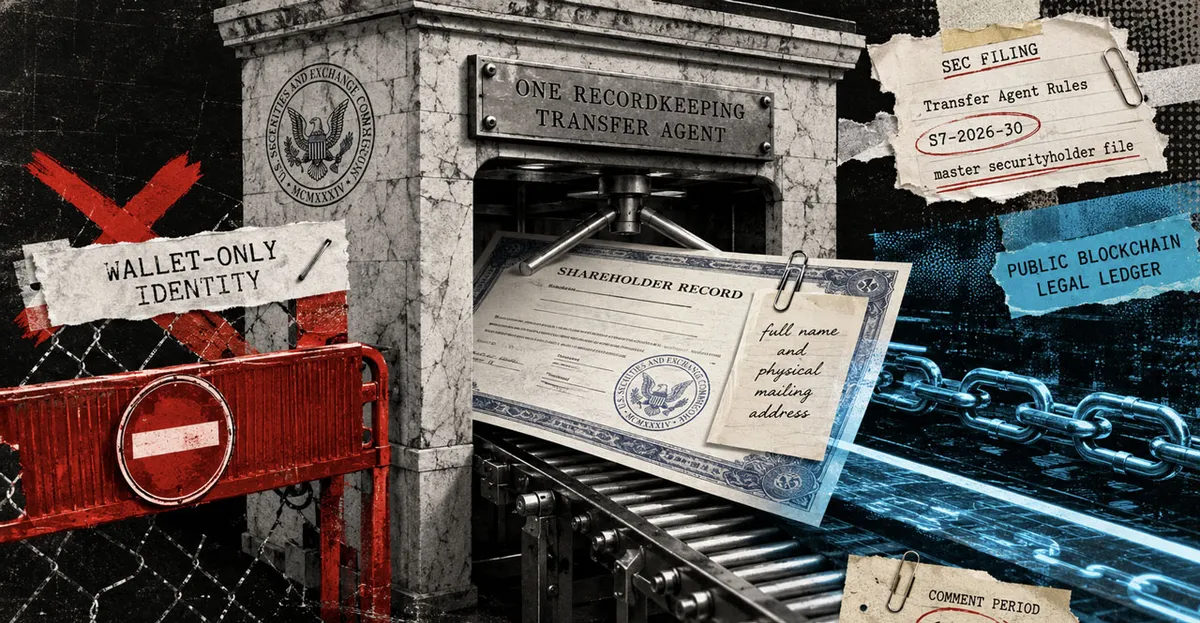
The SEC has announced a significant revision to its regulatory framework, aiming to integrate public blockchains into the stock ownership verification process. This marks a pivotal shift in how securities are managed and owned, as the new rules propose that public blockchains could determine legal ownership of stocks. Under the proposed guidelines, a single transfer agent would maintain control, while physical addresses would continue to be a requirement in the drafted rule, ensuring a link between blockchain transactions and traditional ownership records.
The backdrop to this development is a financial landscape that has long been resistant to technological advancements. For decades, Wall Street has operated under strict regulations that have not evolved alongside the rapid advancements in technology, particularly in the realm of blockchain. This move by the SEC signifies a recognition of the growing importance of digital assets and the need for regulatory frameworks that accommodate innovative technologies while still prioritizing investor protection and market integrity.
This change could have profound implications for the market, potentially streamlining the process of buying and selling shares. By leveraging public blockchains, the SEC's proposal could reduce settlement times and increase transparency in transactions. This could also lower costs associated with trading, making the stock market more accessible to a wider range of investors. For cryptocurrency advocates, this development represents a significant step toward mainstream acceptance of blockchain technology within traditional finance.
Industry reactions to the SEC's proposal have been mixed. While some experts applaud the initiative as a much-needed modernization of outdated regulations, others express concerns about the potential implications for security and privacy. The idea of a single transfer agent retaining control has raised eyebrows, with critics arguing that it could introduce new points of failure and centralization in a system that is designed to be decentralized. Others are optimistic, believing that this could pave the way for a more integrated financial ecosystem that embraces both traditional and digital assets.
Looking ahead, the next steps for the SEC will involve soliciting feedback from stakeholders and industry participants. As discussions unfold, there is likely to be intense scrutiny of the proposed regulations and their potential impact on market dynamics. The final rules could reshape the landscape of stock ownership as we know it, encouraging further innovation and adoption of blockchain technologies in the financial sector.

CoinMagnetic Team
Crypto investors since 2017. We trade with our own money and test every exchange ourselves.
Updated: September 2026
From our insights:
Related news
Goldman Sachs and Morgan Stanley view tokenization as growth opportunity

Polygon aims for payments sector dominance with Coinme acquisition

US bank deposit rate hikes could curb stablecoin expansion, BIS data shows
Crypto PACs escalate spending against Sherrod Brown in Ohio Senate race

Border payments via stablecoins cut traditional wire costs by 84 percent