The S&P 500 hitting another all-time high just exposed Bitcoin’s real problem
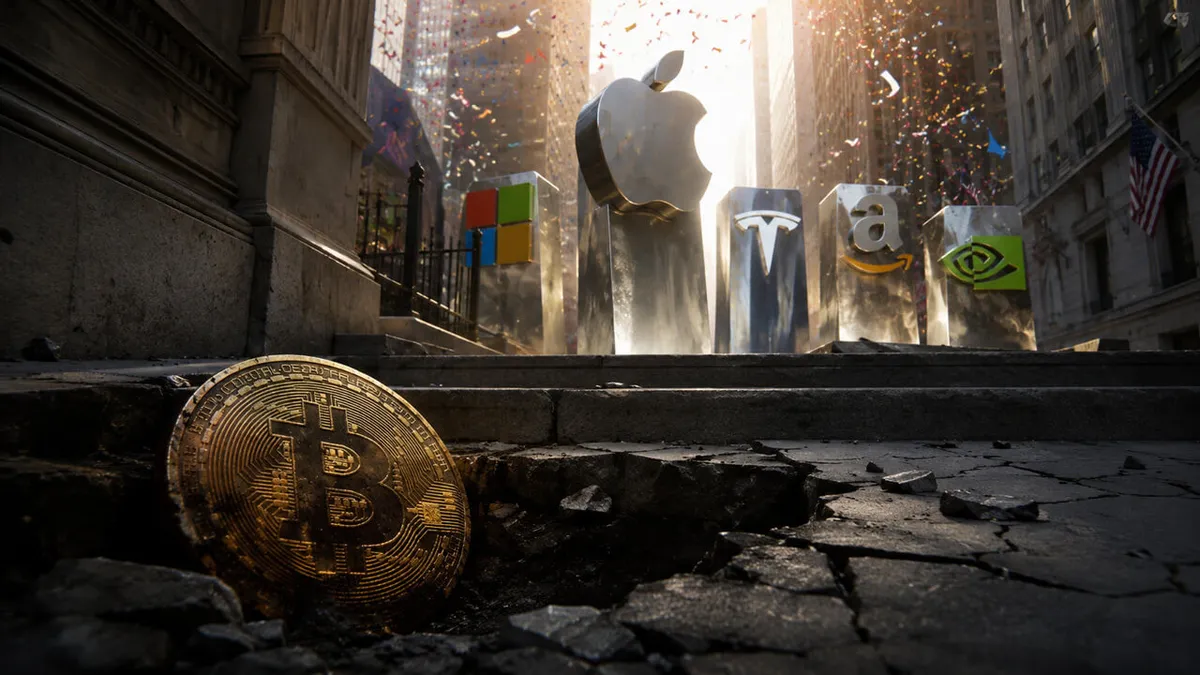
The recent performance of the S&P 500, which reached another all-time high, has brought Bitcoin’s vulnerabilities into sharper focus. As equities like Nvidia and the Magnificent Seven (Mag-7) continue to thrive, Bitcoin has struggled to maintain its momentum. On May 13, Bitcoin lost its critical support level of $80,000, with an intraday low recorded at $78,759.70. This divergence in performance has led to discussions about the nature of Bitcoin's correlation with traditional equity markets and its overall stability as an asset class.
To understand this situation, it is essential to consider the broader context of Bitcoin's role in the financial ecosystem. For a considerable time, traders have viewed Bitcoin as a high-beta asset–one that is expected to move in tandem with equities, particularly during bullish phases. This relationship has been fostered by a growing number of institutional investors entering the crypto space, increasing the perception of Bitcoin as a risk-on asset. However, the latest downturn raises questions about whether Bitcoin can maintain that status, especially when compared to the strong performance of traditional assets.
This divergence in performance matters significantly for the market for several reasons. First, it challenges the narrative that Bitcoin is a reliable hedge against inflation or economic uncertainty, which many investors have historically believed. If Bitcoin cannot keep pace with rising equities, it may lose favor among risk-averse investors looking for stability. Additionally, this situation could prompt a reevaluation of investment strategies across the board, as traders might reconsider their exposure to Bitcoin in light of its recent weaknesses.
Industry reactions to Bitcoin's performance have been mixed. Some analysts argue that the cryptocurrency's recent struggles highlight underlying weaknesses in its market structure and liquidity. Others suggest that the disconnect between Bitcoin and the S&P 500 could be a temporary phenomenon, driven by external factors such as regulatory concerns or macroeconomic events. Moreover, some experts believe that this may present a buying opportunity for long-term investors who see value in Bitcoin's fundamentals, despite its short-term volatility.
Looking ahead, the trajectory of Bitcoin will likely depend on several factors, including macroeconomic indicators, regulatory developments, and overall market sentiment. As we continue to monitor these dynamics, it will be crucial for investors to assess how Bitcoin can adapt to the evolving landscape. The cryptocurrency market is known for its resilience, but whether Bitcoin can reclaim its previous highs and restore confidence among investors remains to be seen. The coming weeks and months will be pivotal in determining its path forward.

CoinMagnetic Team
Crypto investors since 2017. We trade with our own money and test every exchange ourselves.
Updated: May 2026
From our insights:
Related news

GameStop possibly forfeits $31 million in Bitcoin gains from options trade

Researchers trace 1.1 million Bitcoin to early miner but Satoshi's identity remains unclear

Bitcoin, ether perpetual volumes on Kalshi are dominated by an unusual, repetitive trade, data shows

Moscow Exchange introduces 5 crypto perpetual futures amid 600 billion ruble demand

SoFi begins stablecoin settlement on Mastercard network for program expected to exceed $25 billion in annualized volume