The real reason DeFi projects that survived 2022 crash are shutting down now

Recent reports indicate that several decentralized finance (DeFi) projects, which managed to weather the tumultuous events of 2022–including the collapses of Terra and FTX–are now shutting down in 2026. This trend has raised eyebrows among industry observers, as it diverges from the expected narrative of consolidation in a maturing market. Analysts are pointing out that the reasons behind these closures are multifaceted, with many projects struggling to maintain sustainable operations in a challenging economic environment.
To understand this phenomenon, we need to look back at the DeFi landscape post-2022. The fallout from high-profile failures led to increased scrutiny and regulatory pressure on the sector. Many projects adapted and survived by pivoting their strategies or improving their security measures. However, the market has since evolved, and surviving such a crisis did not guarantee long-term viability. As the DeFi space matured, projects that had previously attracted significant attention and funding are now facing diminishing user engagement, increasing competition, and the inability to innovate rapidly enough to keep up with market demands.
The implications of these closures are significant for the overall DeFi market. They suggest that the landscape is not merely consolidating around successful projects but rather experiencing a wave of attrition. This could indicate that many projects were built on shaky foundations, unable to adapt to the evolving demands of users and regulators. The exit of these projects may, paradoxically, create opportunities for stronger, more resilient projects to thrive and capture market share. However, it also raises concerns about investor confidence and the potential for further instability in the DeFi sector.
Industry reactions have been mixed. Some experts express concern that this wave of project shutdowns could deter new entrants and investments in the DeFi space, as it highlights the risks associated with the sector. Others argue that this is a natural part of the market's maturation process and that the surviving projects will ultimately be stronger for it. They believe that the remaining players will have learned valuable lessons from the failures around them and will be better positioned to innovate and serve their users.
Looking ahead, the future of DeFi remains uncertain but potentially promising for those who can adapt. As the industry continues to evolve, there may be a shift towards more robust governance structures, greater emphasis on compliance, and a focus on building long-term user trust. For the projects that remain, the challenge will be to learn from the past while navigating an increasingly complex regulatory landscape, ensuring they can sustain operations and foster growth in a competitive environment.

CoinMagnetic Team
Crypto investors since 2017. We trade with our own money and test every exchange ourselves.
Updated: July 2026
From our insights:
Related news

Ethereum developers patch Glamsterdam bug to secure staking deposits

Mizuho warns autonomous AI tools could cost Circle up to 20 percent of its revenue
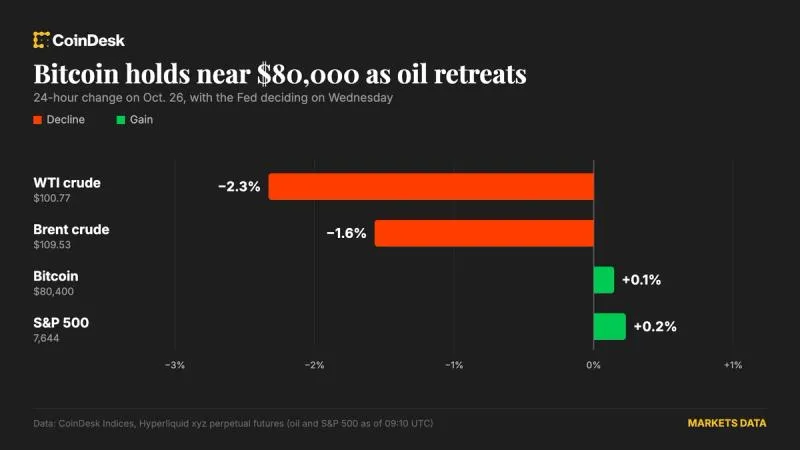
Federal Reserve rate decision on Wednesday keeps bitcoin steady around $80,400

Heatbit integrates 20 mining chips into an $899 water heater element

Lionel Messi chess advertisement featuring ChatGPT sparks viral debate over AI board setup and opening moves