The quantum clock is ticking: it's Bitcoin's problem, not Ethereum's

A recent research note from Citi analysts has underscored the looming threat posed by quantum computing to Bitcoin, raising alarms for institutional holders. The report highlights that Bitcoin's foundational cryptographic principles could come under siege from advanced quantum computers, potentially rendering current security measures obsolete. The analysts assert that as quantum technology progresses, it may only take a sufficiently powerful quantum computer to break Bitcoin's encryption, thereby jeopardizing the integrity of the entire network. This development compels a reassessment of risk for institutional investors who have integrated Bitcoin into their portfolios.
To understand the severity of this situation, we must delve into the specifics of Bitcoin's cryptography. Bitcoin relies on public-key cryptography, which is currently secure against classical computing threats but vulnerable to quantum algorithms like Shor's algorithm. This risk extends beyond Bitcoin to other cryptocurrencies, but the report emphasizes that Bitcoin's larger market capitalization and widespread adoption make it particularly susceptible to the disruptive potential of quantum technology. In contrast, Ethereum and other blockchain networks have already begun exploring quantum-resistant solutions, which positions them slightly ahead in the race against potential quantum threats.
The implications of this analysis for the cryptocurrency market are significant. Institutional investors, who have recently started to embrace Bitcoin as a hedge against inflation and a store of value, may now reconsider their positions. If the threat of quantum computing becomes a reality, it could lead to a loss of confidence in Bitcoin's long-term viability, resulting in price volatility and market fluctuations. Furthermore, this could accelerate the shift towards cryptocurrencies that are proactively addressing quantum risks, potentially reshaping market dynamics.
Industry experts have begun to weigh in on the findings. Many are echoing the sentiment that the Bitcoin community must prioritize the development of quantum-resistant technologies. Some leading figures in the blockchain space argue that a coordinated effort is essential to develop and implement solutions that could mitigate quantum risks. They advocate for increased research funding and collaboration among developers to ensure that Bitcoin can adapt to these emerging technological challenges. This sentiment reflects a growing awareness within the industry that proactive measures will be crucial in maintaining trust and security in the years to come.
Looking ahead, the conversation surrounding quantum threats to Bitcoin is likely to intensify. As quantum computing technology matures, we can expect to see more research and discussions focused on how to enhance Bitcoin’s security infrastructure. Moreover, it may prompt a broader examination of the cryptocurrency ecosystem, leading to innovations that could redefine security standards. Stakeholders in the crypto space must stay informed and engaged, as the evolution of quantum technology could fundamentally alter the landscape of digital assets.

CoinMagnetic Team
Crypto investors since 2017. We trade with our own money and test every exchange ourselves.
Updated: June 2026
From our insights:
Related news

Bitcoin's weekly close above $81,000 signals potential rise to $90,000

Elon Musk's X integrates bitcoin trading options for U.S. users
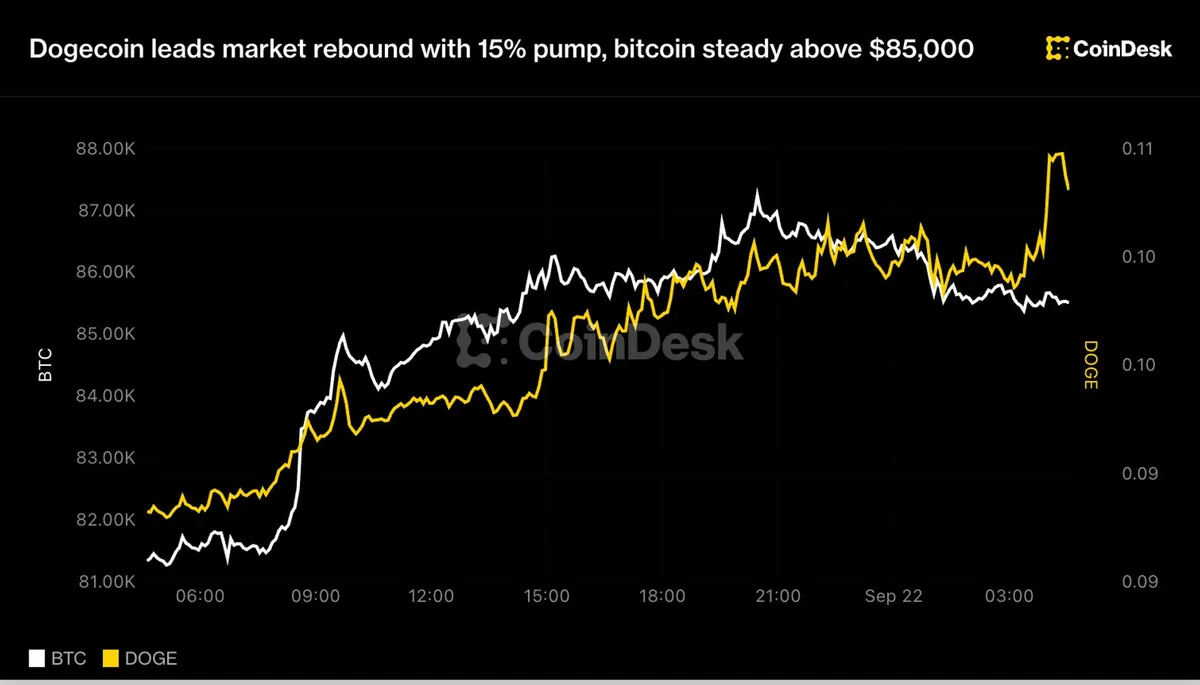
Dogecoin's 15% surge drives market recovery as bitcoin stabilizes above $85,000

Cardano adds tools for AI agent payments, joining Solana and XRP Ledger

Trueo prediction market moves from Base to Ethereum