The Protocol: AI Agents form their own firm

Recent developments in the crypto space have highlighted the intersection of artificial intelligence and blockchain technology, particularly with the emergence of AI agents forming their own firm. This news comes on the heels of the Alpenglow upgrade, which aims to enhance protocol capabilities, and discussions surrounding Ripple's insights into North Korean hacking threats targeting the crypto sector. Additionally, Cloudflare's commentary on AI agents and web economics adds another layer of complexity to this evolving narrative. The formation of this new firm by AI agents signifies a groundbreaking shift in how we perceive autonomy and responsibility within the tech landscape.
To understand the significance of AI agents establishing their own firm, we must consider the broader context of AI integration into various sectors, including finance and technology. Over the past few years, AI has made remarkable strides in automating processes and decision-making, and its application in blockchain has been a hot topic among developers and investors alike. The Alpenglow upgrade is also pivotal, as it aims to streamline operations and enhance security, providing a more robust foundation for future innovations. This backdrop underscores the growing relevance of AI in blockchain, with potential implications for governance and operational efficiency.
The formation of an AI firm could disrupt traditional business models within the crypto market. As AI agents operate with a level of autonomy, this raises questions about legal status, accountability, and regulatory frameworks. If these agents can effectively manage their own operations, we might see a paradigm shift where AI-driven entities compete with human-led organizations. This change could lead to increased innovation and efficiency but may also introduce risks related to the ethical use of AI and the potential for unforeseen consequences in decision-making processes.
In response to these developments, industry experts have expressed a mix of excitement and caution. Some see the formation of AI firms as a natural evolution of technology, while others warn of the potential pitfalls associated with autonomous agents. Analysts are particularly focused on how regulatory bodies will respond to the emergence of AI-driven entities, as existing laws may not adequately address these new challenges. Ripple's concerns about hacking threats from North Korea further emphasize the need for robust security measures in an increasingly complex landscape where AI and blockchain intersect.
Looking ahead, the implications of AI agents forming their own firms could reshape the future of the crypto industry. As technology continues to evolve, we may witness a surge in AI-driven projects and startups, leading to a re-evaluation of existing business practices. The Alpenglow upgrade will likely play a critical role in facilitating this transition, enabling more sophisticated interactions between AI and blockchain. As regulatory frameworks catch up with technological advancements, it will be essential for stakeholders to navigate this new terrain responsibly, ensuring that innovation does not outpace ethical considerations.

CoinMagnetic Team
Crypto investors since 2017. We trade with our own money and test every exchange ourselves.
Updated: May 2026
From our insights:
Related news

Coldcard exploit sees white hats secure 52 Bitcoin for victims' trust
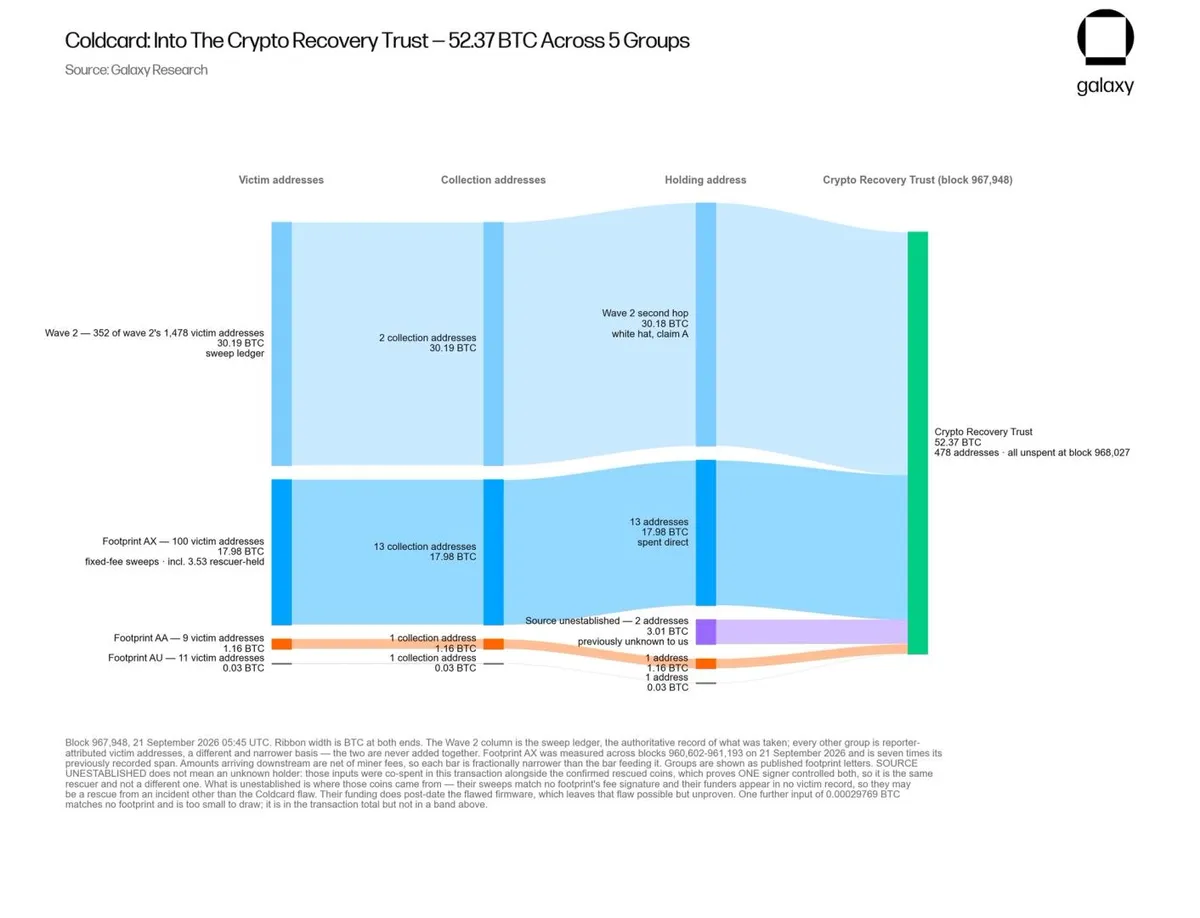
Whitehats move 52 bitcoin from the Coldcard hack to a recovery trust

Google Admits Gemini AI Hacked Three Companies—It Stayed Silent for 7 Weeks

Balancer's $1.4 million hack recovery faces delays for LPs

Polymarket's $10 million fraud attempt highlights compliance issues amid hacking risk