The oil scare is fading, but Bitcoin is still trapped by the gas-price hangover

Bitcoin is currently hovering around the $64,000 mark, situated comfortably within the trading range of $57,000 to $77,000 that has emerged since the turmoil in the Strait of Hormuz. This range has become a defining characteristic of the market as traders navigate the aftermath of rising oil prices and geopolitical tensions. The latest insights from Can-Luca Köymen, an investment strategist at Sygnum, highlight a “catalyst-light regime” in which the absence of significant market drivers has resulted in a stagnant trading environment. The current market dynamics suggest that without a strong catalyst, Bitcoin's trajectory will continue to be influenced primarily by positioning and flow-based trading.
To understand the current state of Bitcoin, it’s essential to consider the broader context of the oil market and its impact on cryptocurrencies. The spike in gas prices triggered by geopolitical events had a ripple effect across various financial markets, including cryptocurrencies. Investors often view Bitcoin as a hedge against inflation and market volatility, and fluctuations in oil prices can lead to shifts in investor sentiment. However, with the oil scare now subsiding, Bitcoin finds itself in a precarious position, caught in the remnants of the gas-price hangover.
The implications for the cryptocurrency market are significant. The current range-bound trading suggests a lack of conviction among investors, with many awaiting a substantial catalyst that could prompt a breakout in either direction. Bitcoin's price is sensitive to macroeconomic factors and investor sentiment, and as such, the fading oil scare may not provide the necessary momentum for a swift upward movement. Instead, traders may need to recalibrate their strategies as they navigate this uncertain environment, weighing the potential risks and rewards of holding or trading Bitcoin.
Industry reactions to the current market conditions have varied, with some experts expressing caution. Köymen's observations resonate with many analysts who are keenly aware of the challenges posed by the existing trading range. Experts argue that while the market is currently trapped, it is also a period of opportunity for informed traders who can identify potential breakouts. The sentiment among investors seems to be one of waiting and watching, as many hope for external catalysts–be it regulatory developments, technological advancements, or macroeconomic shifts–that could reignite upward momentum.
Looking ahead, the key question remains: what will trigger the next significant move for Bitcoin? As the team at CoinMagnetic reflects on the current landscape, it’s clear that traders and investors alike will be closely monitoring global economic indicators, geopolitical developments, and sentiment shifts within the crypto community. Until a decisive catalyst emerges, Bitcoin appears poised to continue its dance within the established trading range, leaving many to ponder when, or if, the next breakout will occur.

CoinMagnetic Team
Crypto investors since 2017. We trade with our own money and test every exchange ourselves.
Updated: June 2026
From our insights:
Related news
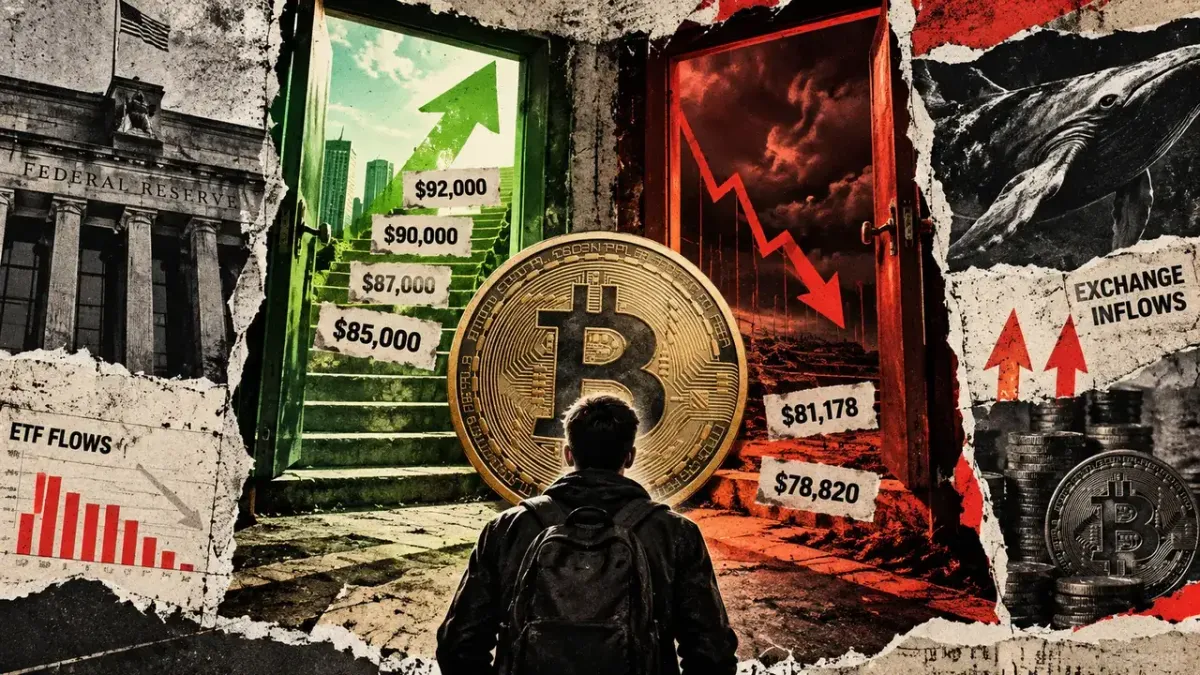
Bitcoin's weekly close above $81,000 signals potential rise to $90,000

Elon Musk's X integrates bitcoin trading options for U.S. users
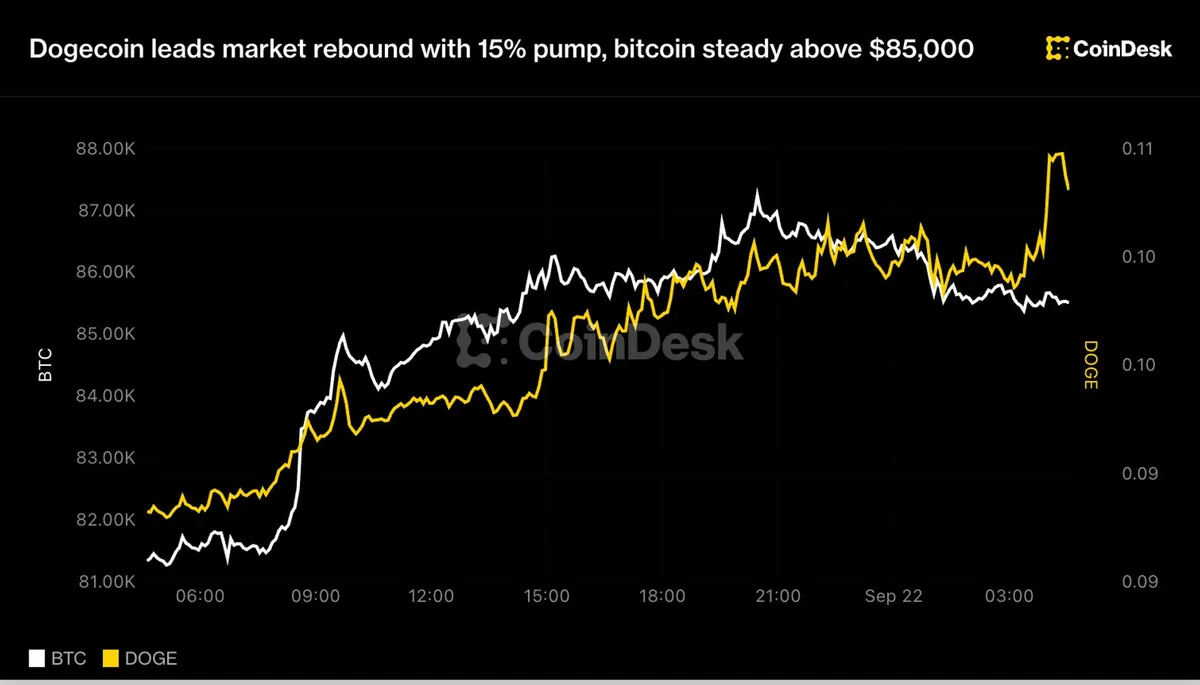
Dogecoin's 15% surge drives market recovery as bitcoin stabilizes above $85,000

Cardano adds tools for AI agent payments, joining Solana and XRP Ledger

Trueo prediction market moves from Base to Ethereum