Tokenized US Treasury funds reach $16 billion, signaling utility phase
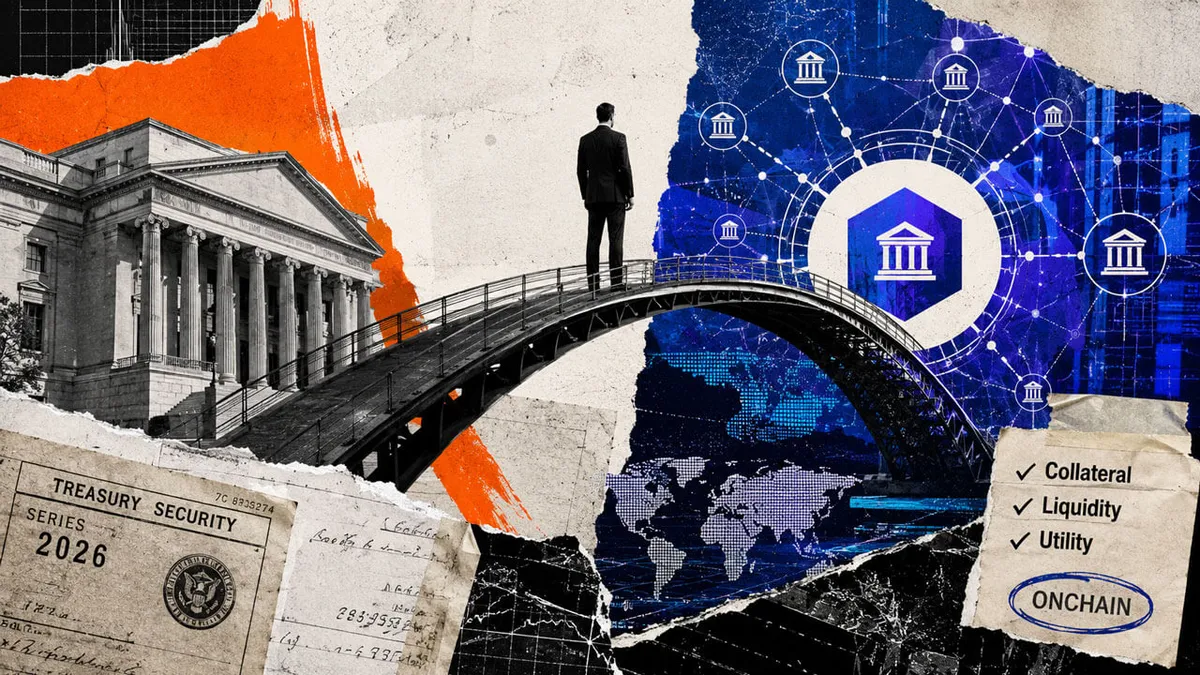
Tokenized funds have evolved from being mere novelties in the financial landscape to becoming integral components of modern investment strategies. Recently, tokenized US Treasury funds have gained significant traction, currently boasting an impressive value of around $16 billion. This surge has been accompanied by participation from major players in the traditional asset management sector, indicating a growing acceptance and reliance on tokenization as a viable investment vehicle. The concept of issuance has largely been resolved, allowing for smoother operations in this emerging field.
The background of tokenization dates back several years when cryptocurrencies first introduced the idea of digitizing assets for easier transfer and ownership representation. Initially, the focus was on creating a market for digital currencies, but as the technology matured, it became apparent that tokenization could extend beyond cryptocurrencies. Now, tokenized assets encompass various financial instruments, including real estate, art, and, notably, government securities like US Treasury funds. This transition emphasizes a shift towards a more integrated and digitized financial ecosystem.
The significance of this development for the market cannot be overstated. With $16 billion in tokenized US Treasury funds, we are witnessing a clear validation of the utility of tokenization in traditional finance. This not only enhances liquidity but also broadens access for retail investors who may have previously been excluded from such investments. Moreover, this trend may prompt traditional financial institutions to further explore and invest in blockchain technology, potentially leading to increased innovation and competition in the sector.
Industry reactions have been largely positive, with experts lauding the progress made in the tokenization space. Vincent Maliepaard, VP of Marketing at Sentora, argues that the next phase of tokenization hinges on utility, rather than novelty. This perspective suggests that the future of tokenization will focus on practical applications that enhance investment efficiency and accessibility. Many financial analysts believe that as more traditional assets become tokenized, we may see a shift in how investments are managed, leading to greater transparency and lower costs for investors.
As we look ahead, the trajectory of tokenization appears promising. With established players in traditional finance embracing the technology, we can expect further advancements in the utility of tokenized assets. Regulatory clarity and increased adoption will likely drive the next wave of growth in this space, ultimately reshaping the future of investment as we know it. Investors and financial institutions must stay attuned to these developments to capitalize on emerging opportunities.

CoinMagnetic Team
Crypto investors since 2017. We trade with our own money and test every exchange ourselves.
Updated: August 2026
From our insights:
Related news

Bitcoin ETFs experience $485 million outflow, reversing October gains
Ripple's $1.25 billion Hidden Road acquisition enhances stock trading leverage

Moody's assigns Sky Protocol a B3 rating amid rising USDS interest

GSR allocates $100 million to vault business focusing on onchain credit
Bitcoin struggles to recover below $84,000 as support levels shift