The next currency crisis could turn $300 billion in stablecoins into national currencies
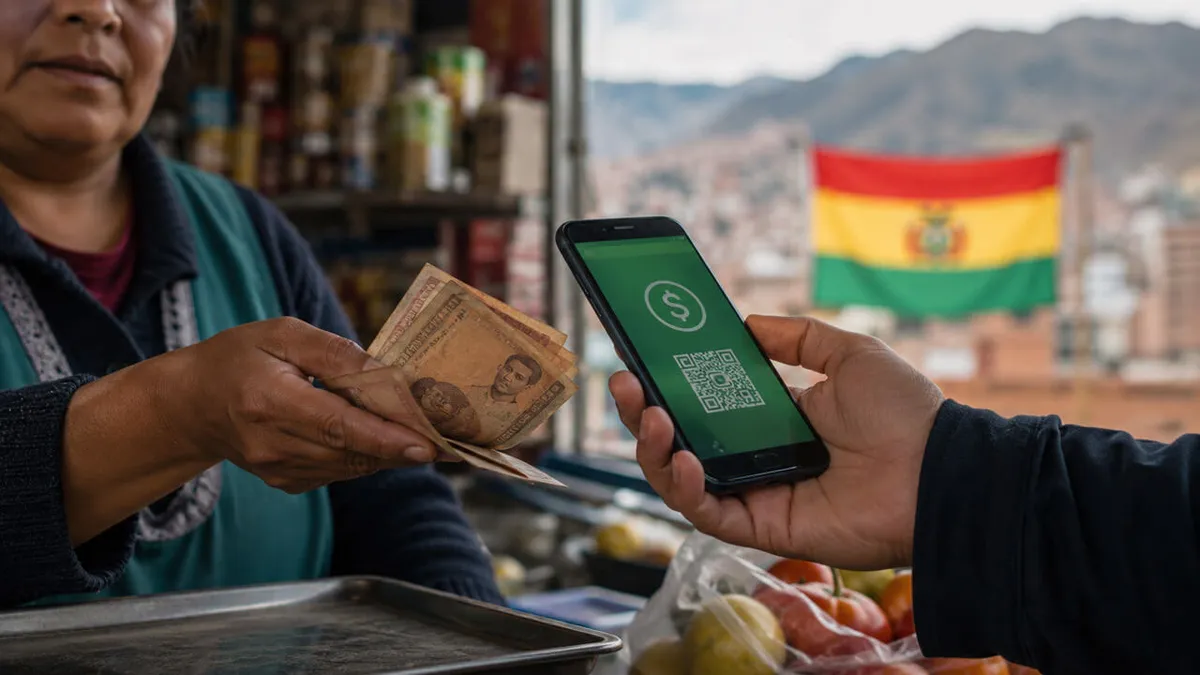
Bolivia's government is currently considering a significant shift in its monetary policy by potentially including USDT, a popular stablecoin, into its regulated payment system alongside the boliviano and the US dollar. Reports from local media suggest that this move could formally integrate cryptoassets into the nation's financial framework, which until now has seen cryptocurrencies authorized but without legal-tender status. The country's finance minister noted that the existing situation resembles a lifted prohibition lacking a coherent regulatory structure, indicating a growing recognition of the need for clarity in managing digital currencies.
This development comes at a time when many nations are grappling with the implications of cryptocurrency in their economies. Bolivia has historically maintained a cautious stance toward digital currencies, but the increasing adoption of stablecoins globally has compelled regulators to reevaluate their positions. The finance minister's comments reflect a broader trend where governments are seeking to embrace digital assets, particularly stablecoins, which are pegged to traditional currencies and offer a semblance of stability in the volatile crypto market.
The implications of such a move are profound for the market. If Bolivia proceeds with including USDT in its payment system, it could pave the way for a new era of digital currency acceptance at a national level. This decision could potentially unlock access to approximately $300 billion in stablecoin liquidity, altering the dynamics of how these assets are perceived and utilized in everyday transactions. Additionally, it could inspire other countries facing economic instability to consider similar measures, leveraging stablecoins to enhance their monetary systems.
Industry reactions have been largely positive, with experts noting that this could serve as a model for other nations to follow. Enthusiasts argue that integrating stablecoins into formal payment systems can enhance financial inclusion, especially in regions where traditional banking services are limited. Conversely, some skeptics express concerns about the regulatory challenges and potential risks associated with such a move, particularly regarding consumer protection and financial stability.
Looking ahead, Bolivia's decision could be a bellwether for how countries navigate the intersection of digital assets and national currencies. If the government moves forward with this initiative, we may see a ripple effect across Latin America and beyond, as other nations weigh the benefits and challenges of adopting stablecoins in their financial systems. As regulatory frameworks evolve, the global landscape of cryptocurrency could undergo significant transformation, with stablecoins potentially gaining a foothold as legitimate national currencies in the years to come.

CoinMagnetic Team
Crypto investors since 2017. We trade with our own money and test every exchange ourselves.
Updated: July 2026
From our insights:
Related news

Standard Chartered brings RLUSD custody to Dubai with LMAX collateral integration

Defunct exchange FTX turns its 20 percent Genesis Digital Assets stake toward AI
Meta's Muse Wonder surpasses GPT-6 Astra in key AI tests but ranks below Opus 5.5
StoneX lifts Securitize target to $18 on Solana tokenized stocks

Bermuda tokenized catastrophe bond aims to close disaster insurance gap