The “never sell” Bitcoin treasury trade is seriously starting to crack

Recent statements from Strategy CEO Phong Le mark a significant shift in the “never sell” Bitcoin treasury strategy that many cryptocurrency firms have adopted over the years. During the company's May 5 earnings call, Le mentioned that they would consider selling Bitcoin when it is advantageous for the company. This was underscored by co-founder Michael Saylor's assertion that they might sell some Bitcoin to fund dividends, a move that could potentially stabilize market volatility. As of May 3, Strategy held 818,334 BTC, reflecting a year-to-date increase of 22%. This announcement raises questions about the long-term viability of the HODL strategy that many firms have embraced.
The concept of never selling Bitcoin became popular during previous bullish cycles when many companies began accumulating significant amounts of the cryptocurrency as a hedge against inflation and a store of value. This approach was largely driven by the belief that Bitcoin would continue to appreciate over time. However, as market conditions change and the dynamics of cryptocurrency investments evolve, companies are beginning to reconsider their strategies. With increasing competition, regulatory pressures, and market volatility, firms are now facing tough decisions about the best course of action for their Bitcoin holdings.
The implications of this shift could be profound for the cryptocurrency market. If more companies begin to sell portions of their Bitcoin reserves, it could lead to increased selling pressure, thereby affecting prices. Additionally, the willingness to sell may signal a broader acceptance of Bitcoin as a liquid asset, rather than just a long-term store of value. This could potentially lead to more institutional involvement, as companies look to capitalize on price movements rather than strictly holding assets.
Industry experts have expressed mixed reactions to this development. Some view it as a pragmatic approach in a rapidly evolving market landscape, arguing that flexibility can be beneficial for companies navigating uncertainties. Others caution that selling Bitcoin might undermine the long-term narrative of Bitcoin as a scarce and valuable asset, potentially dampening enthusiasm among retail investors. The sentiment reflects a growing recognition that the crypto market is not only influenced by technological advancements but also by strategic business decisions from major players.
Looking ahead, it remains to be seen how this shift will play out in the broader context of the cryptocurrency market. Will other companies follow Strategy's lead and adjust their treasury strategies? Or will they stick to the traditional HODL philosophy? As the market continues to mature, we expect to see more companies reevaluating their positions, which could lead to an interesting period of transition for Bitcoin and its associated investment strategies.

CoinMagnetic Team
Crypto investors since 2017. We trade with our own money and test every exchange ourselves.
Updated: May 2026
From our insights:
Related news

Bitcoin's weekly close above $81,000 signals potential rise to $90,000

Elon Musk's X integrates bitcoin trading options for U.S. users
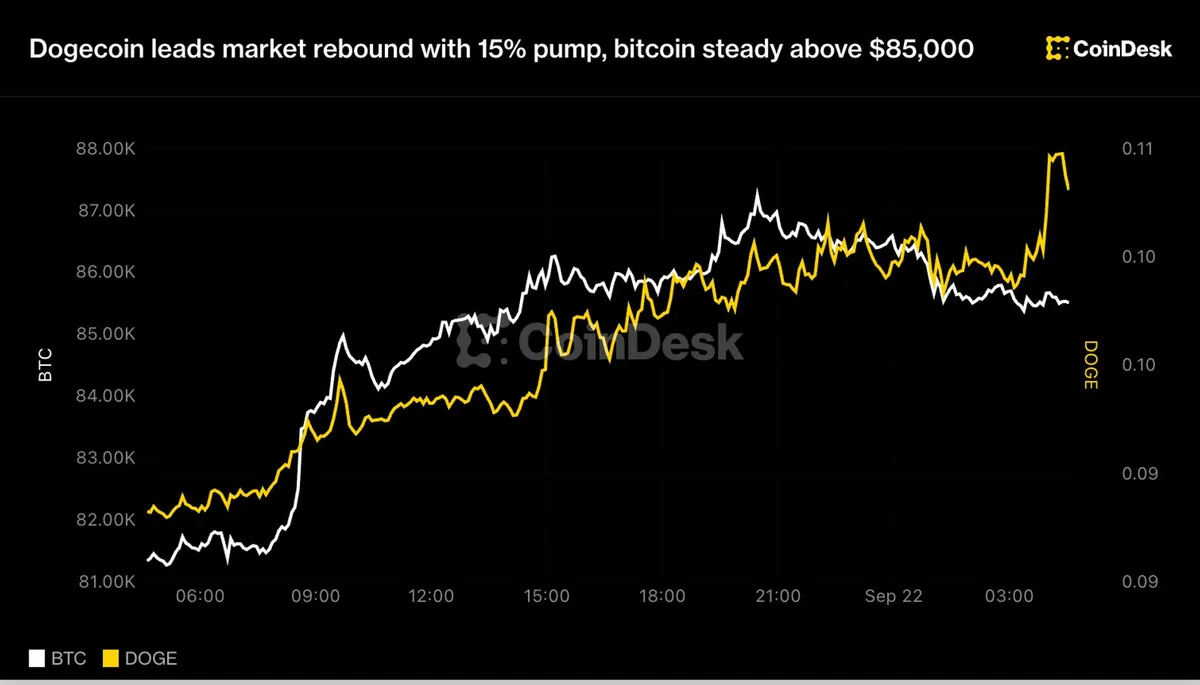
Dogecoin's 15% surge drives market recovery as bitcoin stabilizes above $85,000

Cardano adds tools for AI agent payments, joining Solana and XRP Ledger

Trueo prediction market moves from Base to Ethereum