The legal risks and practical considerations of digital asset blacklisting

Recent discussions surrounding the blacklisting of digital assets have brought to light significant legal risks and practical considerations for holders. As regulatory scrutiny intensifies, various jurisdictions are increasingly taking steps to freeze or blacklist certain digital assets. This development can leave investors scrambling, as they may find themselves suddenly deprived of access to their legitimate holdings. Understanding the implications of these actions is crucial for anyone involved in the cryptocurrency space, as it could directly impact not only individual portfolios but also the broader market landscape.
Historically, blacklisting in the financial context has been associated with efforts to prevent money laundering, fraud, and other illicit activities. With the rise of cryptocurrencies, regulators have aimed to apply similar measures to digital assets, citing concerns over their use in illegal transactions. This regulatory environment creates a complex backdrop for crypto holders, who must navigate both the technical and legal aspects of asset ownership. The distinction between legitimate and illegitimate assets can sometimes become blurred, leading to unintended consequences for those who have acted in good faith.
The importance of this issue cannot be overstated. As the market matures, the potential for regulatory crackdowns grows, leading to increased volatility and uncertainty. Investors are now faced with the reality that their assets could be rendered inaccessible overnight due to decisions made by regulatory bodies. This uncertainty can hamper investment strategies and lead to a more cautious approach among traders and institutional investors alike. In a market that thrives on confidence and accessibility, blacklisting could have far-reaching effects, including diminished liquidity and increased risk perception.
Industry experts have expressed a range of opinions on the implications of blacklisting. Some argue that it is a necessary step toward establishing legitimacy and trust in the cryptocurrency ecosystem, while others view it as an overreach that could stifle innovation and participation. The consensus seems to be that clearer guidelines and more transparent processes are needed to protect legitimate users while still addressing the risks posed by bad actors. The ongoing dialogue among stakeholders, including exchanges, regulators, and the crypto community, will be pivotal in shaping the future of asset management in this space.
Looking ahead, the situation is likely to evolve as regulatory frameworks are developed and refined. Stakeholders must stay informed about potential changes and adapt their strategies accordingly. As more jurisdictions implement their own rules regarding digital asset blacklisting, the landscape will continue to shift, necessitating vigilance and proactive measures from investors. For those engaged in the digital asset market, understanding the legal ramifications and implementing best practices for asset management will be critical to safeguarding their holdings in an increasingly complex environment.

CoinMagnetic Team
Crypto investors since 2017. We trade with our own money and test every exchange ourselves.
Updated: May 2026
From our insights:
Related news
Crypto firms put $206 million behind the midterms: here’s who their political machine is backing
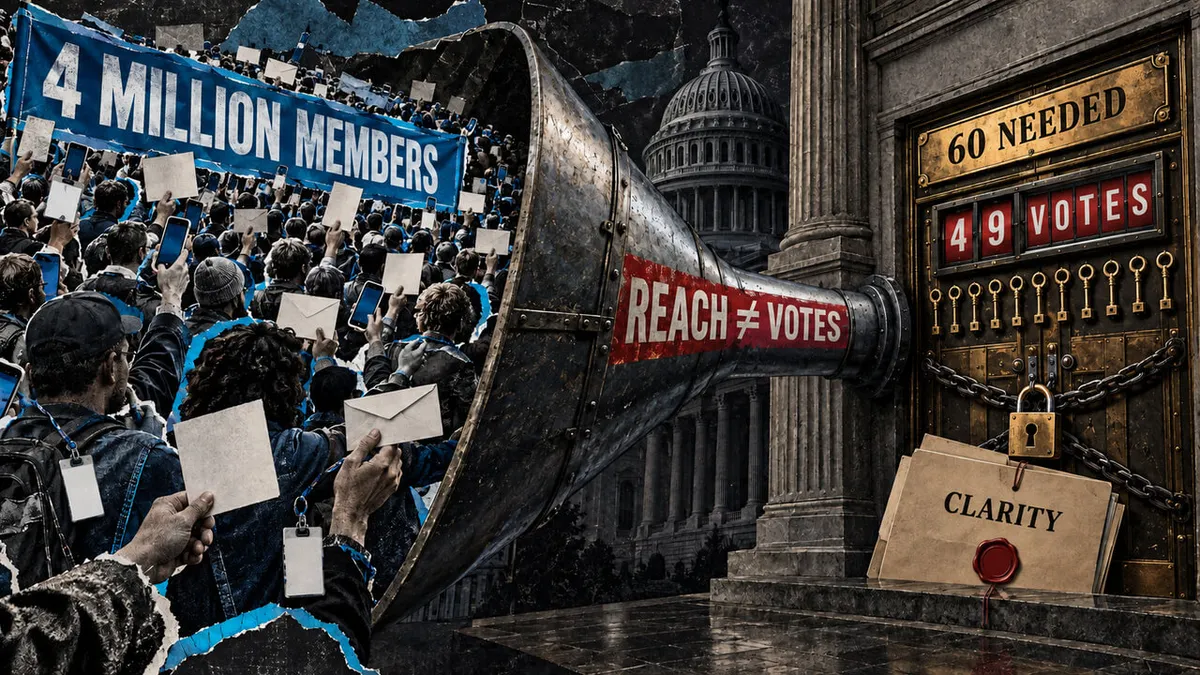
Stand With Crypto’s 4 million registered advocates couldn’t get the CLARITY Act through the Senate

Kakao Pay, KakaoBank to explore stablecoin opportunities with Fireblocks

US Attorney's investigation into Binance focuses on Iran sanctions compliance
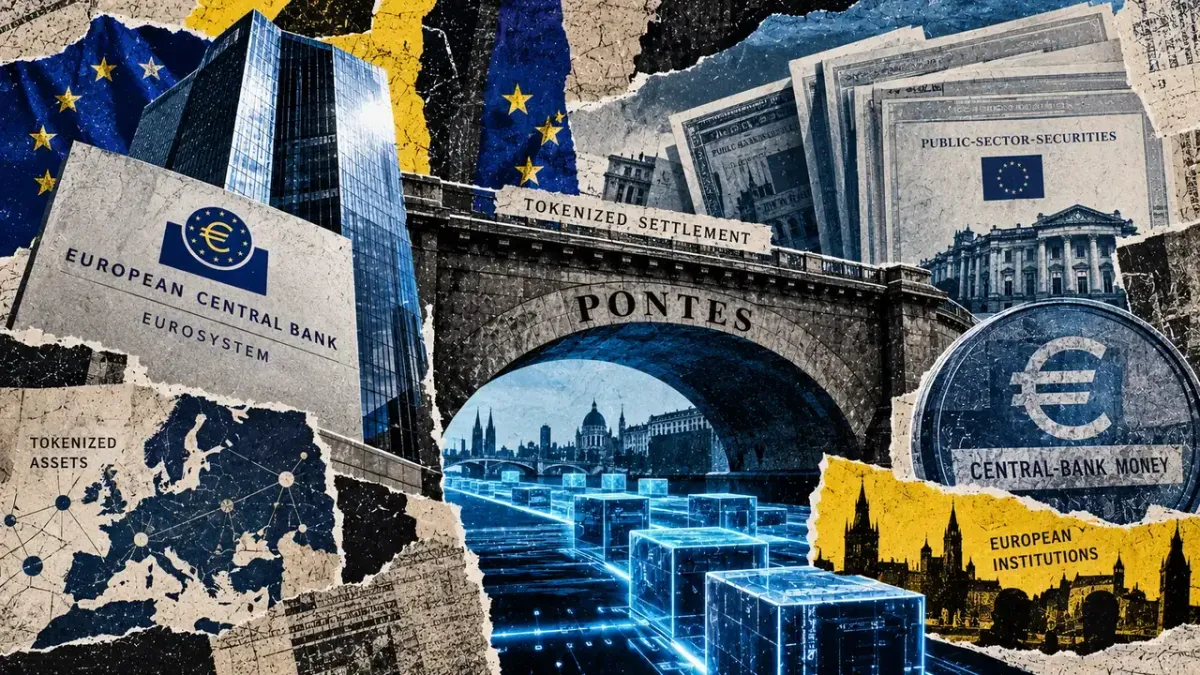
ECB initiates wholesale digital euro for banks and tokenized bond purchases