The inflation scenario that could send bitcoin tumbling below $60,000

Recent analyses suggest that an evolving inflation scenario could lead to significant volatility in the cryptocurrency market, particularly affecting Bitcoin's value. As inflation rates continue to fluctuate, uncertainty surrounding monetary policy adjustments could create downward pressure on Bitcoin, potentially driving its price below the critical $60,000 threshold. Market observers are closely monitoring economic indicators, including consumer price index data and Federal Reserve statements, as these factors may influence investor sentiment and market dynamics in the coming weeks.
The backdrop of this situation is shaped by a combination of global economic pressures and shifts in monetary policy. Over the last few years, inflation has become a key concern for central banks worldwide, prompting aggressive interest rate hikes in various regions. These measures, aimed at curbing inflation, could inadvertently dampen investor enthusiasm for riskier assets like cryptocurrencies. Historically, Bitcoin has been viewed as a hedge against inflation, but if inflation figures continue to rise unexpectedly, it may trigger a reevaluation of this narrative among investors.
The implications for the market are profound. Should Bitcoin dip below the $60,000 mark, it could signal a broader sell-off in the cryptocurrency space, affecting altcoins and other digital assets as well. A sustained decline in Bitcoin's price might also lead to increased regulatory scrutiny and a shift in institutional investment strategies. Investors may begin to question their positions in Bitcoin, leading to further market instability as fear and uncertainty take hold.
Industry experts have expressed mixed views on the potential fallout from these inflationary pressures. Some analysts argue that Bitcoin's fundamentals remain strong, highlighting its scarcity and growing adoption, which could support its value even in challenging economic conditions. Others caution that a sustained inflation environment combined with rising interest rates could lead to a risk-off sentiment among investors, prompting them to move away from cryptocurrencies in favor of more traditional asset classes.
Looking ahead, market participants are advised to remain vigilant as economic indicators unfold. The Federal Reserve's upcoming decisions and the broader economic climate will play crucial roles in shaping the trajectory of Bitcoin and the cryptocurrency market as a whole. As we move forward, the interplay between inflation, monetary policy, and investor sentiment will be key in determining whether Bitcoin can maintain its position above $60,000 or if it will succumb to the pressures of a shifting economic landscape.

CoinMagnetic Team
Crypto investors since 2017. We trade with our own money and test every exchange ourselves.
Updated: June 2026
From our insights:
Related news
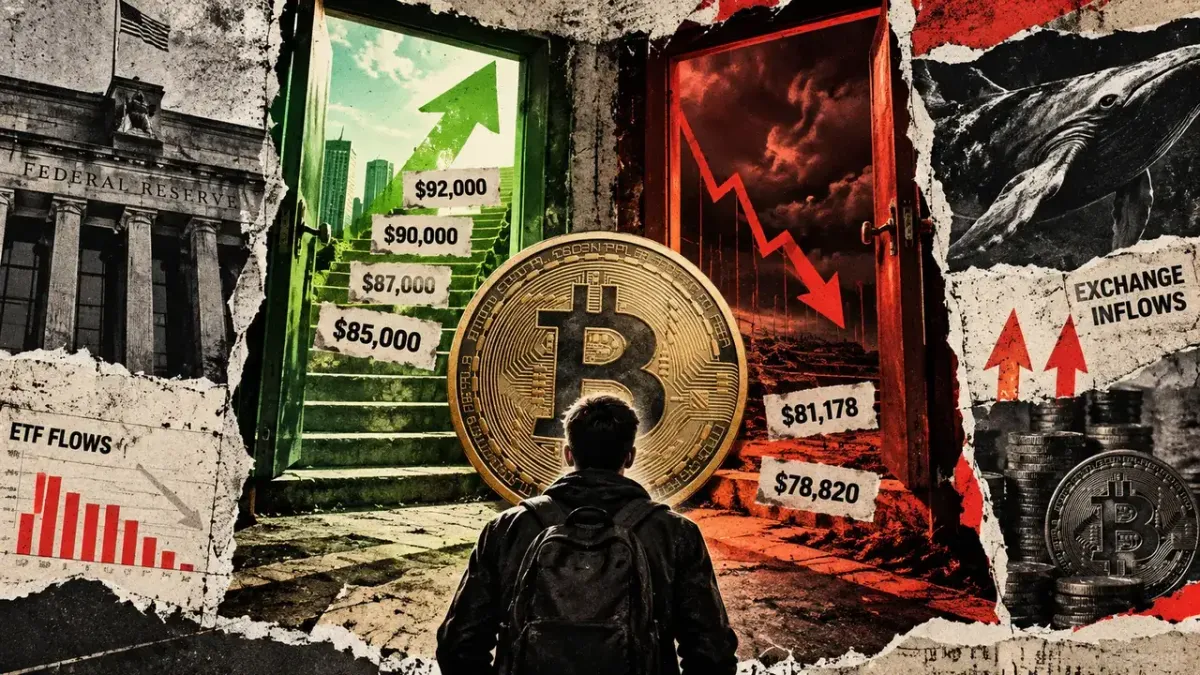
Bitcoin's weekly close above $81,000 signals potential rise to $90,000

Elon Musk's X integrates bitcoin trading options for U.S. users
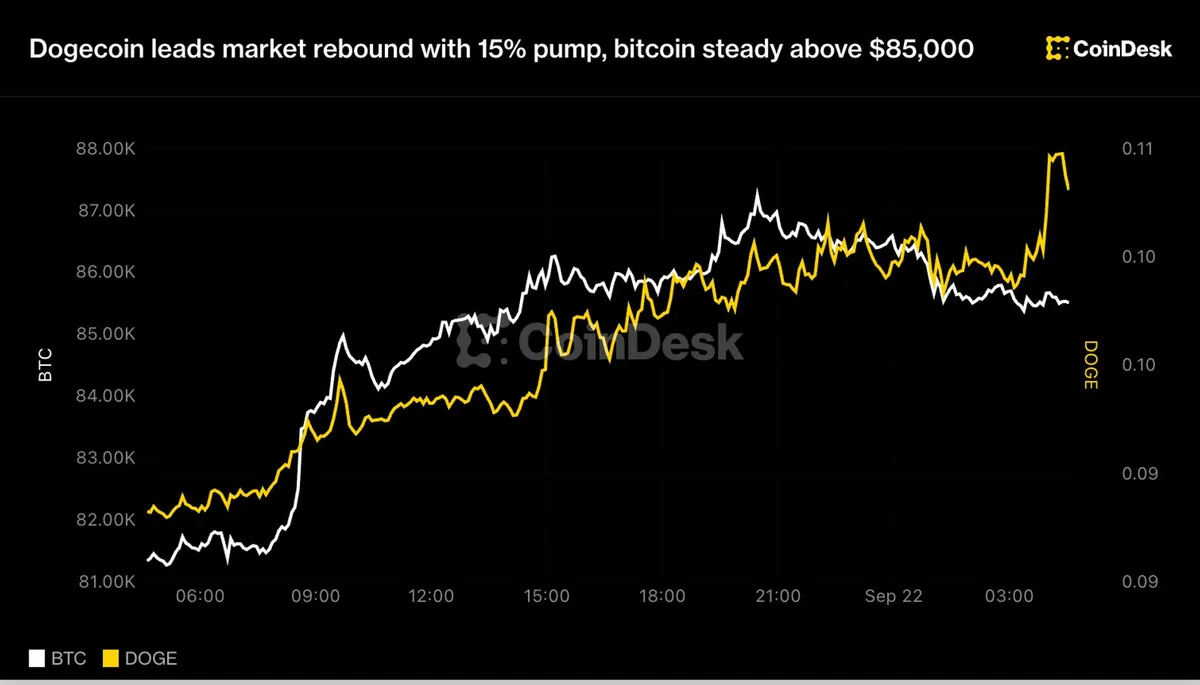
Dogecoin's 15% surge drives market recovery as bitcoin stabilizes above $85,000

Cardano adds tools for AI agent payments, joining Solana and XRP Ledger

Trueo prediction market moves from Base to Ethereum