The Incentive Dynamic Engine: io.net’s Shift to Sustainable Tokenomics

In a significant development for decentralized physical infrastructure networks (DePINs), io.net has unveiled its new Incentive Dynamic Engine, designed to shift its tokenomics toward a more sustainable model. This innovative approach aims to align user incentives with the long-term health of the ecosystem, addressing some of the growing concerns surrounding token value volatility and resource allocation within the DePIN space. By focusing on community-driven participation, io.net hopes to foster a more resilient and efficient infrastructure that can adapt to the evolving needs of its users.
DePINs have gained traction in recent years as they offer a unique way to scale physical infrastructure by leveraging blockchain technology. These networks enable communities to collectively manage resources such as computing power and storage, providing essential services that would otherwise be controlled by centralized entities. However, as the popularity of DePINs has surged, so too have challenges related to their tokenomics. Many existing models have struggled to maintain stability and sustainability, leading to calls for a reevaluation of incentive structures and governance mechanisms within these networks.
The introduction of io.net’s Incentive Dynamic Engine is a pivotal moment for the DePIN landscape, as it could set a precedent for how tokenomics can be restructured to create more stable and sustainable ecosystems. By prioritizing long-term user engagement and resource efficiency, this new model could help to mitigate some of the risks associated with token price fluctuations and incentivize participants to contribute positively to the network. If successful, this shift could influence other DePIN projects to adopt similar strategies, potentially leading to a more robust and reliable marketplace for decentralized infrastructure services.
Industry experts have reacted positively to the announcement, highlighting the potential for io.net's approach to reshape the tokenomics of DePINs. Some analysts believe that by addressing the alignment of incentives and community needs, io.net could foster a more collaborative environment where users are motivated to participate for the long haul. This could mark a turning point for the DePIN sector, as it navigates the complexities of balancing growth with sustainability. Additionally, thought leaders within the blockchain community are advocating for more projects to adopt similar frameworks, emphasizing the importance of considering both economic and social factors in the evolution of decentralized networks.
Looking ahead, the success of io.net’s Incentive Dynamic Engine will likely serve as a benchmark for future developments in DePIN tokenomics. As the ecosystem matures, we may see more projects experimenting with innovative economic models that prioritize community engagement and resource efficiency. The ongoing evolution of DePINs will be closely monitored, as the industry's ability to adapt to these challenges will ultimately determine the viability of decentralized infrastructure in the long term.

CoinMagnetic Team
Crypto investors since 2017. We trade with our own money and test every exchange ourselves.
Updated: June 2026
From our insights:
Related news

ZetaChain votes to shut down Layer 1 network and move ZETA to Solana

Solana reduces block times by 17% with latest upgrade, boosting transaction freshness

Optimism secures upgrade for Superchain to enable interoperability

Solana boosts transaction size by 3x amid surge in network activity
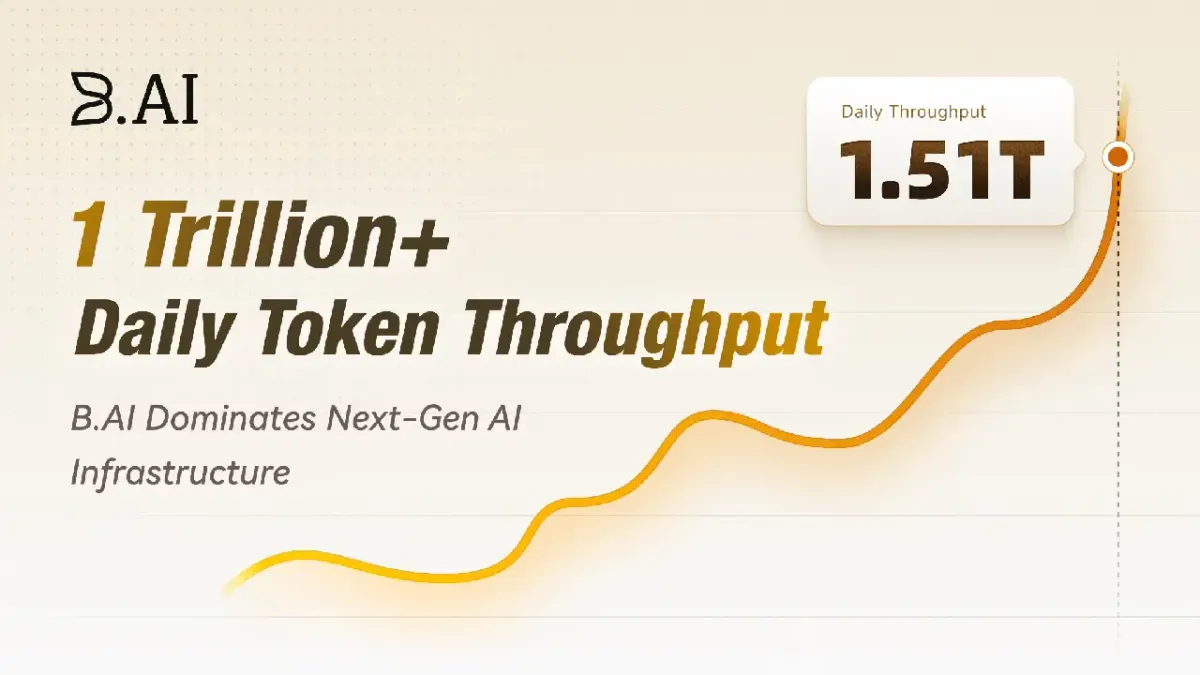
B.AI achieves record 1.51 trillion tokens daily throughput for AI infrastructure