GrapheneOS user faces five years as suspected terrorist over wiped phone
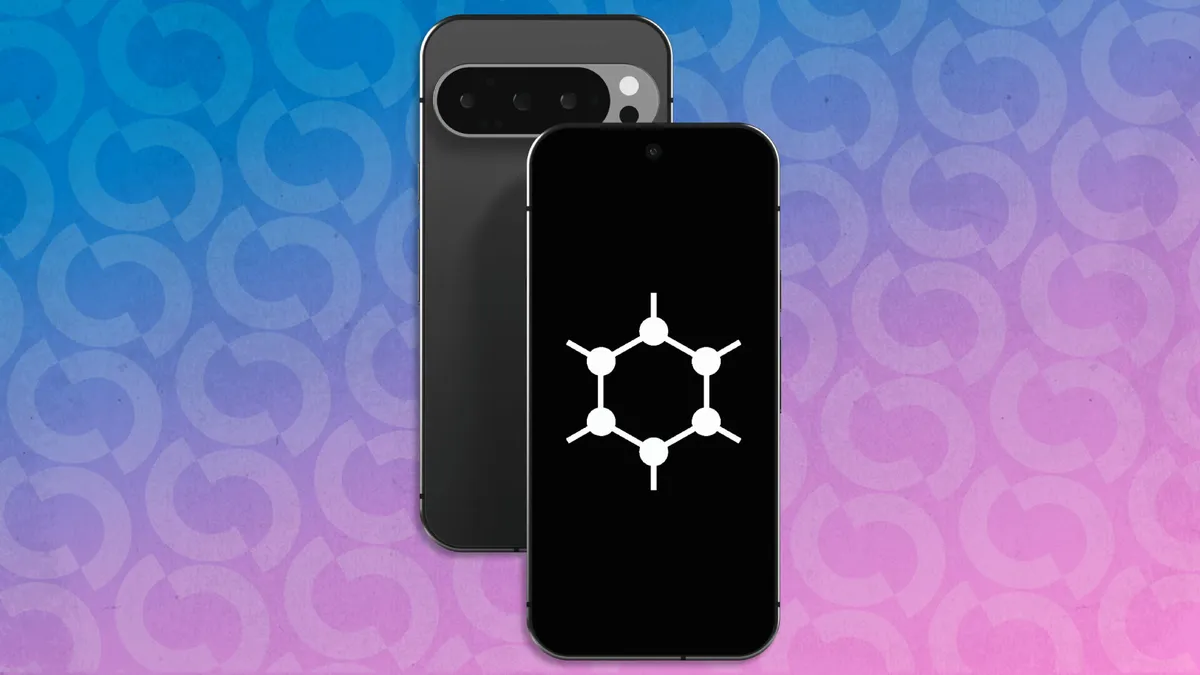
Samuel Tunick, a user of the privacy-focused GrapheneOS, is currently embroiled in a legal battle that could see him facing up to five years in prison. The case stems from allegations that he wiped his phone before a flight, which led authorities to label him as a suspected terrorist and place him on a watch list without his knowledge. Tunick asserts that the government has no rightful claim over personal data and that his actions were merely an effort to protect his privacy in an increasingly surveilled world.
The incident raises significant concerns about privacy rights and government overreach. Tunick's decision to use GrapheneOS is rooted in a desire for enhanced security, particularly in a time when digital data is often exploited by both corporations and governments. Historically, privacy advocates have argued for stronger protections against unwarranted surveillance, highlighting the balance between national security interests and individual rights. Tunick's case exemplifies the tension between personal privacy and state surveillance, as he claims that the government’s actions are an infringement on his civil liberties.
This case has broader implications for the market, particularly in the realm of privacy-focused technologies. As more individuals become aware of their digital footprints and the potential consequences of state surveillance, demand for privacy-centric solutions like GrapheneOS may increase. Investors and developers in the tech sector are likely to keep a close eye on this case, as its outcome could influence regulatory landscapes and spur innovation in privacy technologies.
The industry reaction has been mixed, with many privacy advocates rallying behind Tunick, viewing his situation as a cautionary tale about the risks associated with data management and privacy. Experts in privacy law have commented on the alarming precedent this case could set, emphasizing the need for clearer regulations regarding personal data rights. In contrast, some government officials maintain that these measures are necessary for national security, arguing that the scrutiny of individuals in such cases is justified.
Looking ahead, the outcome of Tunick's case could have significant ramifications not only for him but for the larger conversation around digital privacy rights. If the court rules in favor of the government, it may embolden further surveillance tactics, while a ruling in favor of Tunick could pave the way for stronger protections against unwarranted scrutiny. As this case unfolds, it will likely become a focal point in discussions surrounding privacy and data ownership.

CoinMagnetic Team
Crypto investors since 2017. We trade with our own money and test every exchange ourselves.
Updated: August 2026
From our insights:
Related news

Kalshi reviews three Trump press secretary bets totaling 173 dollars ahead of official news
French committee adopts stablecoin swap and exit taxes before rejecting budget
CFTC seeks to classify event contracts as swaps amid ongoing legal battles
OpenAI and Anthropic war-game AI cyberattacks to prepare rapid congressional briefings

Blockchain.com applies for US licenses to launch event contracts and futures