The good and the bad of perps, according to crypto traders

Recently, the crypto trading landscape has seen a significant focus on perpetual swaps, or “perps,” as both retail and institutional traders express their concerns regarding the funding rates associated with these instruments. Perpetual contracts have gained immense popularity due to their unique structure, allowing traders to hold positions indefinitely without the need for expiration dates. However, the funding rate, which is the periodic payment made between long and short positions, can create volatility and uncertainty, leading to mixed feelings among market participants.
To understand the implications of funding rates, it is essential to consider the mechanics of perpetual contracts. Unlike traditional futures, which settle at a specific date, perpetual contracts allow traders to speculate on price movements without the pressure of expiration. The funding rate mechanism is designed to keep the price of the perpetual contract in line with the underlying asset. When the funding rate is positive, long positions pay short positions, and vice versa. However, when these rates become extreme, they can lead to significant market fluctuations, causing traders to reevaluate their strategies and risk exposure.
The concern surrounding funding rates is crucial for the market because they can influence trader behavior and overall market sentiment. High funding rates can deter traders from taking long positions, while negative rates may encourage short selling. This dynamic can lead to increased market volatility, as traders react to shifting funding rates and adjust their positions accordingly. Moreover, as more traders enter the perpetual market, understanding the implications of funding rates becomes increasingly important for maintaining a balanced and sustainable trading environment.
Industry experts have weighed in on the growing apprehensions surrounding funding rates. Many traders emphasize the need for transparent and predictable funding mechanisms to foster a more stable trading environment. Some analysts suggest that exchanges should implement measures to mitigate extreme fluctuations in funding rates, thereby reducing the impact on trader sentiment. Others argue that traders must develop a deeper understanding of how funding rates work and incorporate this knowledge into their overall trading strategies to navigate the complexities of the perpetual market effectively.
Looking ahead, it will be intriguing to see how exchanges and traders adapt to the evolving landscape of perpetual contracts and funding rates. As the crypto market continues to mature, it is likely that new solutions and strategies will emerge to address these concerns. Ongoing discussions among market participants and industry leaders may lead to innovations that enhance the trading experience while minimizing risks associated with funding rates. Whether through improved transparency or new financial products, the developments in this area will undoubtedly play a significant role in shaping the future of crypto trading.

CoinMagnetic Team
Crypto investors since 2017. We trade with our own money and test every exchange ourselves.
Updated: July 2026
From our insights:
Related news
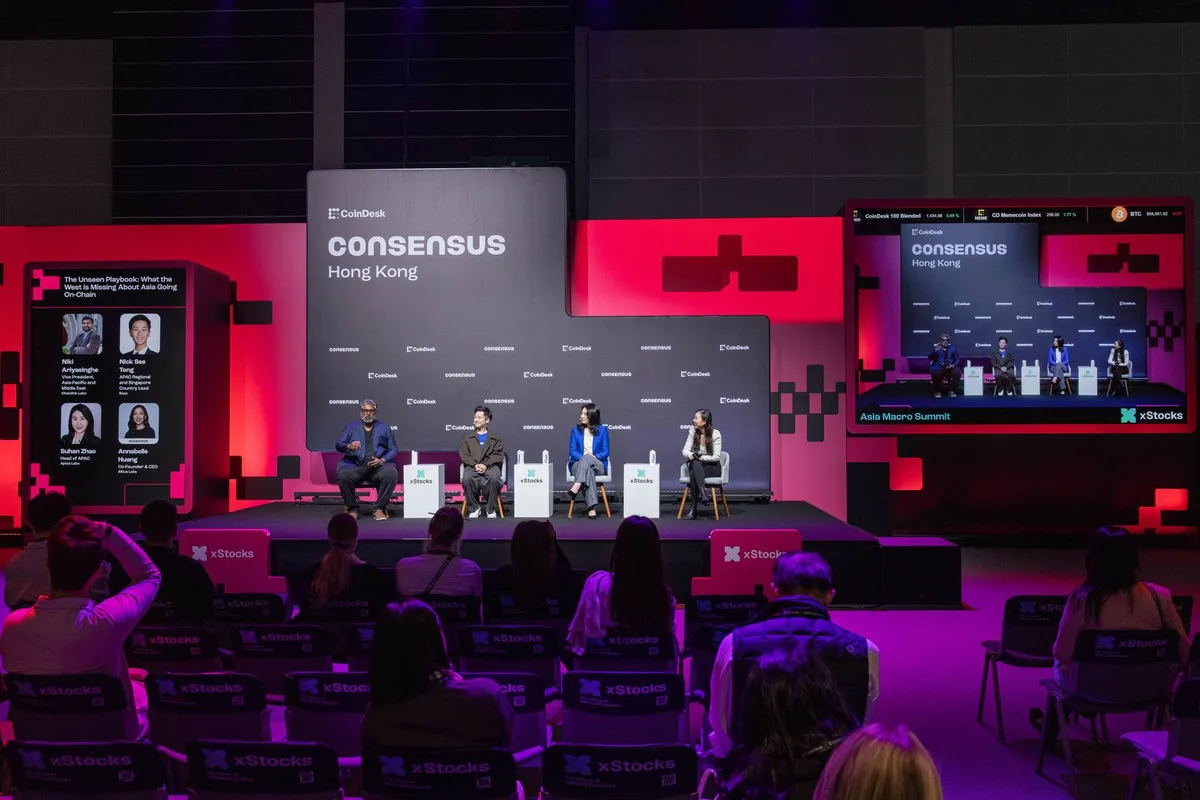
Consensus Hong Kong to emphasize AI's role in digital asset adoption
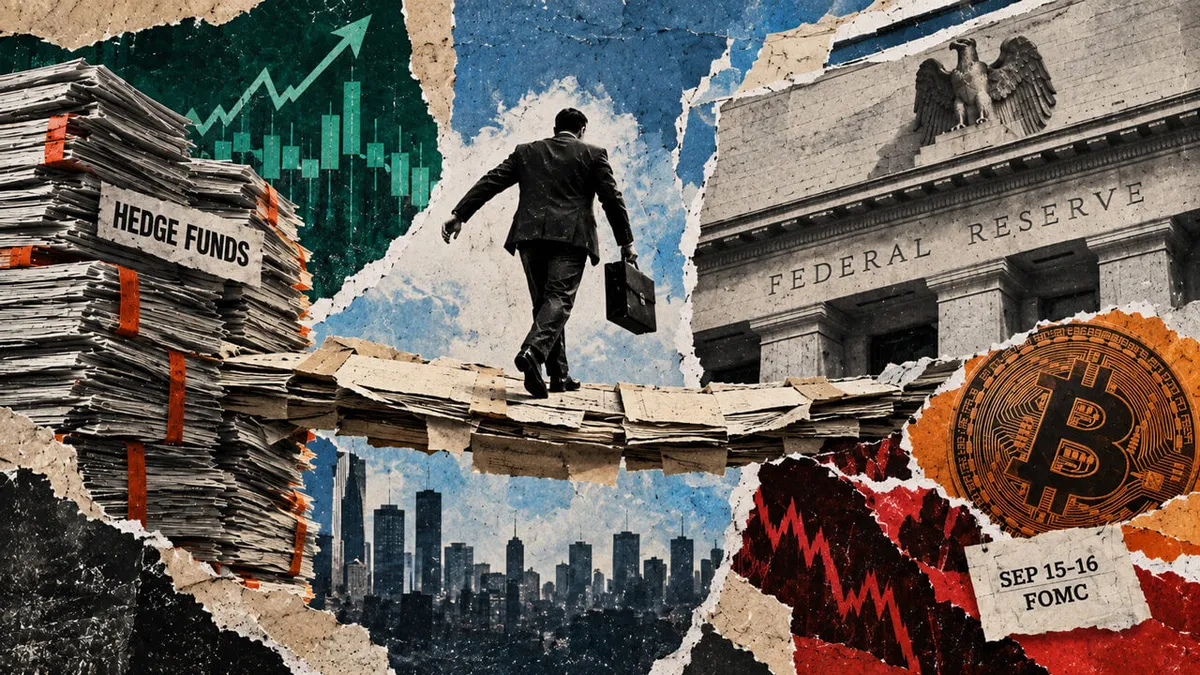
Hedge funds boosted positions by $400 billion ahead of Bitcoin's rate test

Dogecoin ETF BWOW to close after 10 months amid weak demand for DOGE funds
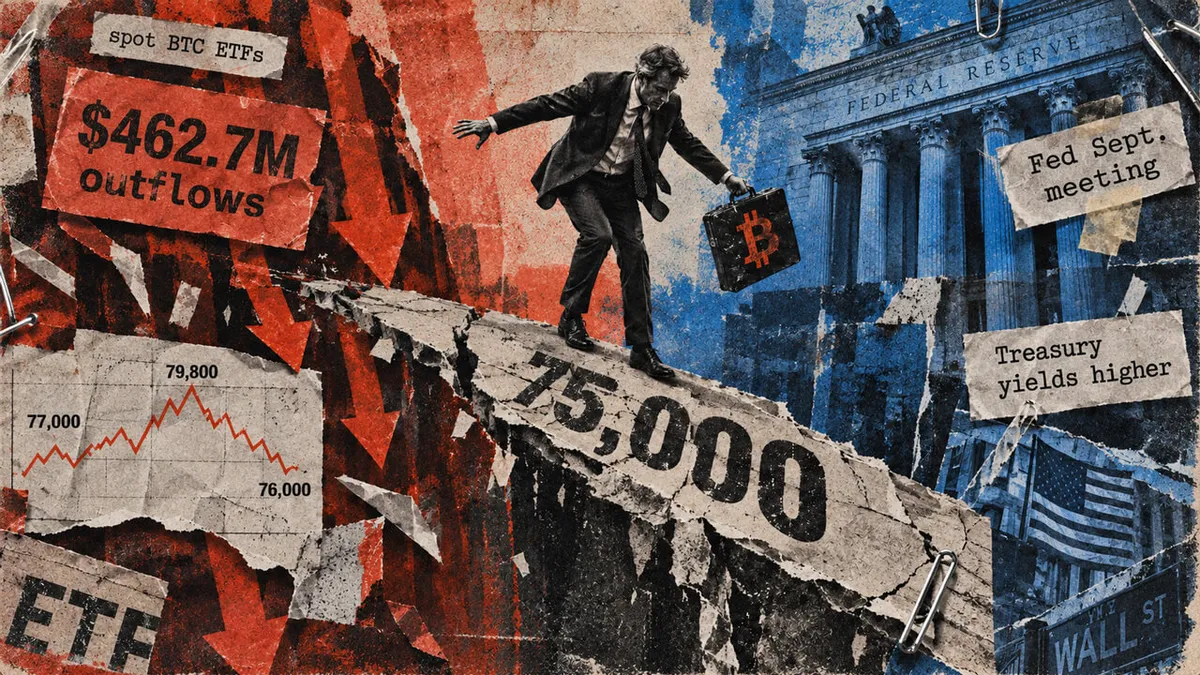
Bitcoin ETFs face $463 million in outflows as Fed raises BTC risk to $75,000

Uncertainty in UK fund rules could hinder tokenized gold development