The Fed’s rate lever is breaking as bond markets stop following its lead

Recent developments indicate a significant shift in the dynamics of the U.S. bond markets in relation to the Federal Reserve's interest rate policies. Historically, the Fed has relied on adjusting interest rates to manage economic stability–raising them to combat inflation and lowering them to spur growth. However, the ongoing challenges such as elevated government borrowing, persistent inflation post-pandemic, and repeated pressures within the Treasury market suggest that this once-reliable mechanism may be losing its effectiveness. The bond markets appear to be charting their own course, increasingly unresponsive to the Fed’s adjustments.
Understanding the backdrop of this situation requires us to look at the decade of quantitative easing and low-interest rates following the 2008 financial crisis. The Fed's ability to manipulate rates has been a key economic tool, helping to stimulate growth during periods of downturn. Yet, this strategy has led to unprecedented levels of government debt and an inflationary environment exacerbated by supply chain disruptions and increased demand following the pandemic. As these factors converge, traditional economic models that rely on rate adjustments seem to be faltering, leading to questions about the Fed's future monetary policy effectiveness.
This shift is particularly crucial for the financial markets, including cryptocurrencies, as they often react to macroeconomic signals from traditional financial systems. If the bond markets begin to decouple from the Fed's influence, it may create a more volatile environment for risk assets, including cryptocurrencies. Investors could face increased uncertainty as they navigate a landscape where traditional indicators of economic health no longer hold the same predictive power. This could lead to a reevaluation of investment strategies across various asset classes.
Industry experts have begun to weigh in on these developments, highlighting the potential for a significant paradigm shift in monetary policy. Some analysts suggest that the Fed may need to explore alternative strategies beyond interest rate manipulation, such as yield curve control or other unconventional measures, to regain some semblance of control over the economy. Others express concern over the broader implications for market stability, warning that a decoupling of bond markets could signal deeper systemic issues that may require urgent attention.
As we move forward, it will be essential to monitor the Fed's responses and the behavior of the bond markets closely. Should the current trends continue, we might witness a recalibration of monetary policy tools, potentially reshaping the landscape for both traditional and digital assets. The unfolding situation underscores the interconnectedness of economic indicators and the ongoing evolution of market dynamics in response to unprecedented challenges.

CoinMagnetic Team
Crypto investors since 2017. We trade with our own money and test every exchange ourselves.
Updated: May 2026
From our insights:
Related news
Iran hints at reopening Strait of Hormuz, WTI oil drops to $89

New altseason signal emerges as Bitcoin market cap stays under 60%

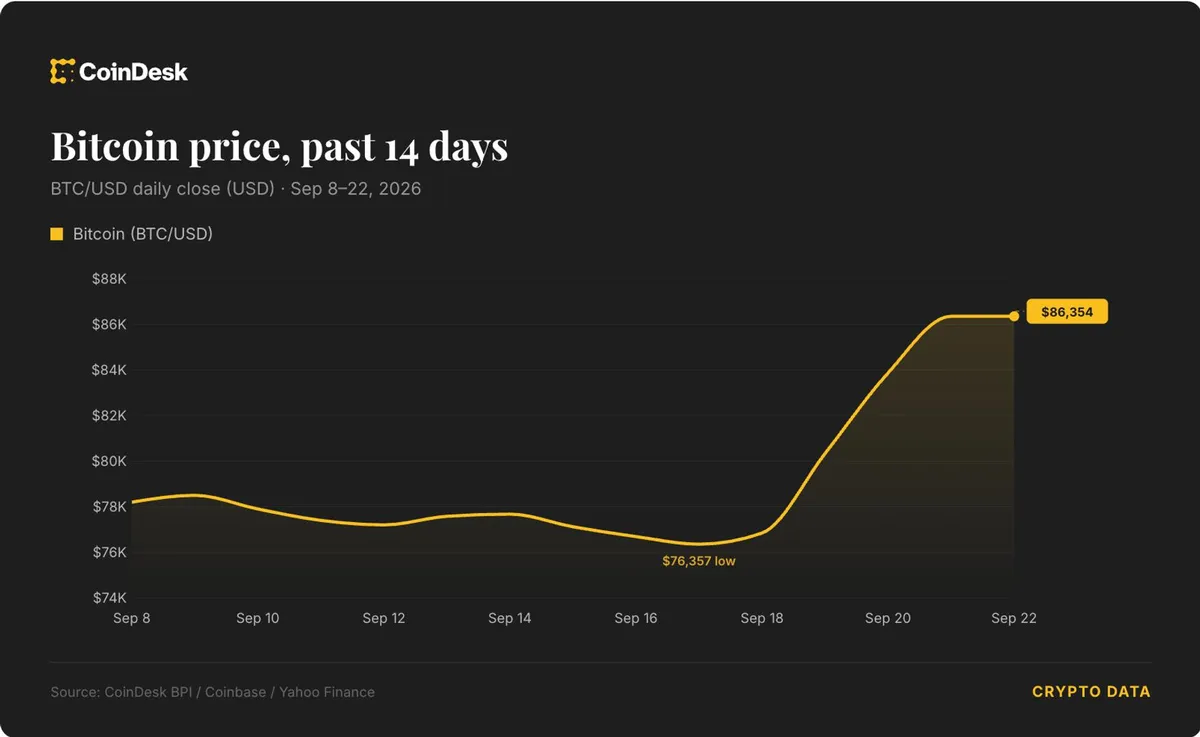
Bitcoin nears $86,000 as crypto market cap surpasses $3 trillion

Bitcoin's weekly close above $81,000 signals potential rise to $90,000

Elon Musk's X integrates bitcoin trading options for U.S. users