The digital euro: Surveillance money, or a better alternative to cash?
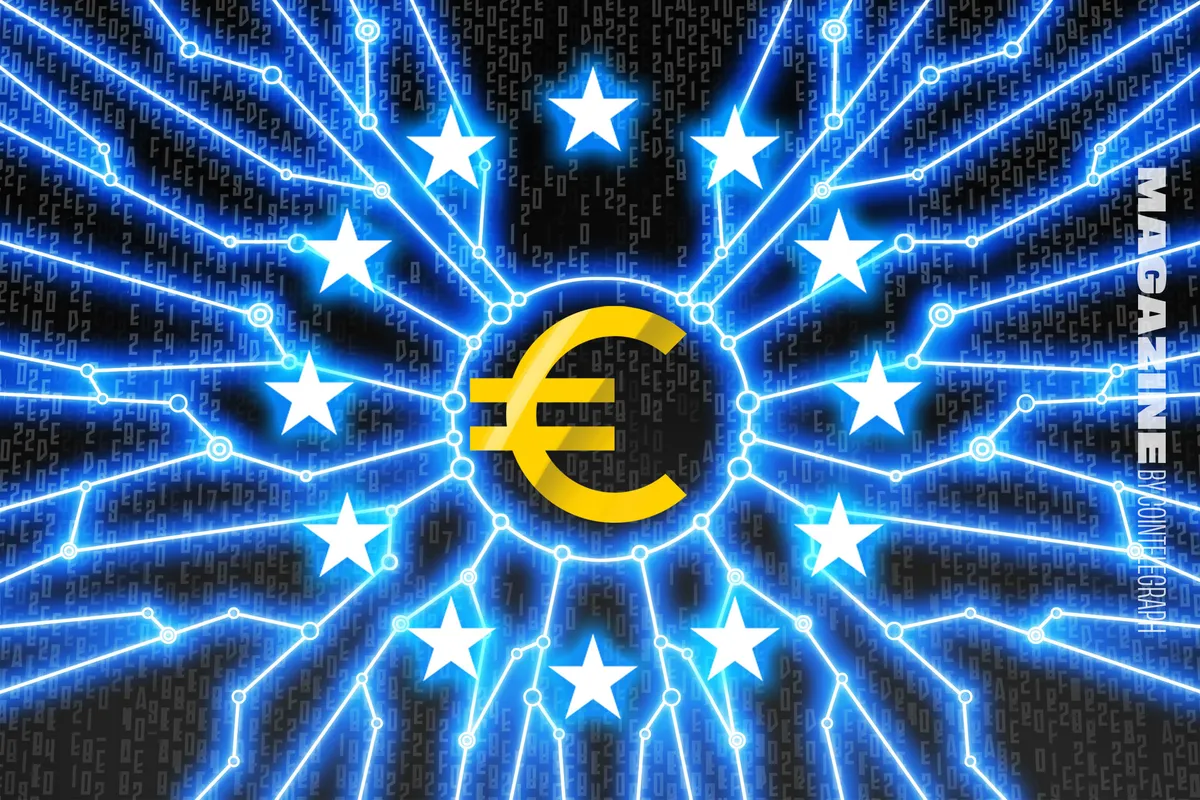
The ongoing debate surrounding the digital euro has intensified as proponents and critics present their differing views on its potential implications. Supporters argue that the digital euro, fully backed by the European Central Bank (ECB), could serve as a safer and more efficient alternative to traditional cash. They highlight benefits such as improved transaction speeds, reduced costs of processing payments, and enhanced security features that could mitigate risks associated with physical currency. However, critics raise concerns that this digital currency may grant the EU excessive control over individual financial activities, leading to a scenario where citizens' transactions are closely monitored and privacy is compromised.
To understand the significance of the digital euro, it is essential to consider the broader context of digital currencies in the global financial landscape. Central banks around the world have been exploring the development of central bank digital currencies (CBDCs) as a response to the rise of cryptocurrencies and the declining use of cash. The ECB initiated discussions about the digital euro in response to these trends, aiming to ensure that the euro remains relevant in the digital age. While the concept of a digital euro has received considerable attention, it has also sparked fears of surveillance and the potential for increased state control, leading to a polarized public discourse.
The implications of the digital euro extend beyond mere convenience; they could reshape the dynamics of the financial market. If adopted, the digital euro could significantly influence how monetary policy is conducted, improve cross-border transactions, and enhance financial inclusion for underserved populations. However, the potential for surveillance and loss of privacy raises crucial questions about the balance between innovation and individual rights. Investors and market participants are closely watching this development, as its implementation could have far-reaching effects on how currencies are perceived and utilized within the Eurozone and beyond.
Industry reactions to the digital euro have been varied, with experts weighing in on both sides of the argument. Supporters, including some fintech leaders, have emphasized the potential for the digital euro to streamline payment systems and enhance the efficiency of the financial framework in the EU. On the other hand, privacy advocates and civil liberties organizations have voiced strong opposition, warning of the risks associated with a state-controlled digital currency that could infringe upon personal freedoms. This divide highlights the need for a careful examination of the digital euro's design and implementation to address concerns while maximizing its benefits.
Looking ahead, the future of the digital euro remains uncertain. The ECB is conducting public consultations and pilot projects to gauge public sentiment and gather insights into potential risks and benefits. As the discussion evolves, it will be crucial for policymakers to strike a balance between technological advancement and the protection of individual rights. Ultimately, the outcome of this initiative may set a precedent for other central banks considering similar digital currency projects, making it a pivotal moment in the ongoing evolution of money in the digital age.

CoinMagnetic Team
Crypto investors since 2017. We trade with our own money and test every exchange ourselves.
Updated: July 2026
From our insights:
Related news

Ripple Prime enables continuous stock trading with RLUSD collateral
MoonPay and Dunamu look to team up on stablecoin payments and GIWA chain

SpaceX and Tesla merger floated by Musk alongside a ninefold jump in AI revenue

Claude Code prompt lets Android TV owners remove ads without root access

OpenAI acquires Orchestra Bio to automate drug development workflows