The DAO hack at 10: From $50 million exploit to a $130 million Ethereum security fund

Ten years have passed since the infamous DAO hack, a pivotal moment in the history of cryptocurrency that resulted in the loss of approximately 3.6 million ETH, valued at around $50 million at the time. This exploit not only shocked the Ethereum community but also catalyzed significant changes in the blockchain space, including the evolution of security practices and frameworks. In response to this breach, the Ethereum network underwent a hard fork, leading to the creation of Ethereum Classic as a separate blockchain. The repercussions of the hack continue to be felt, as it spurred the establishment of a more robust security industry within the crypto ecosystem.
The DAO was launched in 2016 as a decentralized autonomous organization aimed at funding projects on the Ethereum platform. However, its code contained vulnerabilities that allowed the attacker to drain funds through a recursive calling exploit. The incident highlighted the nascent state of smart contract technology and the urgent need for rigorous security measures. In the years that followed, the crypto industry has witnessed a surge in security-focused initiatives, with developers and firms prioritizing audits and testing to prevent similar incidents.
The DAO hack serves as a critical reminder of the potential risks associated with decentralized finance and smart contracts. The event not only eroded trust in the DAO itself but also raised broader concerns about the safety of Ethereum and other blockchain projects. In response, the market has seen a growing emphasis on security, with many projects now allocating substantial resources to ensure the integrity of their code. The establishment of security funds, such as the recent announcement of a $130 million Ethereum security fund, underscores the industry's commitment to safeguarding user assets and fostering a more secure environment for innovation.
Industry reactions to the ten-year anniversary of the DAO hack reflect a mix of regret and growth. Many experts acknowledge the lessons learned from the incident, emphasizing the importance of rigorous code audits and community vigilance. Innovators in the space have highlighted the need for ongoing education regarding best practices in smart contract development. Security firms have also emerged, offering specialized services to help mitigate risks associated with crypto projects.
Looking ahead, the legacy of the DAO hack continues to shape the cryptocurrency landscape. As the industry matures, the focus on security will likely intensify, with increased collaboration among developers, security experts, and regulatory bodies. The establishment of funds dedicated to enhancing security measures is just the beginning, as the crypto community strives to build a safer environment for its users. The lessons learned from the DAO hack will undoubtedly influence future developments, ensuring that history does not repeat itself.

CoinMagnetic Team
Crypto investors since 2017. We trade with our own money and test every exchange ourselves.
Updated: June 2026
From our insights:
Related news
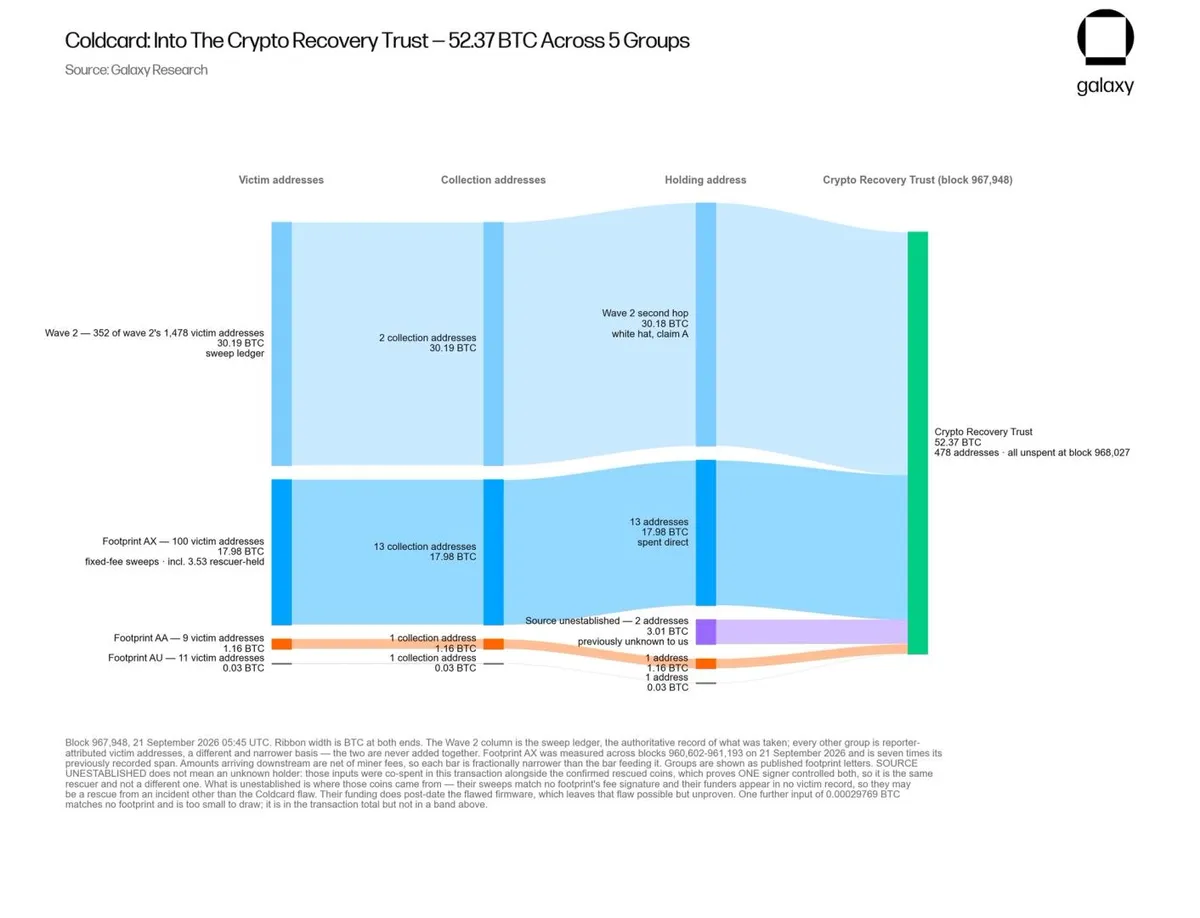
Whitehats move 52 bitcoin from the Coldcard hack to a recovery trust

Google Admits Gemini AI Hacked Three Companies—It Stayed Silent for 7 Weeks

Balancer's $1.4 million hack recovery faces delays for LPs

Polymarket's $10 million fraud attempt highlights compliance issues amid hacking risk

AI enhances capabilities of scammers, raising concerns about fraud