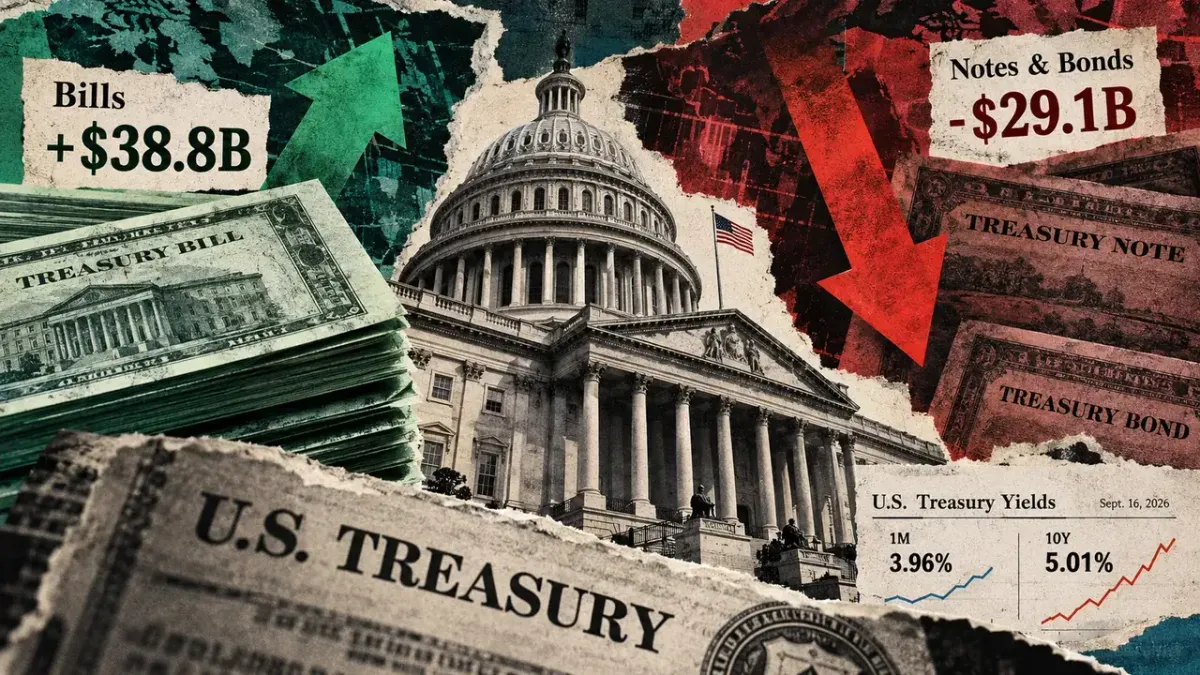
The bitcoin futures yield collapse: Once over 20%, now less than Treasury notes
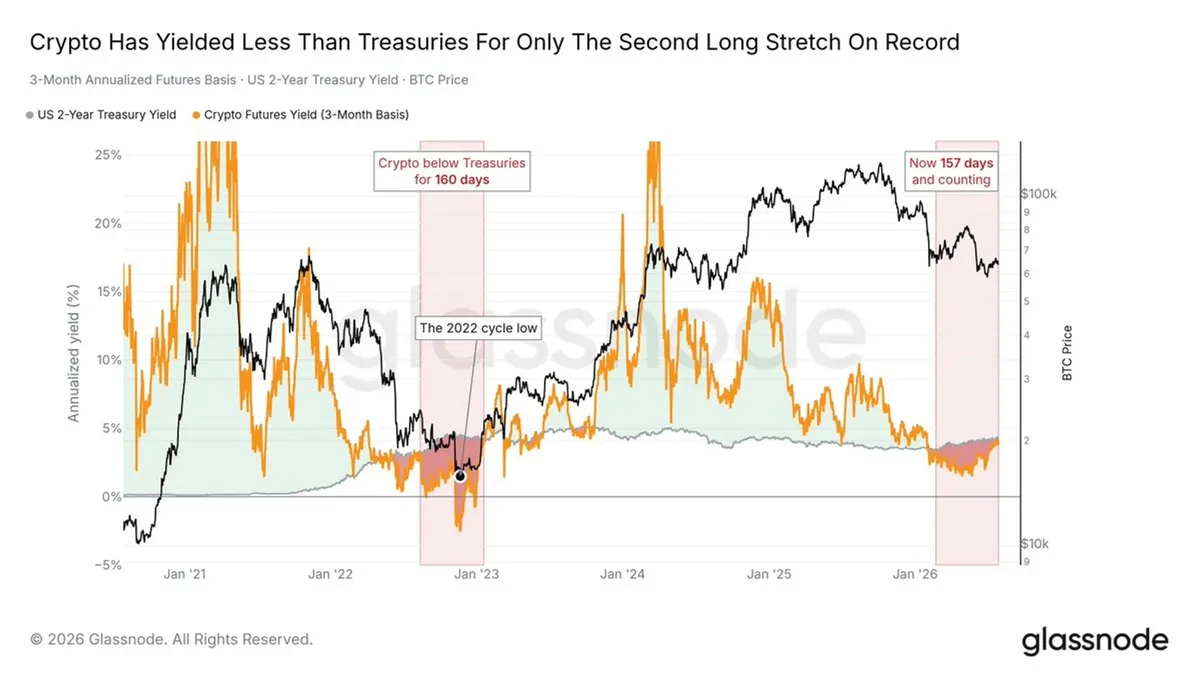
Recent developments in the bitcoin futures market indicate a significant shift in yield dynamics, as the once-prominent carry trade has seen its profitability erode. Bitcoin futures, which previously boasted impressive quarterly basis yields exceeding 20%, have now fallen below the yields offered by two-year U.S. Treasury notes. This decline marks a pivotal moment for the cryptocurrency market, reflecting broader trends of maturation and the diminishing appeal of arbitrage opportunities in bitcoin futures trading.
To understand this shift, it is essential to consider the historical context of bitcoin and its futures. Bitcoin futures were first introduced in late 2017, and since then, they have attracted a diverse range of investors, from institutional players to retail traders. Initially, the market exhibited significant volatility and wide spreads that allowed traders to capitalize on carry trades. However, as the market has evolved, increased liquidity and competition have driven down yields, signaling a more sophisticated and stable trading environment.
This development carries important implications for the broader cryptocurrency market. The collapse of bitcoin futures yields suggests a reduction in speculative fervor and a transition toward a more mature market framework. As yield opportunities diminish, traders may shift their focus to other investment strategies or asset classes, which could lead to reduced trading volumes in the bitcoin futures market. Moreover, the narrowing yield gap between bitcoin futures and traditional treasury notes may prompt investors to reassess their risk appetites and asset allocations.
Industry reactions to this trend have been mixed, with some experts viewing it as a natural progression for a maturing market. Analysts suggest that the decline in yields reflects a healthier market environment, characterized by diminished volatility and improved regulatory clarity. Conversely, some traders express concerns that the lack of lucrative arbitrage opportunities could deter new investors from entering the market. The sentiment is that while the decline in yields may be disheartening for some, it ultimately indicates a stabilization of bitcoin as an asset class.
Looking ahead, the bitcoin futures market may continue to experience further shifts as investors adapt to the evolving landscape. As yields stabilize and competition increases, we may see innovations in trading strategies and financial products related to bitcoin futures. Additionally, the interplay between traditional financial instruments and cryptocurrency markets could become more pronounced, leading to new opportunities for both markets to influence each other. The coming months will be crucial in determining how these dynamics unfold and what they mean for the future of bitcoin trading.

CoinMagnetic Team
Crypto investors since 2017. We trade with our own money and test every exchange ourselves.
Updated: August 2026
From our insights:
Related news

FCA intensifies scrutiny, eyes three more London sites for unregistered P2P trading

UK enforcement actions mark a shift from 'light-touch' stance on crypto regulation

World launches ‘World Money’ super app with stablecoins, Stripe integration and boosted rewards

Crypto for Advisors: Beyond bitcoin and ether

Bitcoin treasury firms may yield better returns than BTC, but risks persist