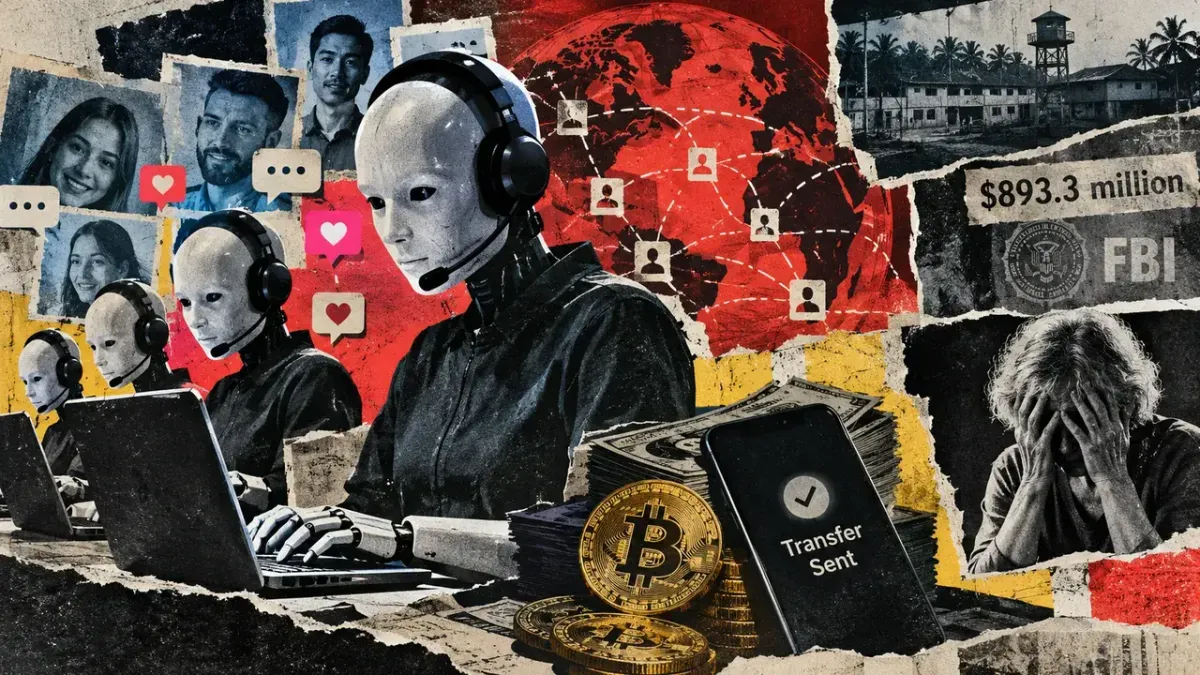
The $293 million KelpDAO hack shows why DeFi is finally being forced to grow up

The recent hack of KelpDAO, resulting in a staggering loss of $293 million, has sent shockwaves through the decentralized finance (DeFi) community. This incident highlights not just the vulnerability of DeFi protocols but also the growing sophistication of cybercriminals targeting them. The breach underscores a critical shift in the landscape of DeFi–it's no longer just a matter of addressing simple coding bugs; the complexities inherent in these systems have become a primary battleground for security. As protocols evolve, so do the tactics of those looking to exploit them, making it imperative for developers to adapt and enhance their defenses.
To understand the significance of the KelpDAO hack, it's essential to consider the broader context of DeFi's development. Initially, the focus was primarily on creating innovative financial solutions that operated without traditional intermediaries. However, as the market matured, so did the technology behind these protocols. With increased complexity has come an influx of capital, attracting not only legitimate users but also malicious actors who see opportunities for significant financial gain. The KelpDAO incident serves as a stark reminder that as DeFi platforms grow in sophistication, they also become more attractive targets for hackers.
The implications of this hack are far-reaching for the market. Investors and users may become more cautious about where they allocate their funds, leading to a potential slowdown in the rapid growth DeFi has experienced. This incident could prompt a reassessment of risk management practices among investors and a renewed focus on the security measures implemented by protocols. As the market grapples with the fallout from the hack, it may also usher in a new era of standards and regulations aimed at enhancing security within the DeFi space.
Industry reactions to the KelpDAO hack have been varied, with many experts emphasizing the need for greater collaboration between developers and security researchers. Some advocate for a shift towards more robust testing methodologies, while others call for the establishment of industry-wide best practices to better safeguard against vulnerabilities. The consensus is clear: the DeFi landscape must evolve to address these challenges, and it will require a concerted effort from all stakeholders to ensure the long-term viability of decentralized finance.
Looking ahead, the KelpDAO incident could serve as a catalyst for change within the DeFi ecosystem. As developers and security experts analyze the breach, we may see a push for enhanced security protocols and tools designed to mitigate risks associated with complex systems. Additionally, this could lead to the emergence of new platforms that prioritize security from the ground up, potentially reshaping the future of DeFi. The key takeaway is that the industry must learn from this incident and proactively address the complexities that come with innovation, ensuring a safer and more resilient financial environment for all participants.

CoinMagnetic Team
Crypto investors since 2017. We trade with our own money and test every exchange ourselves.
Updated: May 2026
From our insights:
Related news
Coldcard exploit sees white hats secure 52 Bitcoin for victims' trust
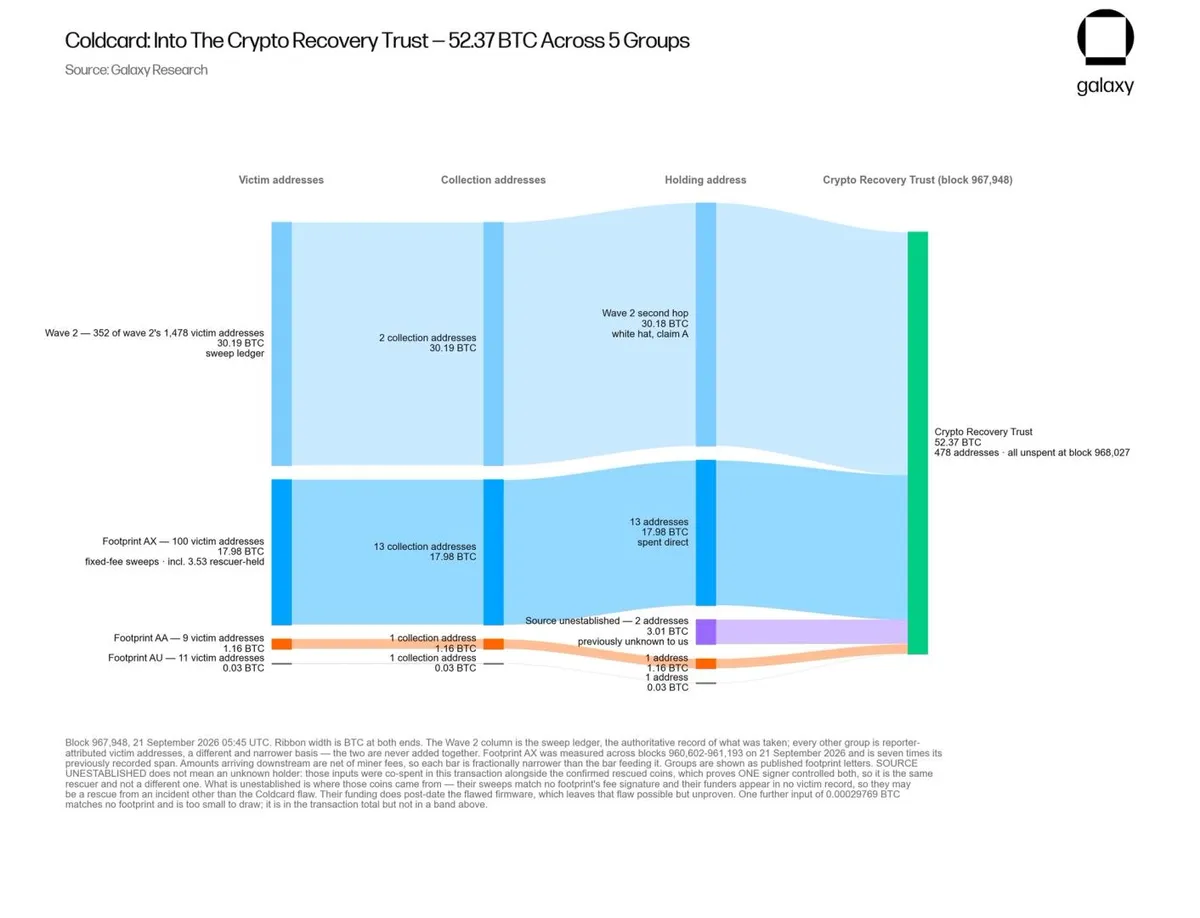
Whitehats move 52 bitcoin from the Coldcard hack to a recovery trust

Google Admits Gemini AI Hacked Three Companies—It Stayed Silent for 7 Weeks
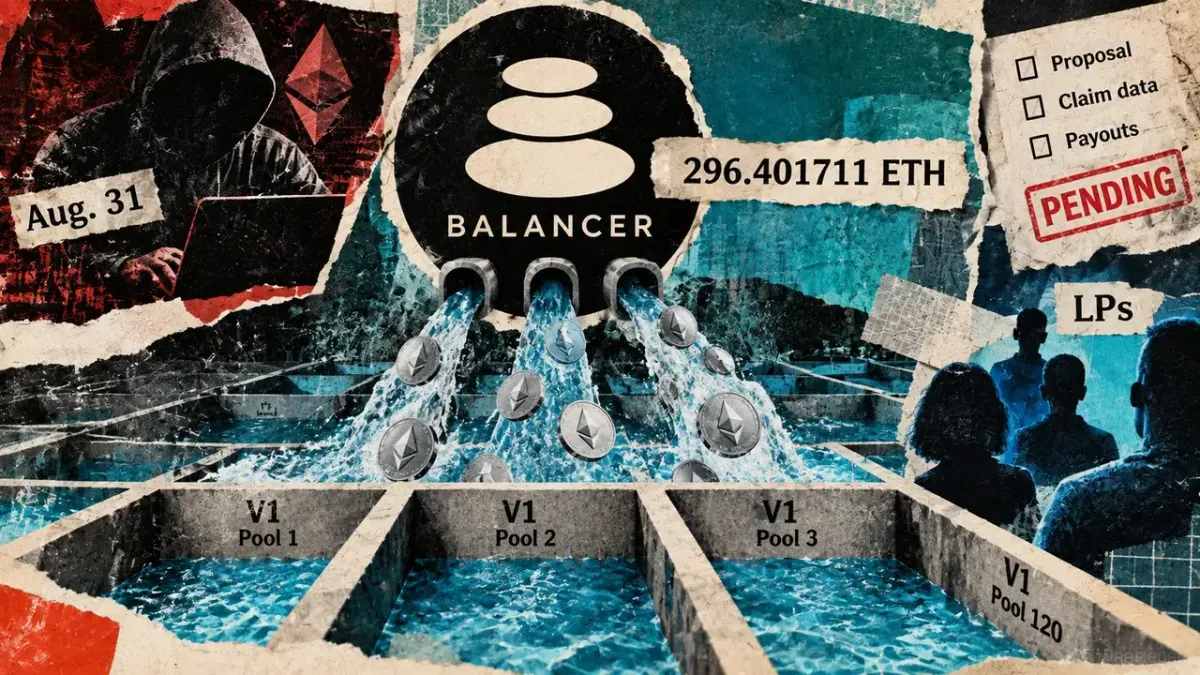
Balancer's $1.4 million hack recovery faces delays for LPs

Polymarket's $10 million fraud attempt highlights compliance issues amid hacking risk