Texas questions whether AI data centers should pay for the grid they strain
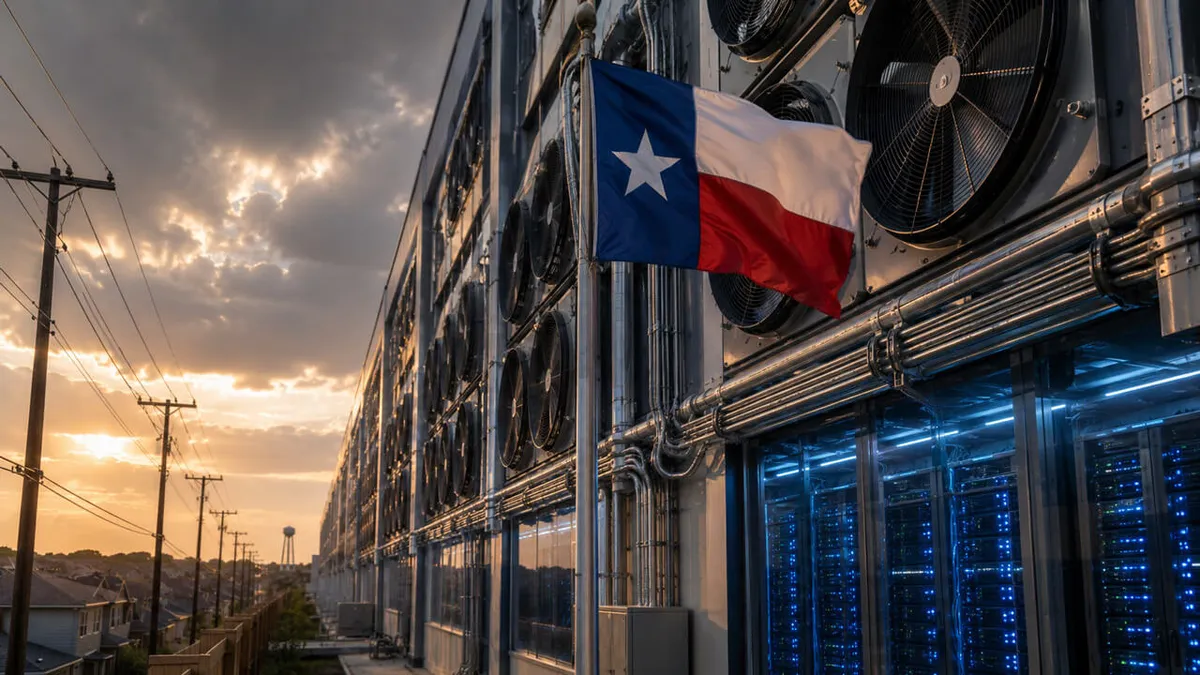
Texas has recently shifted its approach to the burgeoning AI and data center industry, particularly regarding their impact on the state's power grid. Governor Greg Abbott has called on state regulators to reconsider the financial responsibilities of these data centers, which have been a focal point of Texas's economic strategy. This comes after years of incentivizing AI companies, cloud providers, and Bitcoin miners with low electricity rates, ample land, and a sales tax exemption that has turned into one of the most costly incentive programs in the state. The new directive aims to require these data centers to contribute to the maintenance and expansion of the grid, addressing concerns over their increasing energy demands.
To understand this shift, we need to consider Texas's economic landscape over the past few years. The state has actively courted tech companies, including those in AI and cryptocurrency, by offering attractive incentives to foster growth and innovation. This strategy has led to a significant influx of businesses that rely heavily on energy consumption, raising questions about sustainability and the long-term viability of such incentives. As these data centers proliferate, the strain on the grid has become more apparent, prompting state officials to reassess the financial implications of their energy consumption.
This development is significant for the market as it highlights a growing tension between economic growth and energy sustainability. Texas has long been known for its deregulated energy market, which has attracted businesses looking for low operational costs. However, as these companies expand, the increasing demand for electricity raises concerns about grid reliability and capacity. By mandating that AI and data centers contribute to grid funding, Texas may be setting a precedent that could reshape the dynamics of energy consumption and pricing in the tech industry. Investors and stakeholders will be closely monitoring how this change could influence operational costs and the viability of future expansions.
Industry reactions have been mixed. Some experts argue that requiring data centers to pay for grid maintenance is a necessary step towards sustainable growth, ensuring that the energy infrastructure keeps pace with demand. Others caution that this could deter new investments, especially if operational costs rise significantly. The balance between incentivizing growth and ensuring sustainable energy practices is delicate, and stakeholders are eager to see how the regulators will navigate these challenges. The tech industry, particularly those heavily reliant on data centers, will need to adapt to this new regulatory environment.
Looking ahead, it will be crucial to monitor how this directive from Governor Abbott unfolds and its implications for both the AI and crypto sectors in Texas. As the state grapples with the challenges of balancing economic growth with energy sustainability, other states may also take cues from Texas's approach. The outcome of this situation could influence not just local businesses but also the broader landscape of tech investments and energy policies across the nation.

CoinMagnetic Team
Crypto investors since 2017. We trade with our own money and test every exchange ourselves.
Updated: June 2026
From our insights:
Related news

SoFi begins stablecoin settlement on Mastercard network for program expected to exceed $25 billion in annualized volume

A $3.2 million 'bitcoin butterfly' option trade bets on $95,000 by the end of October

Bitcoin surges past $86,000 as $1 billion in shorts are liquidated, eyes on $90,000
Bitcoin bounces back to $86,000 as oil prices decline and stocks rise

Prediction markets projected to reach $10 trillion by 2035, surpassing sports