Tether winds down gold-backed derivative stablecoin aUSDT

Tether has announced the winding down of its gold-backed derivative stablecoin, aUSDT, as part of a strategic shift towards products that align more closely with user demand and market opportunities. This decision comes as Tether aims to enhance liquidity and focus on its core offerings, which have proven to be more popular among users. The company emphasized that the move is intended to streamline its operations and concentrate resources on its primary stablecoin, USDT, which remains a dominant player in the digital currency space.
The launch of aUSDT was initially seen as an innovative approach to diversifying Tether’s portfolio beyond traditional fiat-backed stablecoins. Backed by gold, it was designed to attract investors looking for a stable asset in times of economic uncertainty. However, as the crypto market has evolved, Tether has recognized that demand for gold-backed assets has not materialized to the extent anticipated. This decision reflects a broader trend in the industry where firms are reassessing their product offerings in response to changing market dynamics.
This move carries significant implications for the market, particularly for investors and traders who may have been exploring alternatives to fiat-backed stablecoins. With Tether focusing on USDT, which is more widely adopted and recognized, we may see increased liquidity and stability in that segment of the market. Additionally, this decision reinforces the importance of adapting to market demands in the fast-paced world of cryptocurrency, where user preferences can shift rapidly.
Industry experts have reacted to Tether's decision with a mix of understanding and caution. Many agree that the move makes sense, given the current landscape, where stablecoins backed by traditional currencies have proven to be more resilient. Some analysts believe that this could lead to a consolidation of stablecoin offerings, as companies evaluate their positions and the desires of their user base. Others, however, express concern about the implications for investors who sought the security of gold-backed assets, potentially limiting their options in a volatile market.
Looking ahead, Tether's focus on USDT may prompt other stablecoin issuers to evaluate their own products and strategies. As user preferences continue to evolve, we may see a shift towards more traditional and liquid stablecoin solutions. The winding down of aUSDT could also lead to further discussions in the industry about the viability of alternative asset-backed stablecoins and their place in the broader market ecosystem. As Tether navigates this transition, it will be interesting to observe how it impacts both the company and the overall stablecoin landscape.

CoinMagnetic Team
Crypto investors since 2017. We trade with our own money and test every exchange ourselves.
Updated: June 2026
From our insights:
Related news

Bitcoin surges past $86,000 as $1 billion in shorts are liquidated, eyes on $90,000
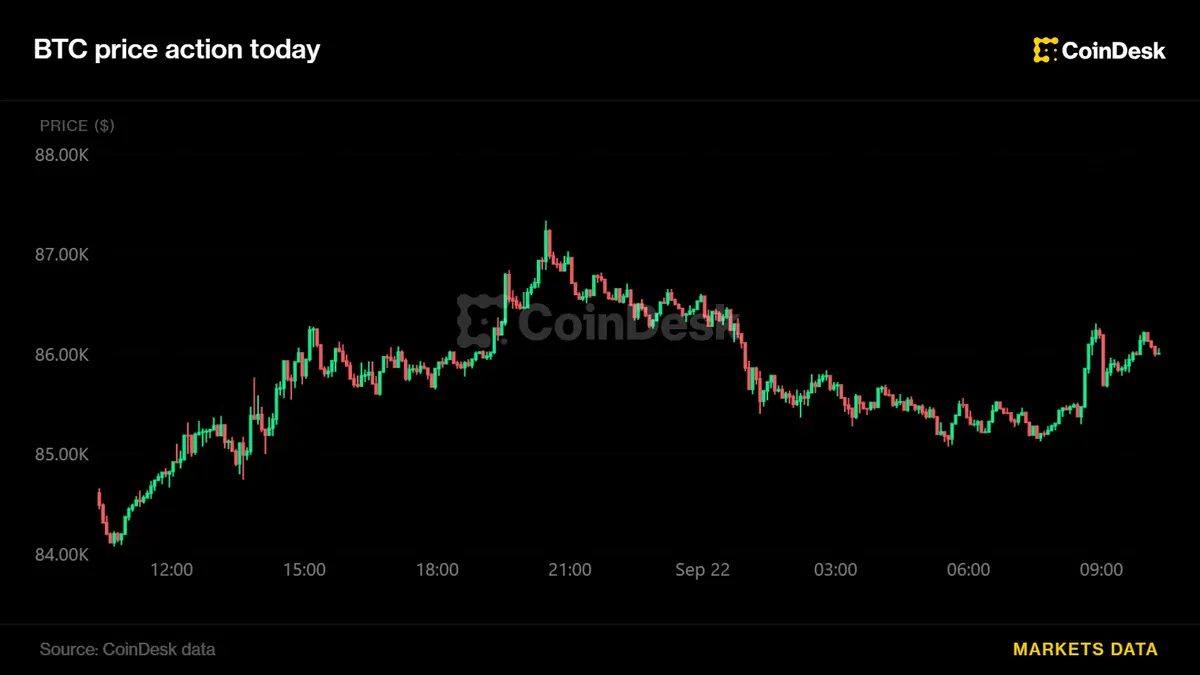
Bitcoin bounces back to $86,000 as oil prices decline and stocks rise

Prediction markets projected to reach $10 trillion by 2035, surpassing sports
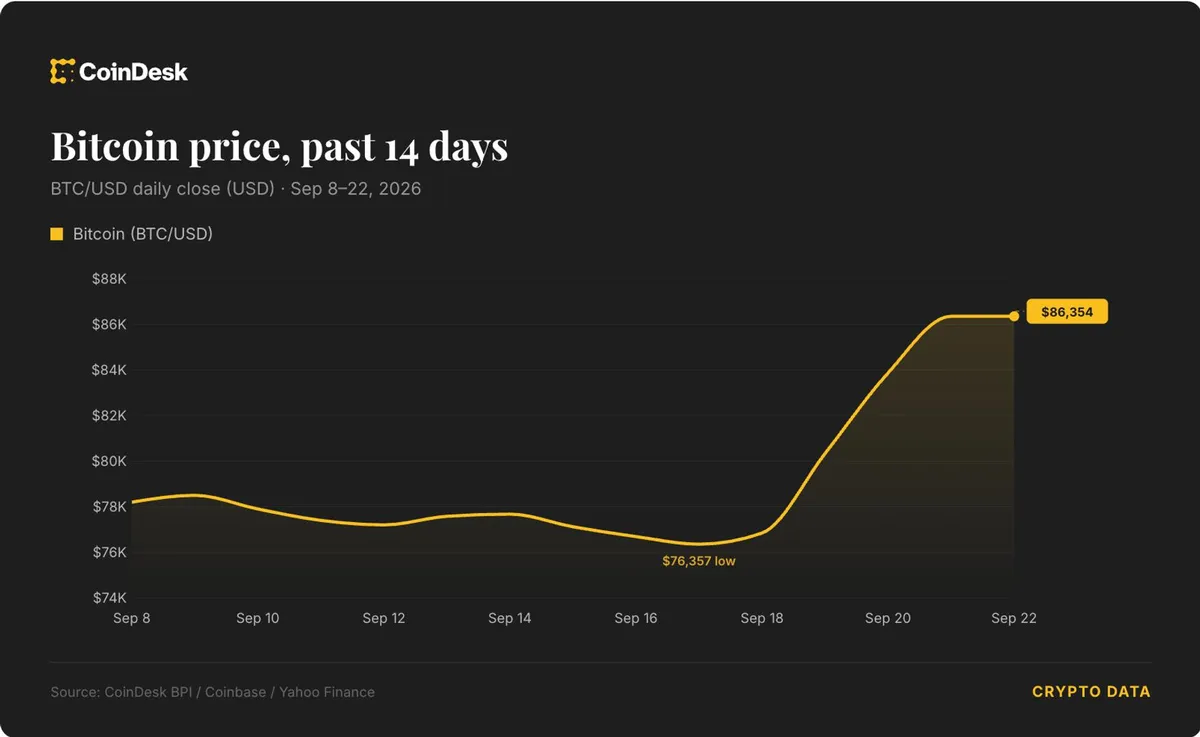
Iran hints at reopening Strait of Hormuz, WTI oil drops to $89

New altseason signal emerges as Bitcoin market cap stays under 60%