Tether stakeholder’s undisclosed £5 million gift to Farage adds to Reform UK funding scrutiny: reports
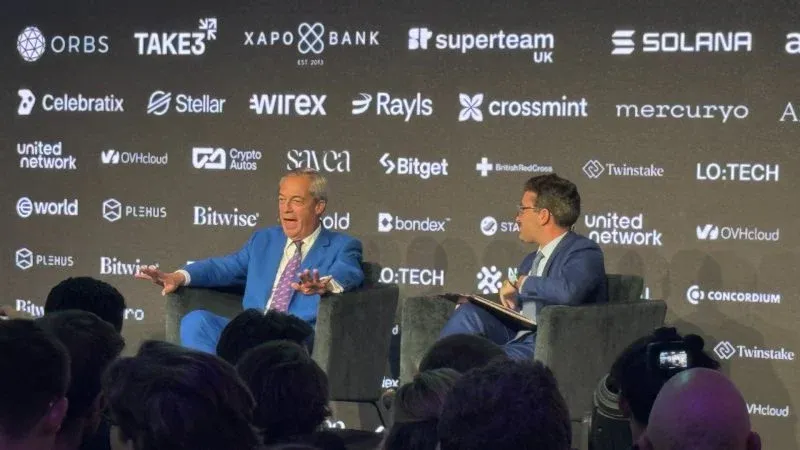
Recent reports have emerged detailing a significant financial contribution to Reform UK, led by controversial political figure Nigel Farage. Christopher Harborne, a stakeholder in Tether, has allegedly made an undisclosed gift of £5 million, adding to his previous donations that have already exceeded £12 million. This revelation raises questions about the influence of cryptocurrency stakeholders in traditional politics, particularly as Harborne’s financial backing positions him as one of the party's most substantial supporters.
The context of this development is rooted in the ongoing scrutiny surrounding the political funding landscape in the UK. Reform UK, a party that advocates for a range of right-leaning policies, has faced criticism for its ties to wealthy donors, particularly those from the cryptocurrency sector. Harborne’s involvement in Tether, a prominent stablecoin issuer, adds another layer of complexity, as it raises concerns about the intersection of crypto financing and political agendas. The implications of such donations can ripple through both the political and financial systems, potentially leading to regulatory discussions.
This matters for the market as it highlights the increasing intersection of cryptocurrency and politics, which may influence both public perception and regulatory frameworks. As crypto stakeholders step into political arenas, their financial contributions could prompt calls for greater transparency and accountability in political funding. Additionally, the scrutiny of such relationships may affect investor confidence in crypto assets, particularly if they are perceived as being used to sway political decisions or agendas.
Industry reactions have been mixed. Some experts argue that the financial involvement of individuals like Harborne in political parties is a natural extension of the growing influence of cryptocurrency in various sectors, including politics. Others express concern that such funding could undermine democratic processes and lead to the prioritization of wealthy individuals' interests over those of the general public. The debate surrounding this issue reflects broader conversations about the role of money in politics and the ethical considerations that come with it.
Looking ahead, we may see increased calls for regulation regarding political donations from cryptocurrency stakeholders. As the lines between finance and politics blur, it is likely that lawmakers will seek to address potential conflicts of interest and ensure greater transparency in funding sources. The long-term implications for both the crypto market and the political landscape will depend on how these discussions evolve and whether new frameworks are established to govern such contributions.

CoinMagnetic Team
Crypto investors since 2017. We trade with our own money and test every exchange ourselves.
Updated: April 2026
From our insights:
Related news
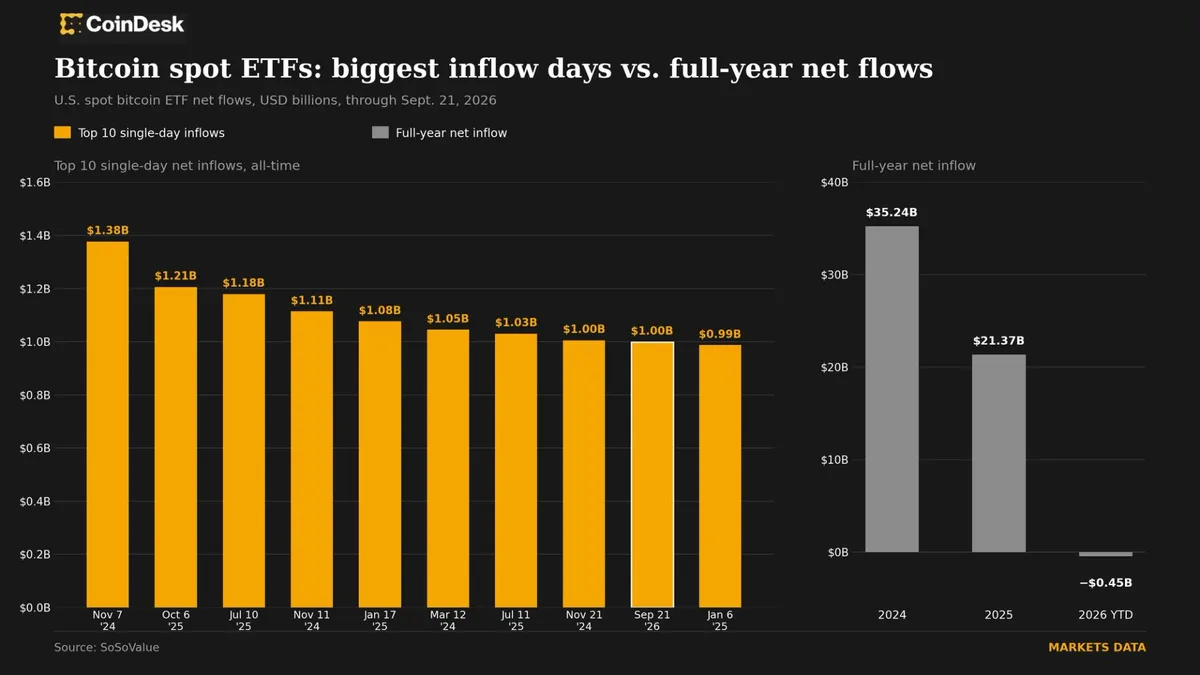
Spot bitcoin ETFs see nearly $1 billion inflow as bitcoin hits January highs
US spot Bitcoin ETFs see nearly $1 billion inflow, highest since October 2025
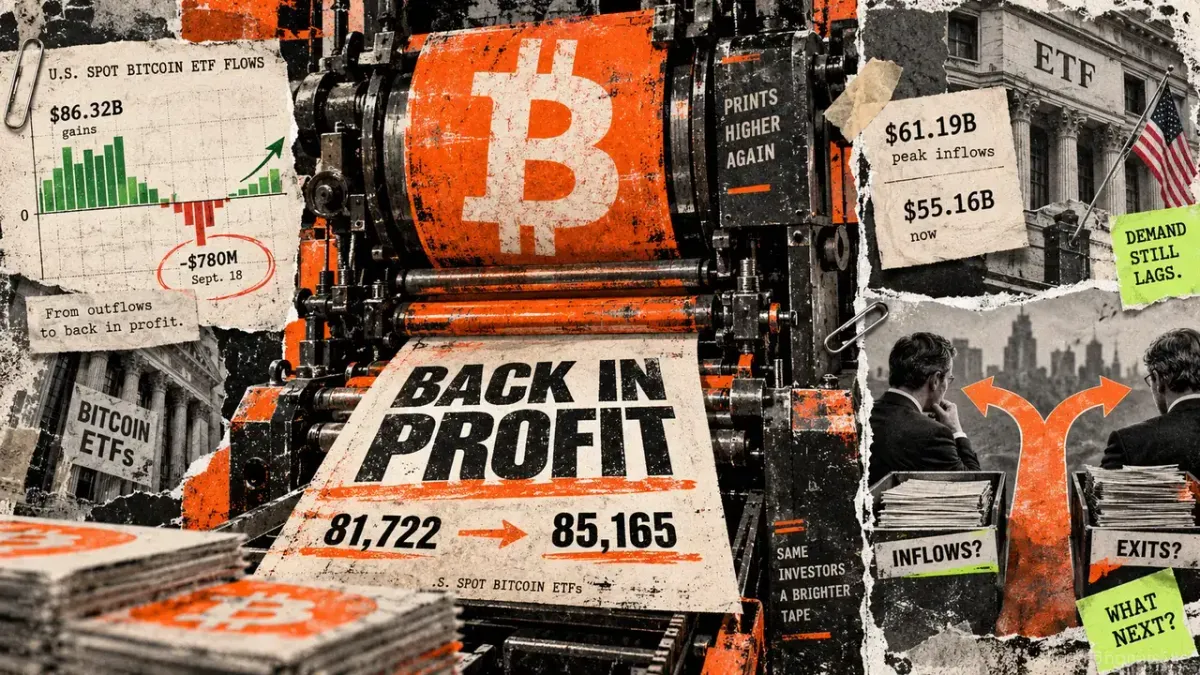
Bitcoin's rise to $86,000 restores profitability for ETF investors
Apple and Google seek crypto experts, signaling potential stablecoin initiatives

ECB initiates bond purchases using its own funds in crypto-linked system