Tether’s Georgia stablecoin plan moves early on national payment rails
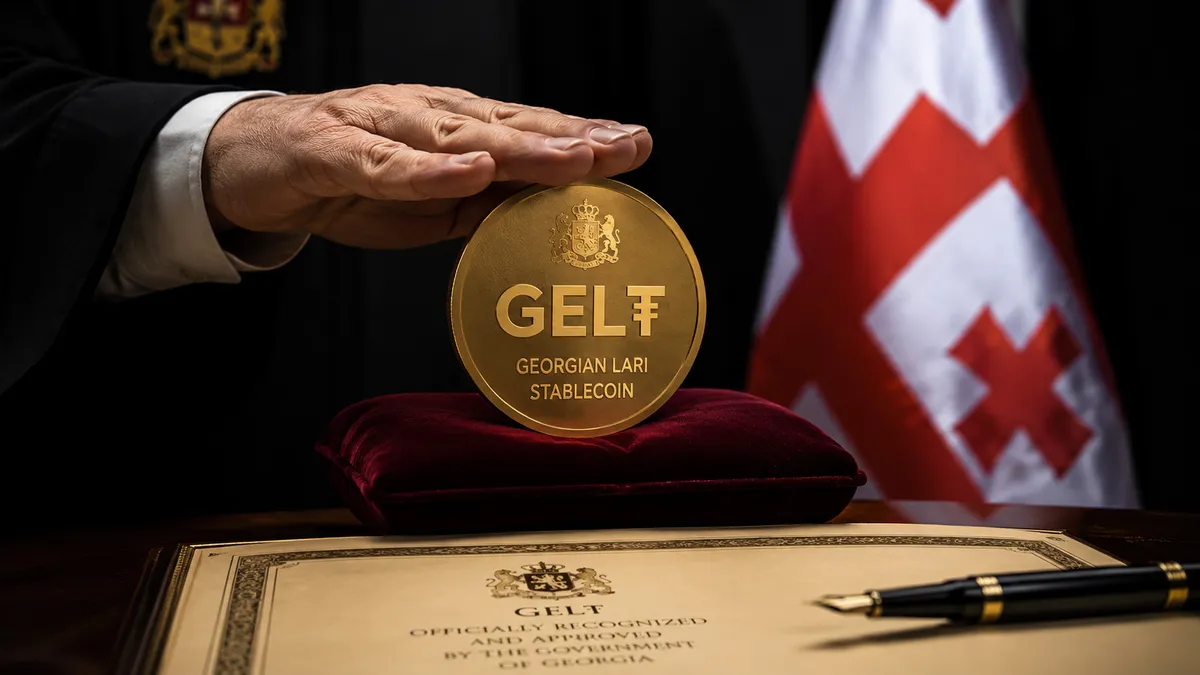
Tether has made headlines with its ambitious plan to launch a stablecoin in collaboration with the Government of Georgia. This initiative aims to integrate a stablecoin, named GEL₮, which will represent the Georgian lari directly onto the nation’s payment infrastructure. Announced on May 25, the GEL₮ is not just a digital representation of the lari–it's positioned to act as an official state-backed stablecoin. This move positions Georgia at the forefront of a growing trend where nations are exploring the use of stablecoins for facilitating transactions and enhancing their monetary systems.
To understand the significance of this development, it's essential to consider the broader context of stablecoins and national currencies. Stablecoins have been gaining traction globally, often seen as a bridge between traditional finance and the digital asset world. However, many governments remain cautious–unsure about how to regulate these instruments effectively or how they might impact existing monetary policies. Georgia's partnership with Tether marks a significant step away from this hesitance, as it seeks to integrate a stablecoin into its national payment rails ahead of many other nations that are still in the deliberation phase.
This initiative carries considerable implications for the market. By launching GEL₮, Georgia is setting a precedent that could inspire other countries to adopt similar models, potentially accelerating the mainstream acceptance of stablecoins. It reflects a shift in how governments view digital currencies–not merely as a threat to traditional monetary systems but as a complementary tool that can enhance financial inclusion and streamline transactions. The immediate market response may hinge on how effectively Georgia can implement this stablecoin and how it performs in real-world use cases.
Industry reactions have been mixed, with some experts praising Georgia's proactive approach as a bold move that could position the country as a leader in digital finance. Others, however, express concerns regarding the regulatory and operational challenges that come with launching a state-backed stablecoin. The success of GEL₮ will likely depend on the government's ability to address these challenges while fostering an environment that encourages innovation without compromising financial stability.
Looking ahead, the next steps for Tether and the Government of Georgia will involve the practical implementation of GEL₮ within the country's economic framework. This includes establishing clear regulatory guidelines, ensuring robust security measures, and engaging with stakeholders to promote adoption. The world will be watching closely, as the outcomes of this initiative could influence how other nations approach the integration of stablecoins into their financial ecosystems. As the landscape continues to evolve, Georgia’s actions might just pave the way for a new era in digital finance.

CoinMagnetic Team
Crypto investors since 2017. We trade with our own money and test every exchange ourselves.
Updated: May 2026
From our insights:
Related news

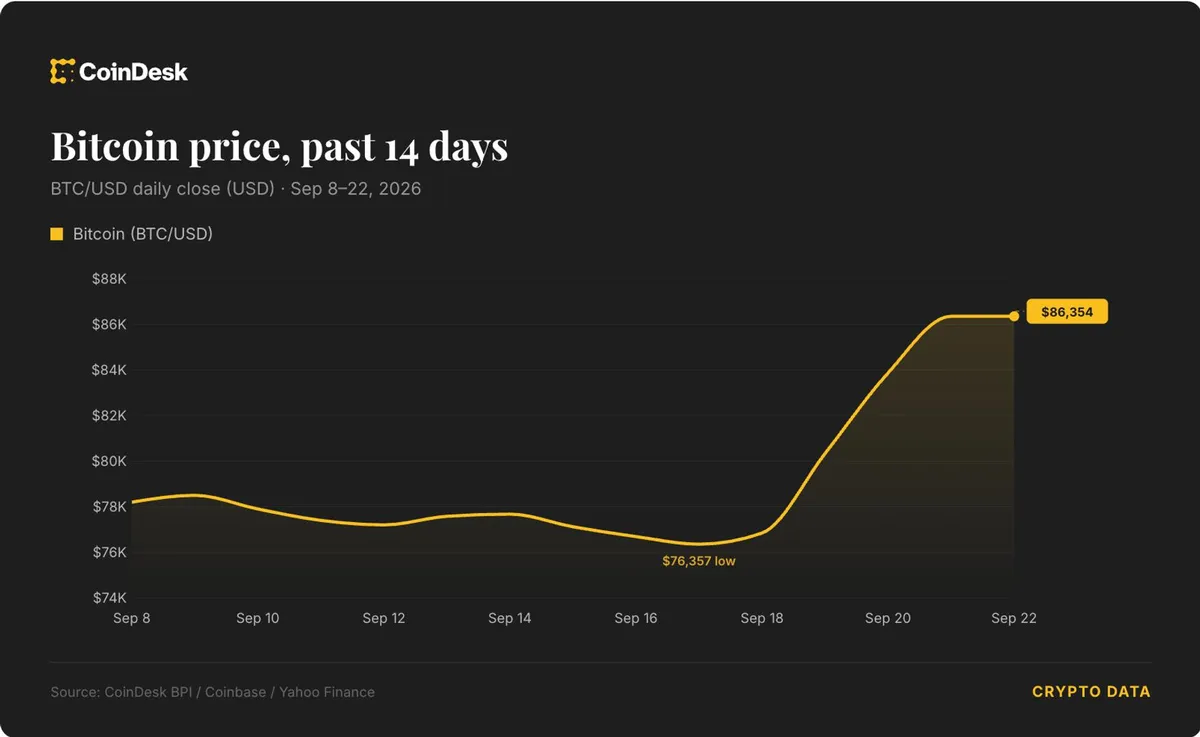
Bitcoin surges past $86,000 as $1 billion in shorts are liquidated, eyes on $90,000
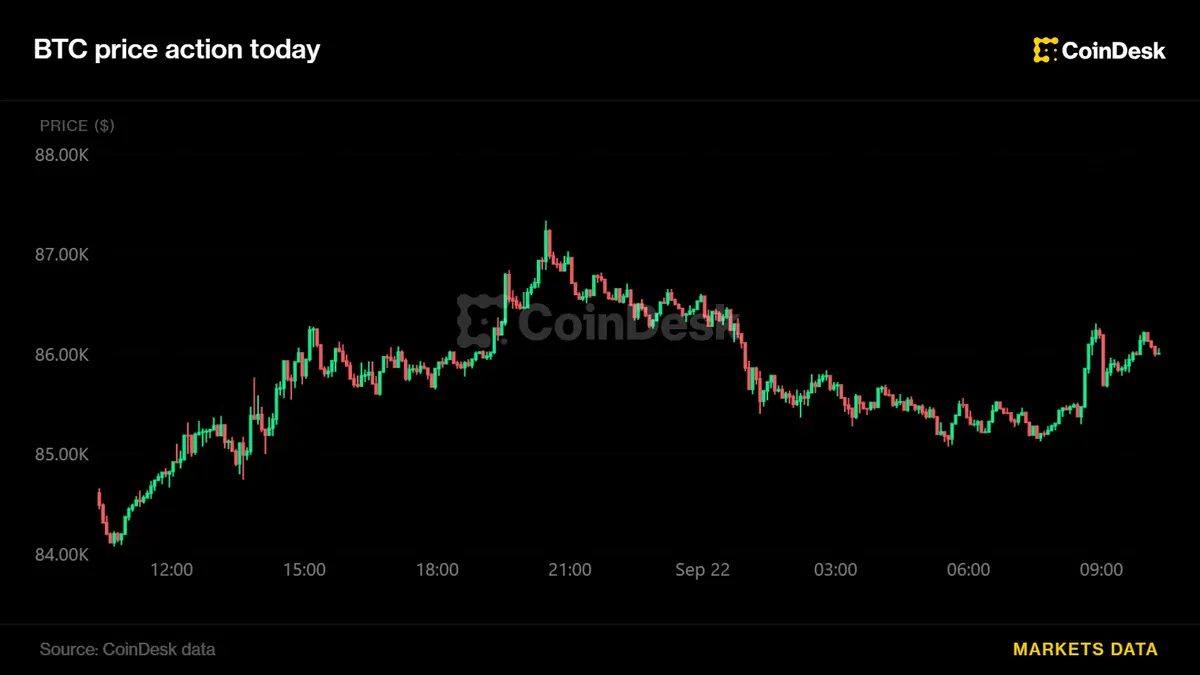
Bitcoin bounces back to $86,000 as oil prices decline and stocks rise

Prediction markets projected to reach $10 trillion by 2035, surpassing sports
Iran hints at reopening Strait of Hormuz, WTI oil drops to $89

New altseason signal emerges as Bitcoin market cap stays under 60%