Tether’s $141 billion Treasury pile reveals the stablecoin risk now embedded in US debt
Tether has recently unveiled a significant $141 billion investment in U.S. Treasuries, raising eyebrows across the financial sector. This colossal sum not only reflects Tether's position as a pivotal player in the cryptocurrency market but also highlights the intricate ties between the crypto ecosystem and traditional finance. The revelation spotlights the substantial direct and indirect exposure that Tether holds in U.S. government debt, which, given its status as the issuer of the world's largest stablecoin, USDT, poses intriguing implications for both the stability of the stablecoin and the broader financial landscape.
The context surrounding Tether’s investment reveals a complex relationship between cryptocurrency and traditional finance. Initially, regulators sought to keep the burgeoning crypto industry at arm's length from established financial systems, aiming to mitigate systemic risks. However, as digital currencies gained traction, companies like Tether have emerged as significant institutional players. Tether's acquisition of U.S. Treasuries marks a shift, demonstrating that the stablecoin sector has not only integrated into mainstream finance but has also become an essential component of it, raising questions about regulatory frameworks and market stability.
This development matters for the market for several reasons. Firstly, Tether's massive Treasury holdings underscore the growing importance of stablecoins in the financial ecosystem, particularly in providing liquidity and stability. However, the inherent risks tied to such a significant investment in U.S. debt cannot be overlooked. Should there be fluctuations in interest rates or changes in government policy, Tether and its users could face risks that reverberate throughout the crypto market and potentially beyond. As stablecoins increasingly become the bridge between fiat and digital currencies, their vulnerabilities could impact investor confidence and market dynamics.
Industry experts have expressed mixed reactions to Tether's substantial Treasury pile. Some view it as a validation of the stablecoin model, suggesting that Tether's investment strategy reflects a level of maturity and institutional acceptance that could bolster confidence in the cryptocurrency space. Others, however, caution against the risks associated with such a concentration in U.S. debt, arguing that it could amplify systemic vulnerabilities if not managed prudently. This debate highlights the ongoing tension between innovation in the crypto sector and the traditional financial systems that regulators are tasked with safeguarding.
Looking ahead, the implications of Tether's Treasury holdings will likely be a focal point for regulators and market participants alike. As the regulatory landscape continues to evolve, there may be increased scrutiny on how stablecoins manage their reserves and the associated risks. Furthermore, investors will be keenly observing how Tether navigates potential market shifts and interest rate changes. The intersection of cryptocurrency and traditional finance is becoming increasingly complex, and Tether's role as a major player makes it a critical point of focus for understanding the future of both sectors.

CoinMagnetic Team
Crypto investors since 2017. We trade with our own money and test every exchange ourselves.
Updated: May 2026
From our insights:
Related news

Bitcoin's weekly close above $81,000 signals potential rise to $90,000

Elon Musk's X integrates bitcoin trading options for U.S. users
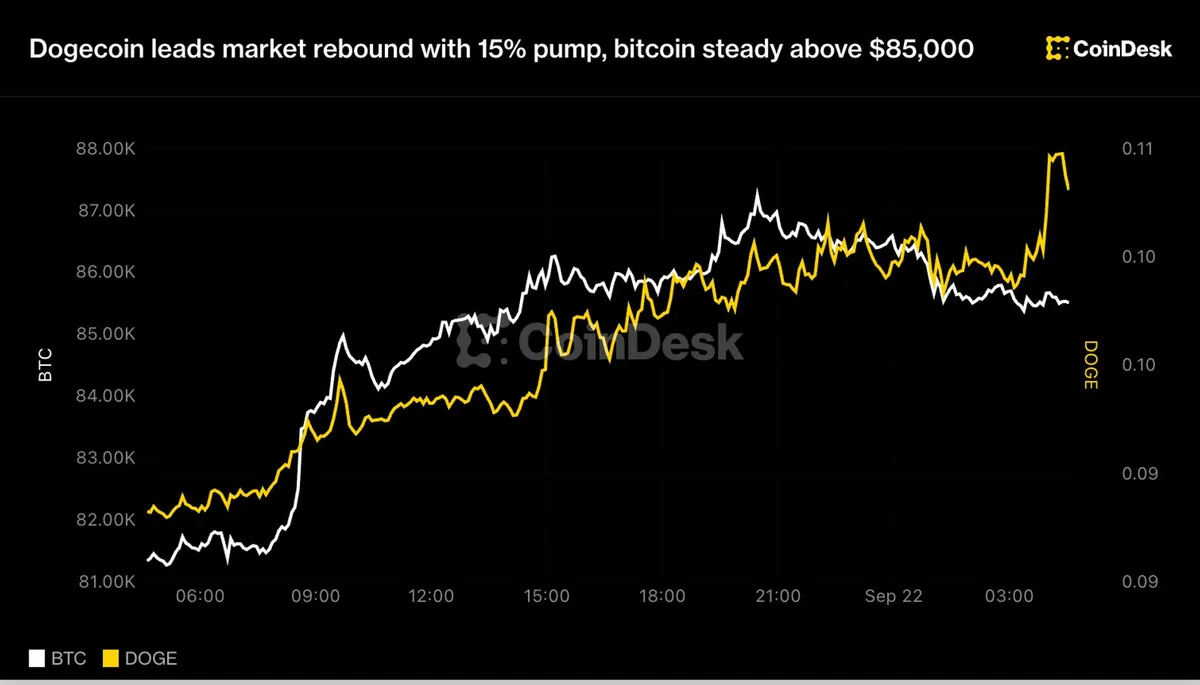
Dogecoin's 15% surge drives market recovery as bitcoin stabilizes above $85,000

Cardano adds tools for AI agent payments, joining Solana and XRP Ledger

Trueo prediction market moves from Base to Ethereum