Tether freezes over $500M of USDT in 30 days, BlockSec data shows

In a recent development, Tether has taken significant measures to enhance its compliance protocols by freezing over $500 million worth of USDT in just 30 days. According to data from BlockSec, this action involved the freezing of funds across 370 addresses on both the Ethereum and Tron blockchains. This comes on the heels of Tether's ongoing commitment to combat illicit activities associated with its stablecoin, bringing the total amount frozen in 2025 to an impressive $1.26 billion. These moves highlight Tether's proactive stance in ensuring the integrity of its operations and the broader cryptocurrency ecosystem.
To understand the gravity of this situation, we must consider the context surrounding Tether's operations. As one of the largest stablecoins by market capitalization, USDT plays an essential role in the cryptocurrency market, providing liquidity and facilitating trading. However, the stablecoin has faced scrutiny over its transparency and the backing of its reserves. In light of increasing regulatory pressures and the rising number of scams and fraudulent activities within the crypto space, Tether’s decision to freeze these funds reflects an urgent response to maintain trust among users and regulators alike.
The implications of Tether’s actions extend beyond just its internal policies; they resonate throughout the entire crypto market. By taking a firm stance against illicit activities, Tether aims to strengthen its reputation and reassure investors about the safety of their assets. A stablecoin's reliability is paramount for traders looking to hedge against volatility, and Tether's measures may help bolster confidence in USDT as a stable trading pair. However, the freezing of such significant amounts of USDT could also raise concerns about liquidity and accessibility for legitimate users who may be inadvertently affected.
Industry reactions to this news have been mixed, with many experts acknowledging Tether's efforts to combat crime while also cautioning about the potential risks of overreach. Some analysts argue that frequent fund freezes could deter new users from adopting USDT, as they might view it as a restrictive or unstable option. Others emphasize that these proactive measures may ultimately lead to a more secure trading environment, attracting institutional investors who prioritize compliance. The consensus seems to be that while Tether's actions are necessary, a careful balance must be struck to maintain user trust and market liquidity.
Looking ahead, it will be interesting to see how Tether continues to navigate this complex landscape. With regulatory scrutiny likely to intensify in the coming months, Tether may need to further refine its policies on fund freezes and transparency. Additionally, as the crypto market evolves, Tether's ability to adapt while maintaining its core principles will be crucial for its long-term success. The ongoing monitoring of frozen funds and their impact on market dynamics will undoubtedly remain a focal point for both investors and regulators alike.

CoinMagnetic Team
Crypto investors since 2017. We trade with our own money and test every exchange ourselves.
Updated: May 2026
From our insights:
Related news
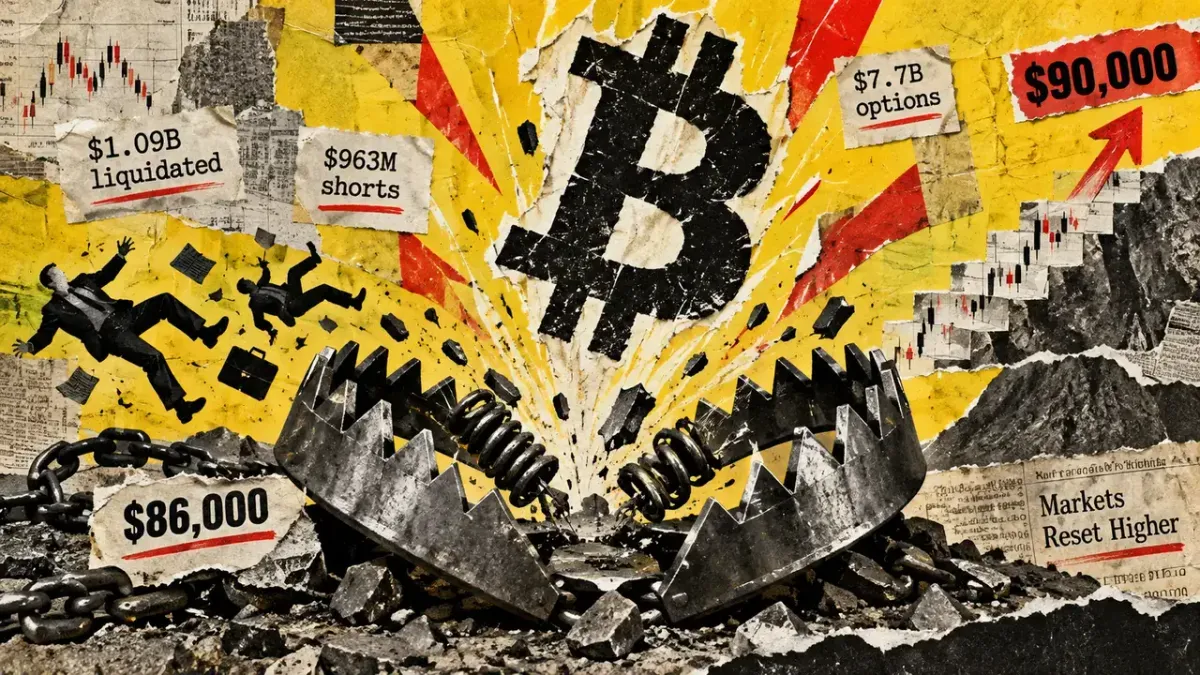
Bitcoin surges past $86,000 as $1 billion in shorts are liquidated, eyes on $90,000
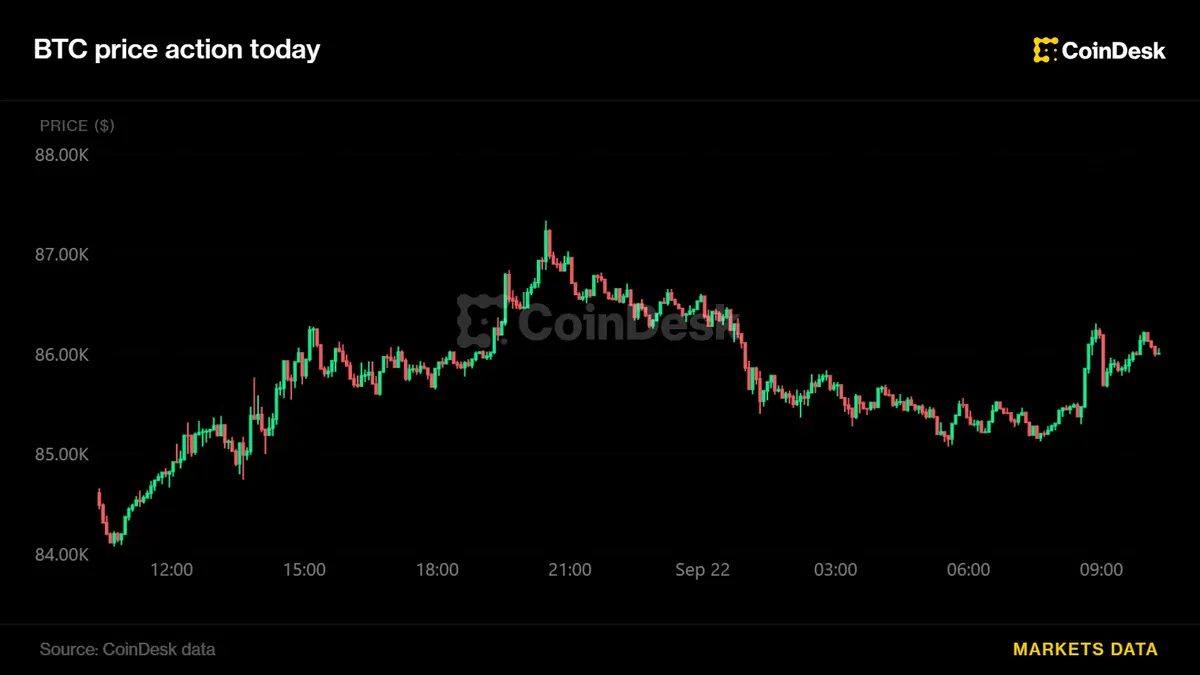
Bitcoin bounces back to $86,000 as oil prices decline and stocks rise

Prediction markets projected to reach $10 trillion by 2035, surpassing sports
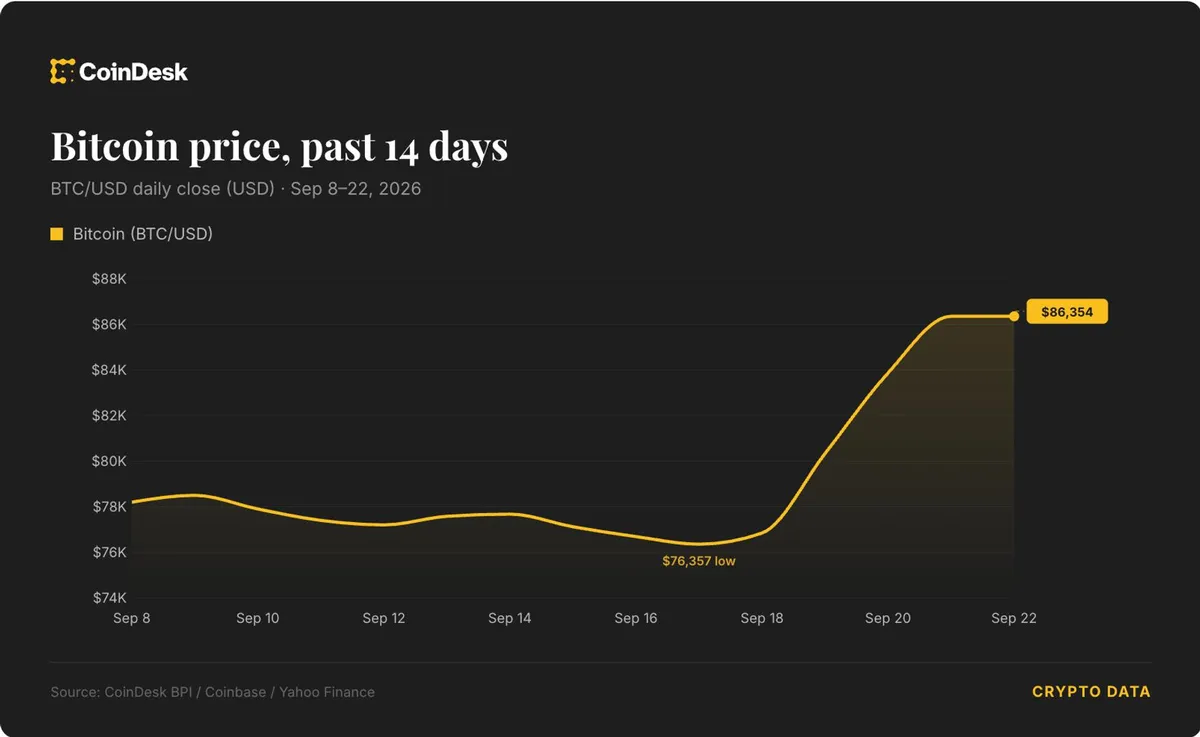
Iran hints at reopening Strait of Hormuz, WTI oil drops to $89

New altseason signal emerges as Bitcoin market cap stays under 60%