Tether, Binance and a $1.5 billion Iran oil network converge in new US forfeiture case
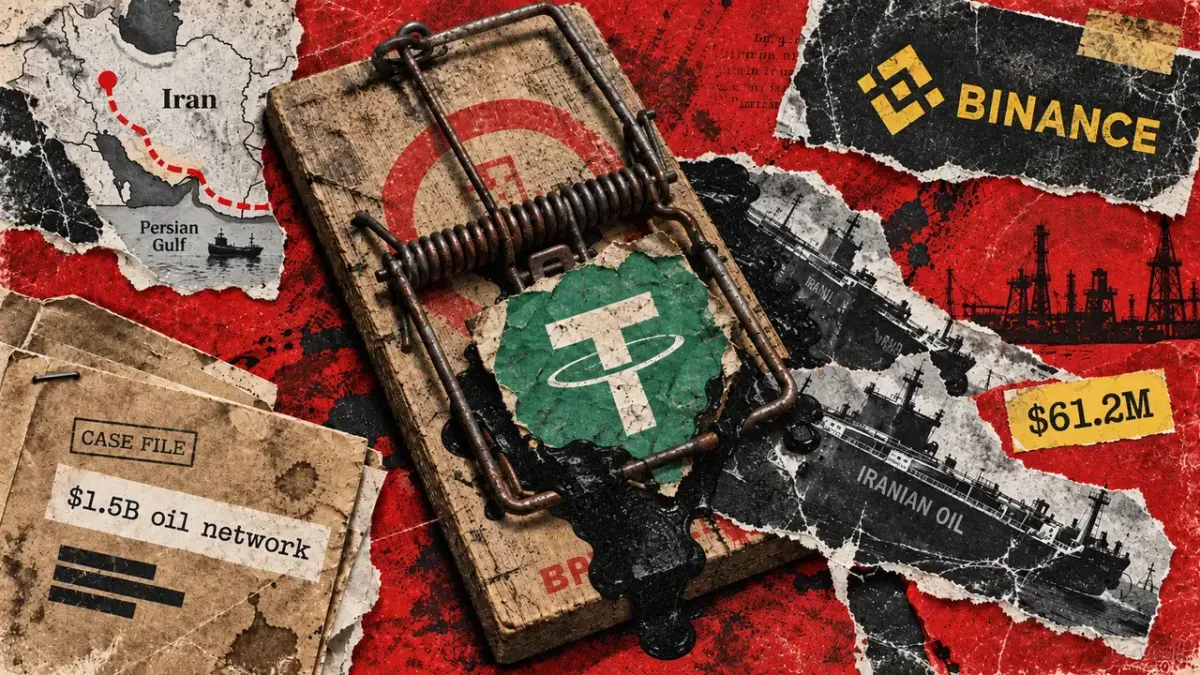
A recent US forfeiture case has drawn attention to the intersection of major cryptocurrency entities and a significant oil network tied to Iran. Filed on September 14, the complaint specifically targets ten Tron addresses that were frozen in 2025, highlighting a planned transfer of assets into the custody of the FBI. This case underscores the increasing scrutiny that cryptocurrency platforms face as regulatory agencies ramp up their efforts to combat illicit financial activities.
The backdrop to this case is the ongoing geopolitical tensions surrounding Iran and its oil industry. The $1.5 billion oil network in question has been under surveillance for its alleged connections to sanctions evasion and money laundering activities. As cryptocurrencies like Tether and Binance facilitate cross-border transactions, they become focal points for investigations related to sanctioned entities. This case illustrates the challenges regulators face in navigating the complexities of digital currencies while addressing national security concerns.
For the cryptocurrency market, this case could have significant implications. As regulators continue to scrutinize the relationships between digital asset platforms and sanctioned entities, it may lead to increased compliance requirements for exchanges and wallet providers. This heightened regulatory environment could impact user trust and participation in the crypto market, particularly among institutional investors who may be wary of potential legal repercussions.
Industry reactions to the case have been mixed, with some experts emphasizing the need for clearer regulatory frameworks to help cryptocurrency platforms navigate compliance issues. Others warn that without proper regulation, the risk of association with illicit activities could tarnish the reputation of the entire industry. The case serves as a reminder of the ongoing challenges that cryptocurrency firms face in ensuring their operations align with global financial regulations.
Looking ahead, it will be crucial to monitor how this case develops and what it may mean for the future of cryptocurrency regulation in the United States. If the US government pursues further actions against cryptocurrency platforms involved in similar situations, it could lead to a reshaping of the operational landscape for exchanges and a more cautious approach from users. The outcome of this forfeiture case could set important precedents for how the industry adapts to regulatory pressures moving forward.

CoinMagnetic Team
Crypto investors since 2017. We trade with our own money and test every exchange ourselves.
Updated: September 2026
From our insights:
Related news
Robinhood Engineers Charged With Fraud Over Alleged Crypto Listing Trades

Binance adds 11 US-listed ETFs to wealth management offering
Ark Invest reduces Circle stake by $14 million while adjusting Coinbase position
Coinbase workshop outlines steps to reduce quantum risks for Bitcoin exchanges
S&P Global boosts Series B funding for Kaiko to $110 million with key investors
