Tether funds Peso expansion to scale USDT payments across four Latin American nations
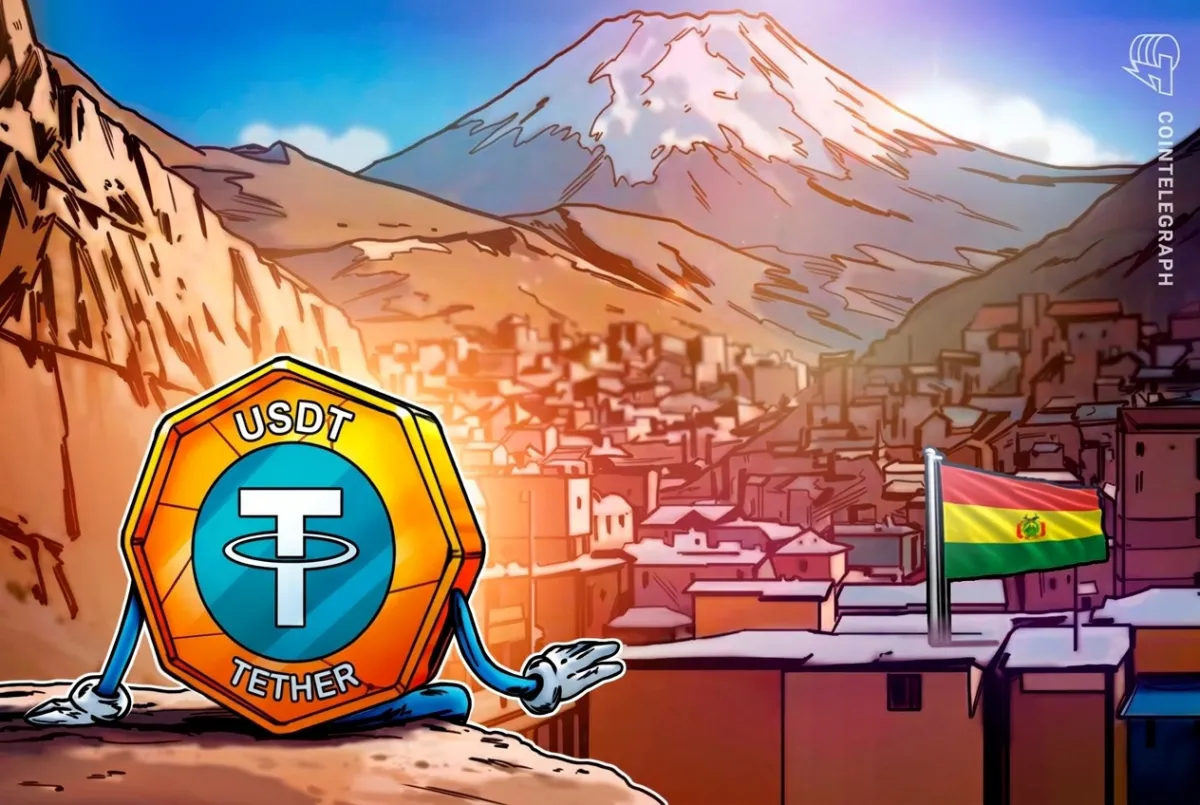
At CoinMagnetic, we are closely following Tether's latest strategic move in Latin America, where the stablecoin issuer has backed local fintech Peso to scale digital asset adoption. This investment is designed to accelerate Peso's expansion across four regional markets by integrating USDT directly into everyday financial services. Through this integration, users can leverage stablecoins for a variety of practical applications, ranging from digital food delivery services to traditional banking interactions. By bridging the gap between digital assets and fiat infrastructure, this initiative addresses a growing demand for reliable transactional tools in emerging economies.
To understand the significance of this development, it helps to look at the broader economic landscape in Latin America. High inflation rates and limited access to traditional banking services have historically driven populations toward alternative financial solutions. Stablecoins like USDT have increasingly served as a digital dollar alternative for citizens seeking to preserve their purchasing power. Peso has positioned itself within this ecosystem by building a bridge that connects stablecoin payments directly to merchant services and local banking networks, effectively removing friction for consumers who want to spend their digital holdings in the real economy.
For the broader crypto market, this partnership highlights the ongoing evolution of stablecoins from purely speculative trading instruments on exchanges into functional mediums of exchange. When major industry players like Tether invest in localized fintech infrastructure, it signals a maturing market where utility drives adoption rather than hype alone. Facilitating seamless transitions between USDT and local merchant rails creates a self-sustaining cycle of demand. As more businesses accept stablecoin payments through platforms like Peso, the barrier to entry for everyday users drops significantly, paving the way for broader mainstream acceptance.
Industry observers and fintech analysts have largely viewed the collaboration as a positive step for regional financial inclusion. Experts note that targeting high-frequency sectors like food delivery is a smart tactical choice because it normalizes microtransactions using digital assets. Rather than holding USDT strictly as a hedge against currency devaluation, consumers are now finding practical, daily use cases that integrate crypto into their routine expenses. This shift from passive holding to active spending is precisely what market participants have anticipated as the next phase of stablecoin growth.
Looking ahead, the success of Peso across its targeted markets will likely serve as a blueprint for similar ventures in other developing regions. As Tether continues to deploy capital into foundational projects, we expect to see further integration between blockchain networks and local banking systems globally. The key challenge for Peso and its backers will be navigating local regulatory frameworks while scaling operations efficiently. If they can maintain momentum, this initiative could fundamentally alter how digital currencies are utilized in daily commerce throughout Latin America.

CoinMagnetic Team
Crypto investors since 2017. We trade with our own money and test every exchange ourselves.
Updated: October 2026
From our insights:
Related news

Nvidia introduces OpenShell to let enterprises safely run autonomous AI agents

Mizuho survey shows 94 percent of Robinhood users want single-stock perpetual futures

OpenAI models discovered the PHP2Shell bug that forced government agencies offline
Bitcoin climbs toward $84,500 as broader digital asset markets reverse recent slides
MyDoge creator Jordan Jefferson leads new firm consolidating DOGE infrastructure