Tennessee Man Indicted for Alleged Crypto Ponzi Scheme That Stole Millions From Investors

A Tennessee man has been indicted on federal charges for allegedly orchestrating a Ponzi scheme that exploited the burgeoning interest in cryptocurrencies. Operating from 2020 to 2024, the individual reportedly defrauded investors out of millions of dollars by promising high returns through a cryptocurrency investment platform. Authorities allege that instead of generating profits as promised, he used new investors' funds to pay returns to earlier investors, thus perpetuating the scheme. This case highlights the ongoing challenges that regulators face in monitoring and policing fraudulent activities within the fast-evolving crypto landscape.
The indictment comes amid a backdrop of increased scrutiny on cryptocurrency investments and the rise of Ponzi schemes that leverage digital assets. As the crypto market has gained traction over the past few years, it has become an attractive target for scammers seeking to take advantage of unsuspecting investors. The rapid pace of innovation in the blockchain space, coupled with often vague regulatory frameworks, has made it difficult for many investors to discern legitimate opportunities from scams. This case serves as a reminder of the risks involved in unregulated investment ventures, particularly in the crypto sector.
This indictment is significant for the market as it underscores the necessity for robust regulatory frameworks to protect investors. The continued emergence of fraudulent schemes can undermine trust in legitimate cryptocurrency ventures and hinder the overall growth of the market. Investors may become increasingly wary, impacting their willingness to engage in new projects or invest in emerging technologies. As regulators ramp up their efforts to combat fraud, we can expect a shift in how such investments are perceived and approached by the public.
Industry reactions to the indictment have been mixed, with some experts advocating for more stringent regulations to safeguard investors. They argue that clearer guidelines could help deter fraudulent activities and foster a more secure ecosystem for all participants. Others, however, caution against overregulation, which could stifle innovation and drive legitimate projects away from the United States. This debate is likely to intensify as more cases of fraud emerge, prompting calls for a balanced approach that protects investors while still encouraging growth in the sector.
Looking ahead, the outcome of this case could set a precedent for future prosecutions of similar schemes. As the regulatory landscape continues to evolve, we may see increased collaboration between federal agencies and local law enforcement to tackle crypto-related fraud more effectively. Investors should remain vigilant and conduct thorough due diligence when considering any investment opportunity, particularly in the cryptocurrency space, where the allure of high returns can sometimes cloud judgment. The resolution of this case will likely influence both regulatory actions and investor sentiment in the months to come.

CoinMagnetic Team
Crypto investors since 2017. We trade with our own money and test every exchange ourselves.
Updated: June 2026
From our insights:
Related news
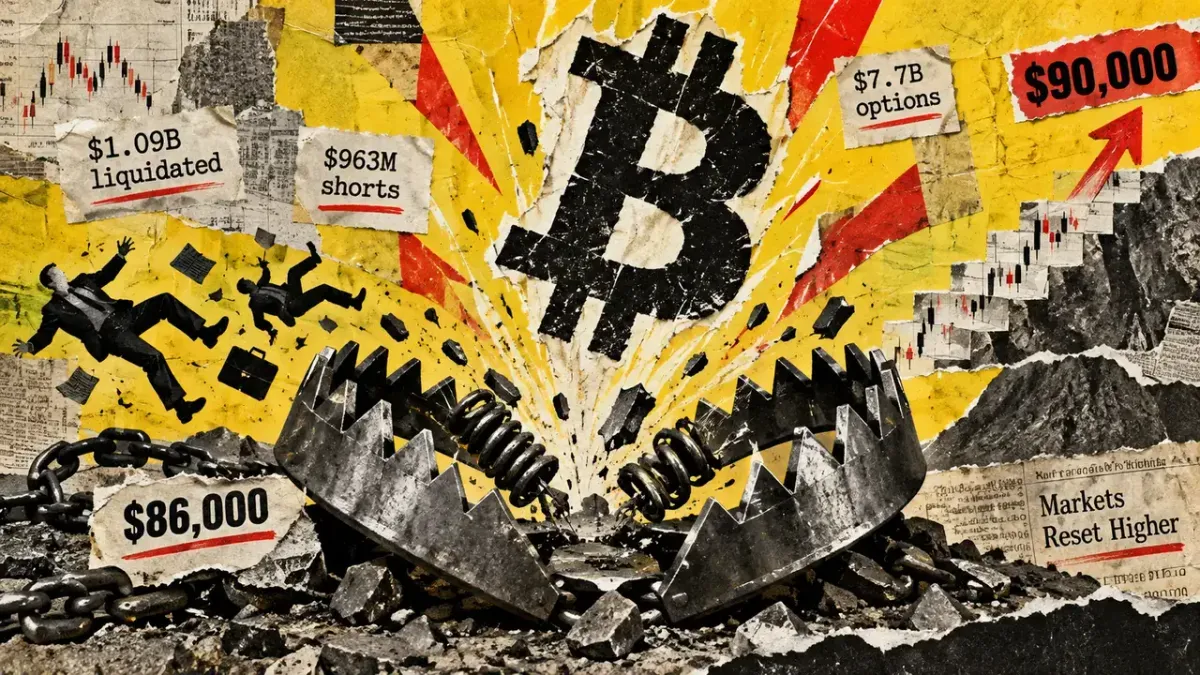
Bitcoin surges past $86,000 as $1 billion in shorts are liquidated, eyes on $90,000
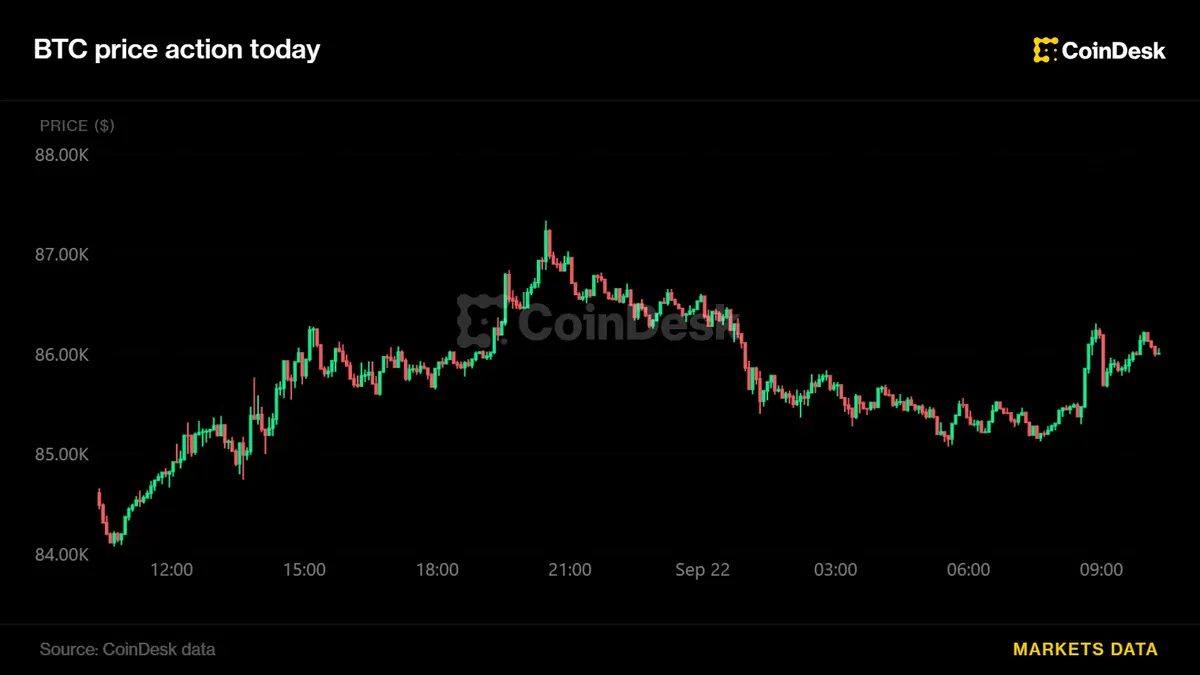
Bitcoin bounces back to $86,000 as oil prices decline and stocks rise

Prediction markets projected to reach $10 trillion by 2035, surpassing sports
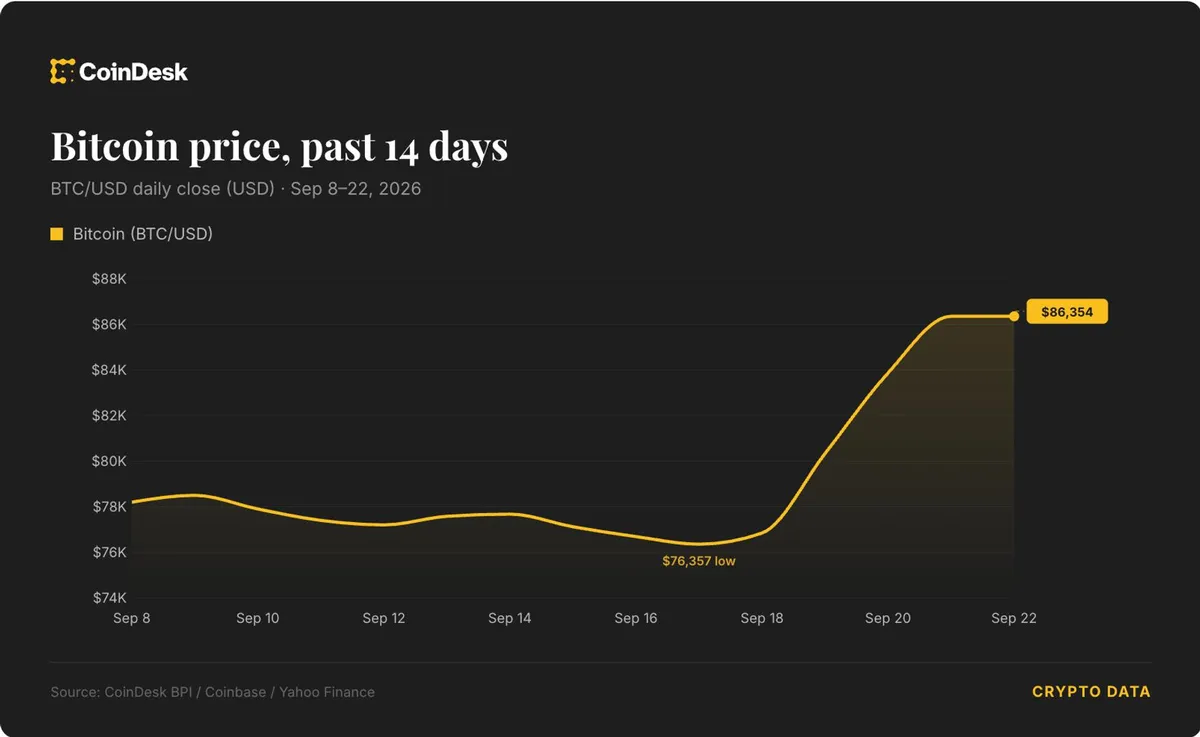
Iran hints at reopening Strait of Hormuz, WTI oil drops to $89

New altseason signal emerges as Bitcoin market cap stays under 60%