Telegram founder Pavel Durov internationally wanted, Russia’s FSB says
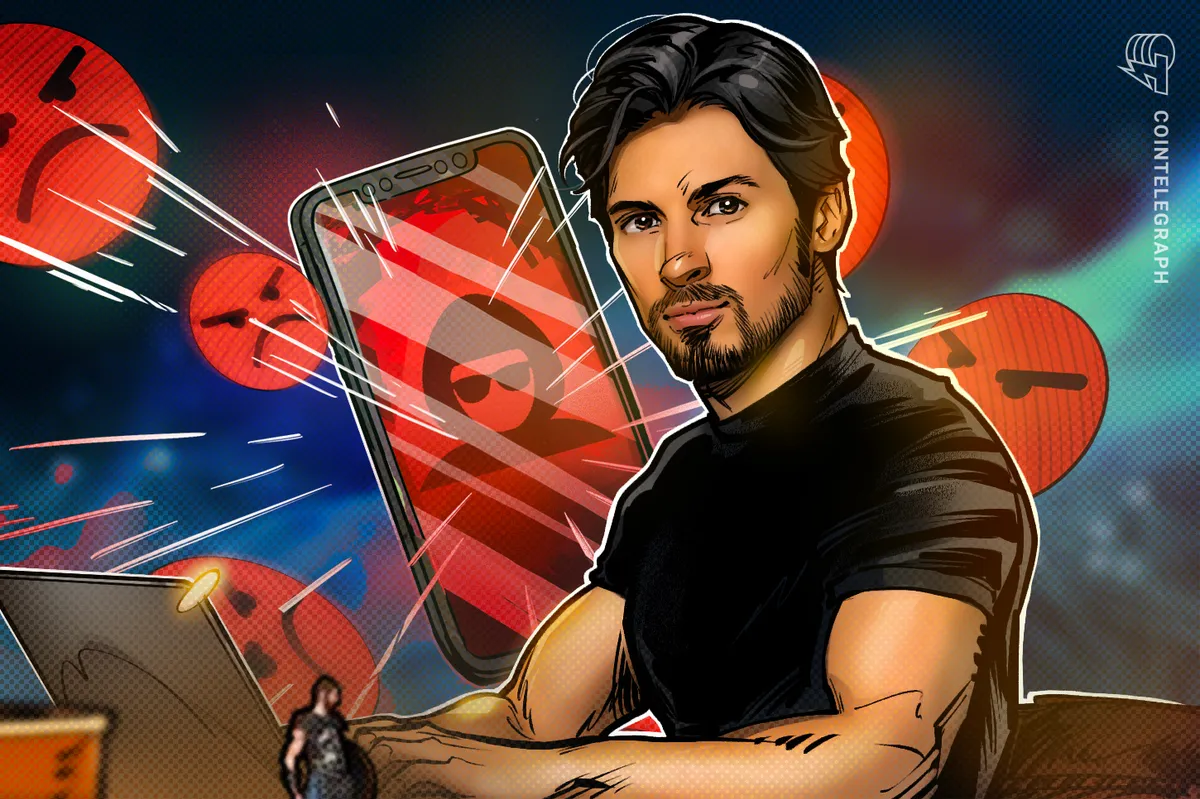
Pavel Durov, the founder of the popular messaging app Telegram, has reportedly been declared internationally wanted by Russia's Federal Security Service (FSB). The agency has issued a statement alleging that Durov is facing a terrorism-related charge, although specific details about the nature of the accusations have not been disclosed. This move marks a significant escalation in the ongoing tensions between Durov and the Russian government, which has long sought to regulate and control online communication platforms. In addition to the Russian warrant, it has been reported that there is an open case against Durov in France, adding an international dimension to the situation.
Durov, who has been vocal about his commitment to privacy and free speech, has had a tumultuous relationship with the Russian authorities. He previously faced pressure to comply with government demands for user data and content moderation, which he resisted, leading to his eventual exile from Russia in 2014. Since then, he has positioned Telegram as a bastion of privacy and security, appealing to users who value encrypted communication. The FSB's latest move is a reflection of the ongoing crackdown on dissenting voices and platforms that facilitate free expression within Russia.
This development is particularly significant for the broader market, as it underscores the increasing risks faced by tech entrepreneurs and digital platforms in authoritarian regimes. As governments around the world grapple with the implications of decentralized communications and cryptocurrencies, the actions taken against Durov could set a precedent for how similar cases are handled in the future. Investors and stakeholders in the tech and crypto industries are closely observing the situation, as it may influence regulatory approaches in other jurisdictions and impact the development of privacy-focused technologies.
Industry reactions have been mixed, with some experts expressing concern over the implications for digital privacy and freedom of speech. Many in the tech community see Durov’s predicament as a cautionary tale about the vulnerabilities faced by tech innovators who prioritize user privacy in environments hostile to such values. Others argue that the situation highlights the need for stronger international coalitions to protect digital rights and support individuals facing persecution for their work in technology and communication.
Looking ahead, the international arrest warrant poses a critical challenge for Durov, who has not returned to Russia since his departure nearly a decade ago. It remains to be seen how this situation will unfold, especially with the separate French case still open. The global tech community will likely continue to rally around Durov, advocating for his rights and emphasizing the importance of protecting free speech and privacy in the digital age. As the landscape of digital communication continues to evolve, the outcomes of this situation could have lasting implications for both users and developers in the space.

CoinMagnetic Team
Crypto investors since 2017. We trade with our own money and test every exchange ourselves.
Updated: July 2026
From our insights:
Related news

Dormant bitcoin supply shifts reveal the early stages of a strong market rally
Investor predicting AI boom now sees bitcoin reaching $57,000
Galaxy points to ETF demand and US debt as drivers for bitcoin accumulation

StoneX sees 34 percent upside for Strive after fresh equity bolsters reserves

OpenAI drops GPT-6.1 Terra prices by 50% while improving app control