TD Cowen says Trump’s CFTC prediction markets post unlikely to change legal fight

Recent commentary from TD Cowen suggests that the ongoing legal battle over prediction markets may ultimately find its resolution in the hands of the Supreme Court. Following former President Donald Trump's recent post regarding the topic, the firm posited that while his remarks may have garnered attention, they are unlikely to significantly influence the legal landscape surrounding prediction markets. The complexities of these markets, particularly in relation to state and federal regulations, continue to pose challenges as stakeholders await a clearer legal framework.
To understand the current situation, it's essential to recognize the historical context surrounding prediction markets. These platforms allow individuals to place bets on the outcomes of future events, including political elections and economic developments. However, the legal standing of such markets has been murky, with various states imposing their own regulations. The CFTC (Commodity Futures Trading Commission) has also been involved in the discussions, but its authority in this area remains contested. As a result, the future of prediction markets hangs in a precarious balance, with state regulations currently holding sway.
The implications of this ongoing legal struggle are significant for the broader market. As TD Cowen pointed out, the potential involvement of the Supreme Court could either clarify or further complicate the regulatory landscape. Should the court decide to take up the issue, it might establish a precedent that could either promote or stifle the growth of prediction markets. This uncertainty can affect investor confidence and participation in these markets, which have been gaining traction in recent years.
Industry reactions to these developments have been mixed. Some experts believe that Trump's comments could ignite renewed interest in prediction markets, potentially pressuring lawmakers to reconsider existing regulations. Others, however, remain skeptical, emphasizing that the legal complexities are too entrenched for a simple change in discourse to lead to meaningful reform. Overall, stakeholders are closely monitoring the situation, aware that any shift could have far-reaching consequences for the market.
Looking ahead, it appears that the future of prediction markets will largely hinge on the actions of the Supreme Court and the evolving regulatory environment. As legal battles continue to unfold, the industry remains in a state of flux, with participants eager for clarity. The coming months may prove crucial, as stakeholders prepare for potential shifts in policy that could either enable or restrict the growth of prediction markets in the United States.

CoinMagnetic Team
Crypto investors since 2017. We trade with our own money and test every exchange ourselves.
Updated: May 2026
From our insights:
Related news

US investigates Binance for potential Iran-linked trading violations
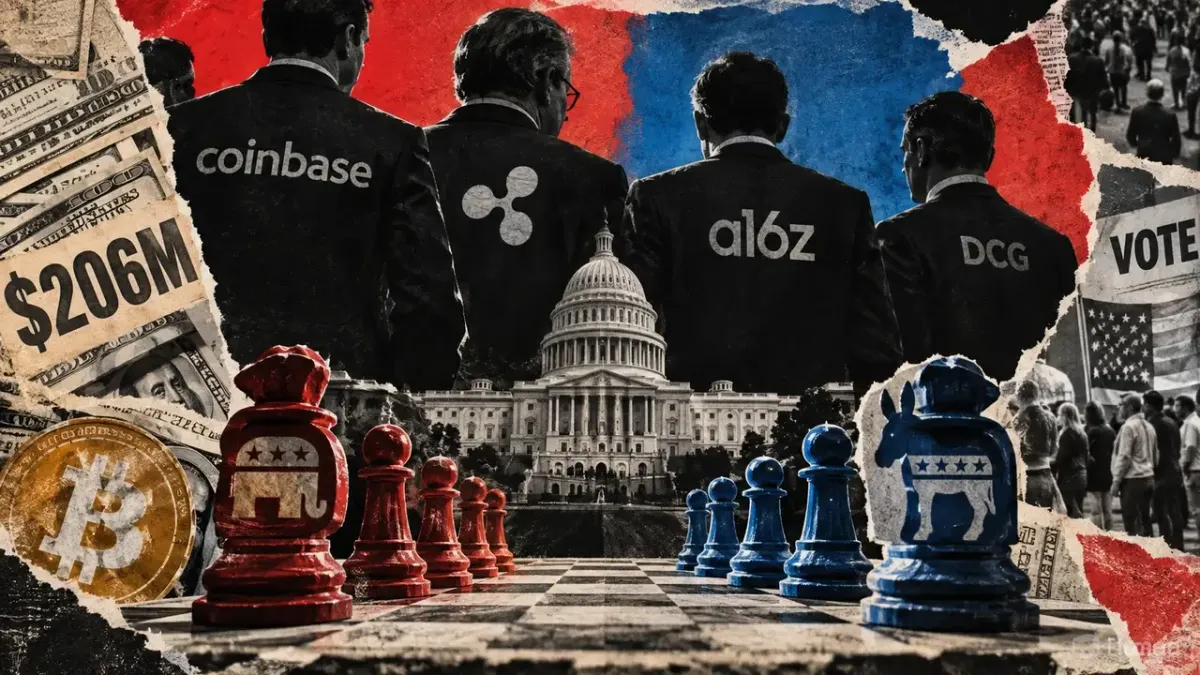
Crypto sector emerges as top donor with $206 million in midterms backing
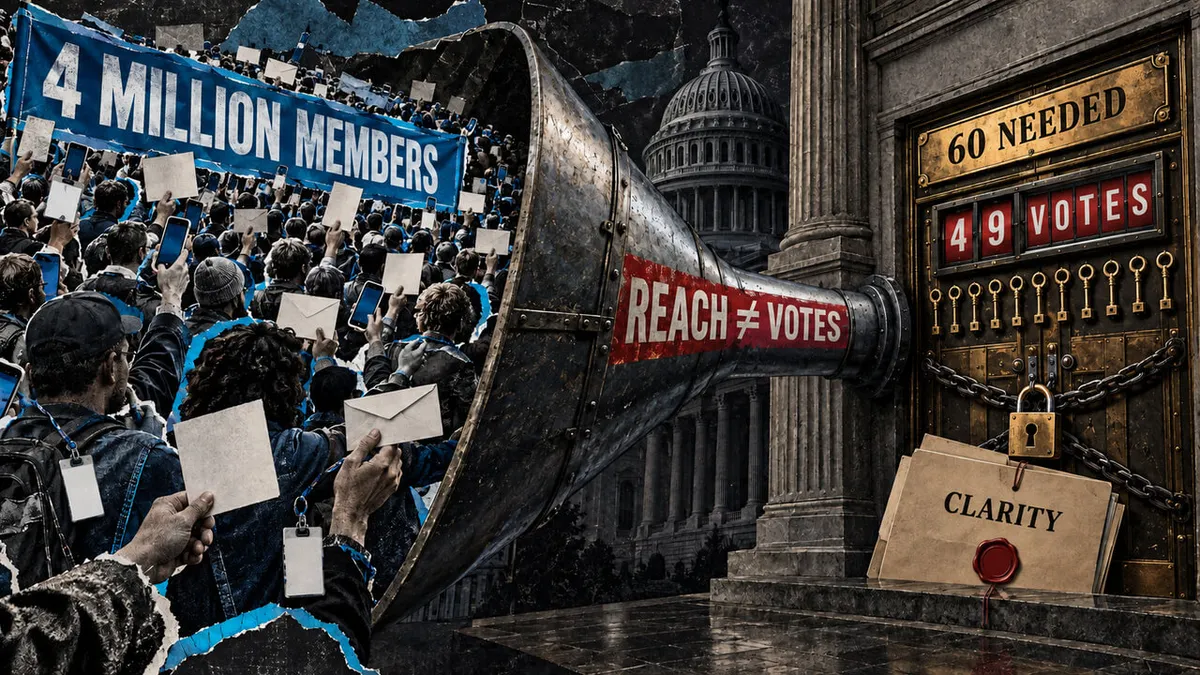
Stand With Crypto’s 4 million registered advocates couldn’t get the CLARITY Act through the Senate

Kakao Pay, KakaoBank to explore stablecoin opportunities with Fireblocks

US Attorney's investigation into Binance focuses on Iran sanctions compliance