Tax evaders are trying ‘novel digital assets’ to dodge authorities: Chainalysis

Italian authorities have recently uncovered a significant tax evasion scheme involving the use of Bitcoin Ordinals and the BRC-20 token standard. According to findings from blockchain analysis firm Chainalysis, an individual allegedly manipulated these novel digital assets to generate and conceal $1.1 million in taxable income. This case highlights how tax evaders are increasingly turning to emerging blockchain technologies to exploit loopholes and evade scrutiny from tax authorities. The use of innovative digital assets like BRC-20 tokens presents unique challenges for regulators, as these assets are often less understood and harder to track than traditional cryptocurrencies.
The rise of Bitcoin Ordinals and the BRC-20 token standard represents a broader trend within the cryptocurrency landscape, where new protocols and standards are being developed at a rapid pace. Ordinals allow users to inscribe data onto individual satoshis, creating unique digital artifacts that can hold significant value. Meanwhile, the BRC-20 standard, which is designed for creating fungible tokens on the Bitcoin blockchain, is gaining traction. As these technologies evolve, they can potentially be exploited to circumvent existing financial regulations, including tax obligations. This recent case serves as a reminder of the pressing need for regulatory frameworks that can keep pace with technological advancements.
This incident is significant for the cryptocurrency market as it underscores the ongoing battle between innovation and regulation. Tax authorities worldwide are grappling with how to adapt to the rapidly changing landscape of digital assets, and cases of tax evasion like this one could lead to more stringent regulations. If authorities find that these new digital asset protocols are being widely used for illicit activities, we might see a push for clearer guidelines and stricter enforcement mechanisms. This could affect how investors and developers approach these technologies, potentially stifling innovation or driving it underground.
Industry reactions to the Chainalysis report have been mixed. Some experts have expressed concern that the misuse of new technologies for tax evasion could tarnish the reputation of the broader cryptocurrency ecosystem. Others see this as a natural growing pain as the industry matures, suggesting that such incidents could prompt regulators to establish clearer rules that ultimately benefit legitimate users. There is also a call for better education around compliance and best practices to help prevent misuse of innovative technologies in the future.
Looking ahead, we can expect regulators to examine this case closely as they formulate responses to the evolving landscape of digital assets. It may lead to increased scrutiny on token standards like BRC-20 and the practices surrounding them. Additionally, as more instances of tax evasion come to light, we might see a concerted effort from authorities to enhance their capabilities for tracking and regulating digital assets. As the industry continues to innovate, striking a balance between fostering growth and ensuring compliance will be a pivotal challenge for both regulators and participants in the crypto market.

CoinMagnetic Team
Crypto investors since 2017. We trade with our own money and test every exchange ourselves.
Updated: May 2026
From our insights:
Related news

Bitcoin's weekly close above $81,000 signals potential rise to $90,000

Elon Musk's X integrates bitcoin trading options for U.S. users
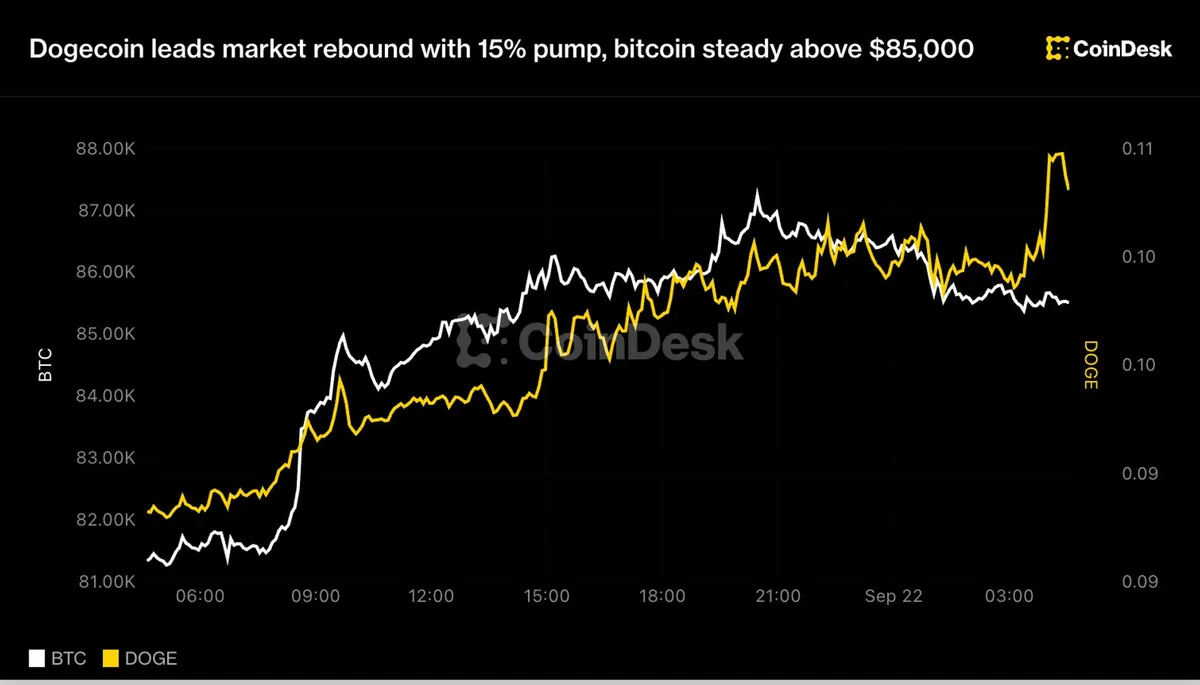
Dogecoin's 15% surge drives market recovery as bitcoin stabilizes above $85,000

Cardano adds tools for AI agent payments, joining Solana and XRP Ledger

Trueo prediction market moves from Base to Ethereum