Taiwan’s sweeping crypto law raises the bar with licensing, reserve mandates, and tough penalties

Taiwan has recently made headlines by passing a comprehensive new law aimed at regulating its burgeoning crypto sector. This legislation, which is now awaiting the President's final approval, introduces a range of robust measures designed to ensure the integrity and security of the digital asset market in the region. Key provisions of the law include stringent licensing requirements for cryptocurrency exchanges, mandates for reserve management, and the establishment of tough penalties for non-compliance. The move signifies a significant step toward creating a more structured and transparent environment for crypto operations in Taiwan.
To understand the significance of this law, it is essential to look at the context in which it was developed. Taiwan has been grappling with the rapid growth of the cryptocurrency market, which has raised concerns over consumer protection, financial stability, and illicit activities. Regulatory frameworks in other jurisdictions have often been reactive, leading to a patchwork of regulations that vary widely. Taiwan's new legislation appears to take a proactive approach, aiming to preemptively address potential risks while promoting innovation within the crypto space. This law positions Taiwan as a forward-thinking player in the global crypto landscape, reflecting a growing trend among nations to establish clear regulatory frameworks.
The implications of Taiwan's new law for the market are profound. As the country implements these regulations, it is likely to provide a clearer operational framework for crypto businesses, which could attract both local and international players looking for stability and security. Investors may also find renewed confidence in the market, knowing there are safeguards and accountability measures in place. Moreover, this regulatory clarity could help Taiwan enhance its reputation as a crypto-friendly jurisdiction, potentially drawing more investment and innovation to the region.
Industry reactions to the law have been largely positive, with many experts acknowledging the need for comprehensive regulations in the crypto sector. Some have expressed optimism that these measures could lead to a more mature market, reducing the risks of fraud and financial instability. However, there are also concerns that overly stringent regulations could stifle innovation and deter startups from entering the market. Balancing regulatory oversight with the need for a dynamic and innovative crypto ecosystem will be crucial as Taiwan moves forward with the implementation of this law.
Looking ahead, the successful passage of this legislation may set a precedent for other countries grappling with similar challenges in the crypto space. As Taiwan embarks on this regulatory journey, it will be interesting to observe how the law is enforced and how the industry adapts to these new requirements. Stakeholders will be closely monitoring the developments to assess whether this approach can effectively foster a secure and thriving crypto environment while maintaining the spirit of innovation that is at the heart of the blockchain and cryptocurrency movements.

CoinMagnetic Team
Crypto investors since 2017. We trade with our own money and test every exchange ourselves.
Updated: July 2026
From our insights:
Related news

Robinhood expands trading hours and adds AI tools to attract active traders

Anthropic aims for $2 trillion IPO after $42 billion loss, revenue up twelvefold
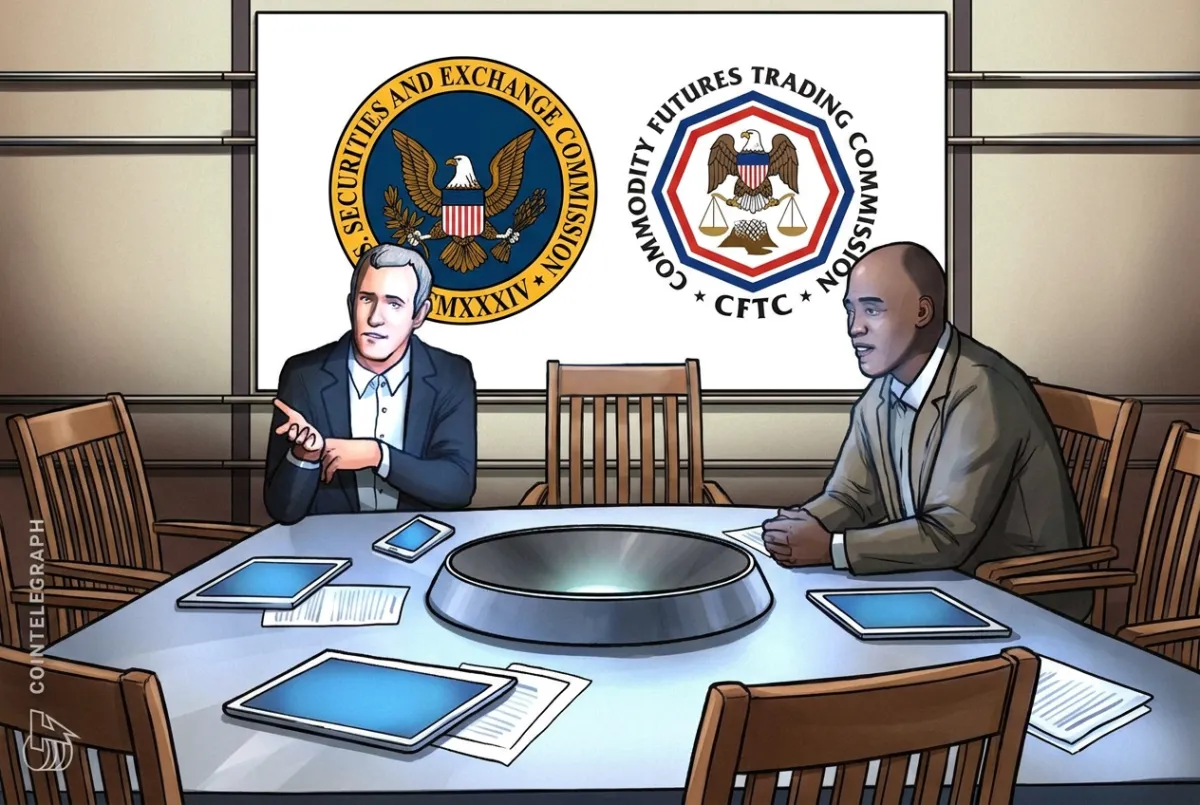
SEC and CFTC face critical leadership void as seven commissioner seats go empty

Kakaopay partners with Dinari, Ondo to explore tokenized Korean stocks

Tim Scott criticizes Democrats for abandoning the Clarity Act