Swan CEO claims Twenty One serves Tether’s US political interests, calls Mallers’ role ‘ceremonial’

In a recent statement, Cory Klippsten, the CEO of Swan Bitcoin, has made headlines by asserting that Twenty One Capital operates primarily to further Tether’s political interests in the United States. According to Klippsten, the firm serves as a strategic entity that allows Tether to effectively influence political landscapes, particularly when it comes to regulations that could impact the cryptocurrency industry. He described the role of Jack Mallers, a prominent figure in the crypto scene and a founder of Strike, as merely "ceremonial," suggesting that Mallers' influence may not extend far beyond optics.
To better understand the implications of Klippsten's comments, it is essential to consider the backdrop of the ongoing regulatory discussions surrounding stablecoins and cryptocurrencies in the U.S. Tether, as one of the largest stablecoin issuers, has long been under scrutiny regarding its reserves and transparency. The establishment of Twenty One Capital was viewed by many as a move to enhance Tether's lobbying efforts, especially given the increasing regulatory pressure. Klippsten's remarks shine a light on the potential motivations behind the formation of such entities, raising questions about the intersection of finance and politics.
The significance of these claims cannot be overstated, as they highlight the complex relationship between cryptocurrency firms and regulatory bodies. Tether's ability to navigate political landscapes could have profound implications for the broader crypto market, as favorable regulations could lead to increased adoption and integration of cryptocurrencies into traditional financial systems. Conversely, any negative backlash could result in stifling regulations that may hinder innovation and growth in the sector.
Reactions from the industry have been mixed. Some experts agree with Klippsten, suggesting that the influence of politically-connected entities like Twenty One Capital could reshape the regulatory environment in ways that benefit major players like Tether. Others, however, argue that such claims might be overstated, indicating that many firms are working diligently to comply with regulations rather than seeking to manipulate them. The ongoing discourse reflects the diverse perspectives within the crypto community regarding the role of lobbying and the ethics of political engagement.
Looking ahead, it will be crucial to monitor how Tether and Twenty One Capital navigate the evolving regulatory landscape. As discussions about stablecoin regulation continue to unfold, the actions of these entities may serve as a bellwether for the broader market. The implications of Klippsten's assertions could resonate far beyond Tether itself, influencing how other cryptocurrency firms approach their political engagements and lobbying strategies in the future. The interplay between politics and cryptocurrencies is likely to remain a focal point as the industry evolves.

CoinMagnetic Team
Crypto investors since 2017. We trade with our own money and test every exchange ourselves.
Updated: July 2026
From our insights:
Related news

XRP Ledger bug fix delayed to November following a validator support drop
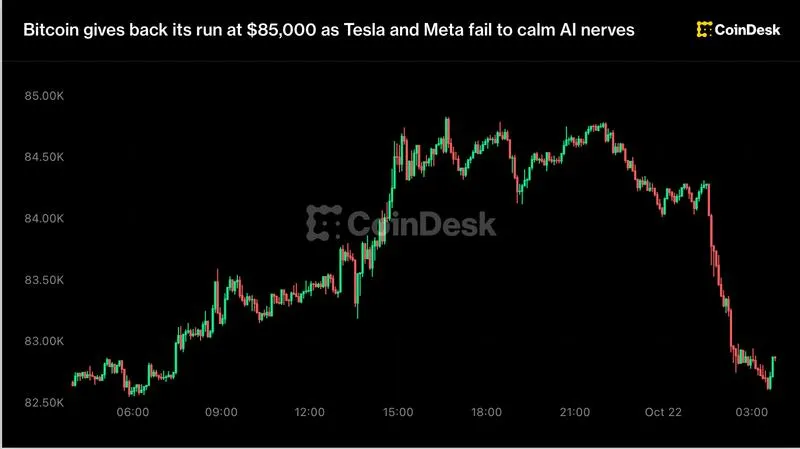
Tech equity drops drag bitcoin down from its brief push past $84,000

Aerodrome and Velodrome unite to introduce Aero on seven blockchains

Citadel founder Ken Griffin warns AI chip glut mirrors empty airline seats

Tether funds Peso expansion to scale USDT payments across four Latin American nations