Succinct launches iPhone app to cryptographically verify photos

Succinct has taken a significant step in the realm of digital media integrity with the launch of its new iPhone app, Zcam. This innovative application is designed to cryptographically sign photos and videos at the moment of capture, thereby creating a verifiable proof of authenticity. As the proliferation of artificial intelligence tools continues to blur the lines between genuine and manipulated media, Zcam aims to provide users with a reliable way to establish the provenance of their visual content. This app not only caters to individual users seeking to safeguard their memories but also has potential implications for industries where media authenticity is critical, such as journalism, law enforcement, and social media.
The notion of verifying the authenticity of digital media has garnered increasing attention in recent years, especially amid the rapid advancements in AI-generated content. As deepfakes and other forms of media manipulation become more sophisticated, the need for tools that can authenticate images and videos has never been more urgent. Succinct’s Zcam app emerges against this backdrop, responding to a growing demand for solutions that can help combat misinformation and restore trust in visual media. By leveraging cryptographic techniques, the app provides a level of assurance that can be particularly valuable in an era where skepticism towards digital content is on the rise.
The introduction of Zcam is poised to have a meaningful impact on the market, especially within the tech and media sectors. As consumers become more aware of the potential for manipulation, they may gravitate towards tools that enhance their ability to validate the authenticity of the content they consume and share. This shift could encourage greater adoption of cryptographic verification methods across various platforms and applications, ultimately fostering a more trustworthy digital environment. Furthermore, as businesses and organizations seek to maintain credibility, the implementation of solutions like Zcam may become a standard practice to ensure the integrity of their visual communications.
Reactions from industry experts have been largely positive, with many recognizing the app as a timely and necessary innovation. Commentators have pointed out that Zcam addresses a critical gap in the market, particularly as concerns about misinformation continue to escalate. Some experts have emphasized that the app could serve as a model for future developments in digital media verification, potentially inspiring other companies to explore similar solutions. By establishing a method for authenticating media at the source, Succinct is not only enhancing individual user experience but also contributing to a broader effort to combat the negative ramifications of digital manipulation.
Looking ahead, we can anticipate that the release of Zcam may prompt further innovations in the field of media authenticity. As more users adopt the app and its capabilities become widely recognized, we may see an increased push for similar technologies across different platforms. Additionally, collaborations between tech companies, media organizations, and regulatory bodies could emerge, aimed at creating a more robust framework for verifying digital content. The conversation around media integrity is likely to evolve, and tools like Zcam will play a pivotal role in shaping the future landscape of digital media verification.

CoinMagnetic Team
Crypto investors since 2017. We trade with our own money and test every exchange ourselves.
Updated: April 2026
From our insights:
Related news
SoFi begins stablecoin settlement on Mastercard network for program expected to exceed $25 billion in annualized volume

A $3.2 million 'bitcoin butterfly' option trade bets on $95,000 by the end of October

Bitcoin surges past $86,000 as $1 billion in shorts are liquidated, eyes on $90,000
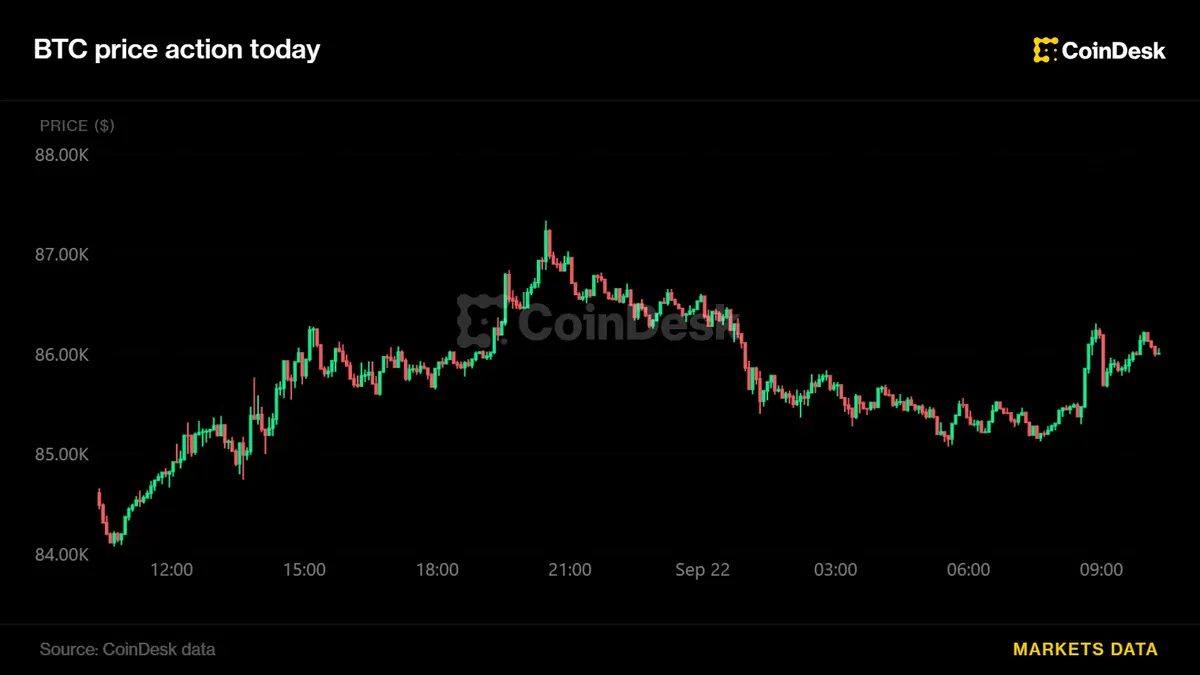
Bitcoin bounces back to $86,000 as oil prices decline and stocks rise

Prediction markets projected to reach $10 trillion by 2035, surpassing sports