Strive CIO says prolonged bitcoin weakness could drive treasury firm consolidation

In recent comments, Ben Werkman, Chief Investment Officer at Strive, highlighted the potential implications of sustained weakness in Bitcoin prices on the treasury sector within the cryptocurrency market. Werkman noted that if Bitcoin continues to underperform, it could create significant financial strain for treasury firms that have relied on convertible debt financing. This reliance on such financing methods may leave these companies vulnerable to liquidity issues, ultimately pushing them towards consolidation as they seek to stabilize their operations in a challenging environment.
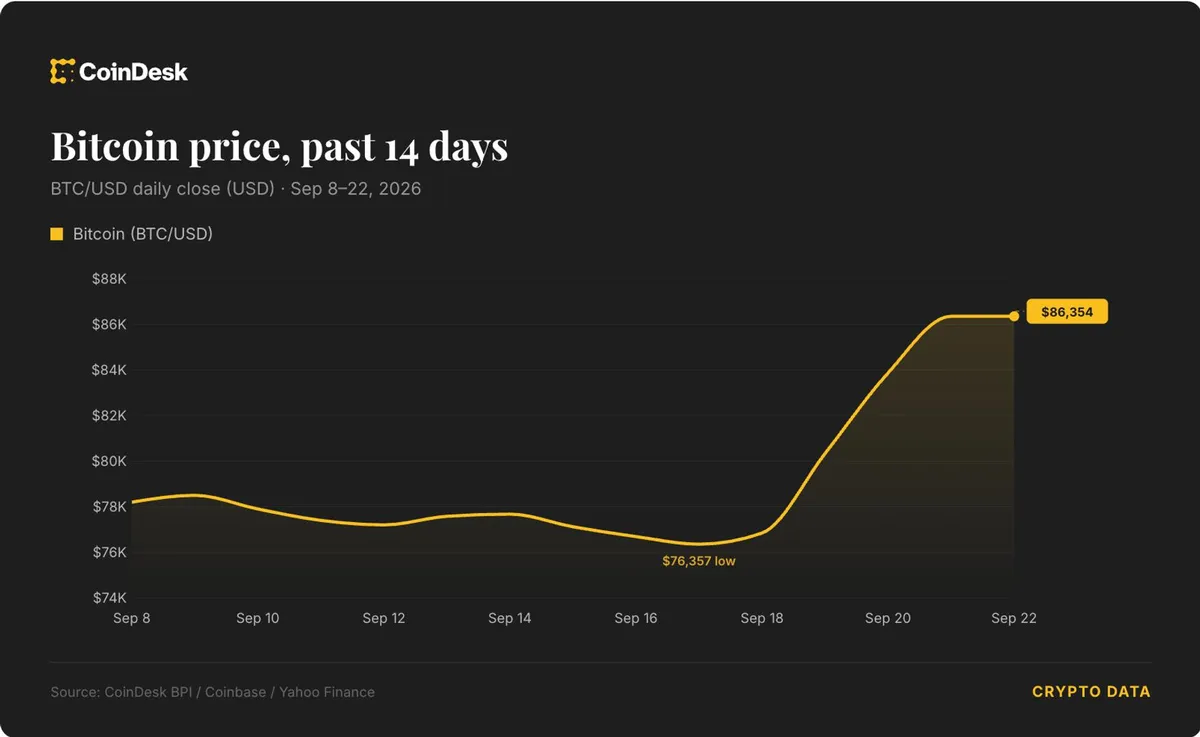
To understand this situation better, it's crucial to consider the broader context of the cryptocurrency market and its inherent volatility. Bitcoin, often viewed as a bellwether for the entire crypto ecosystem, has experienced significant price fluctuations over the past few months. These fluctuations have made it increasingly difficult for treasury firms–entities that manage and invest a company's cash reserves–to operate effectively. Many of these firms have adopted aggressive financing strategies, particularly those involving convertible debt, which can amplify risks in a bearish market scenario.
The implications of prolonged Bitcoin weakness extend beyond individual firms; they could signal broader shifts within the crypto treasury landscape. If several companies face financial distress simultaneously, it could lead to a wave of mergers and acquisitions as healthier entities look to acquire distressed assets at lower valuations. This consolidation could result in a more concentrated market, potentially affecting competition and innovation within the sector. Investors and stakeholders should pay close attention to how these dynamics unfold, as they could reshape the landscape of treasury management in the cryptocurrency space.
Industry experts have expressed mixed views regarding Werkman's assessment. Some believe that continued Bitcoin weakness will indeed pressure treasury firms, leading to necessary consolidations that could ultimately strengthen the remaining players. Others argue that the crypto market has demonstrated resilience in the past, suggesting that firms may find ways to adapt rather than succumb to financial pressures. The debate continues as analysts monitor market conditions and firm strategies closely, hoping to predict the next steps in this evolving narrative.
Looking ahead, the potential for consolidation in the treasury sector raises important questions about the future of cryptocurrency investments and funding strategies. If firms begin to merge or acquire one another, we may see a shift in the types of projects that receive funding and the overall risk appetite of investors. The coming months will be critical as the market navigates these challenges, and we anticipate that developments will unfold rapidly as firms adapt to the pressures of a changing economic landscape.

CoinMagnetic Team
Crypto investors since 2017. We trade with our own money and test every exchange ourselves.
Updated: June 2026
From our insights:
Related news

SoFi begins stablecoin settlement on Mastercard network for program expected to exceed $25 billion in annualized volume
A $3.2 million 'bitcoin butterfly' option trade bets on $95,000 by the end of October

Bitcoin surges past $86,000 as $1 billion in shorts are liquidated, eyes on $90,000
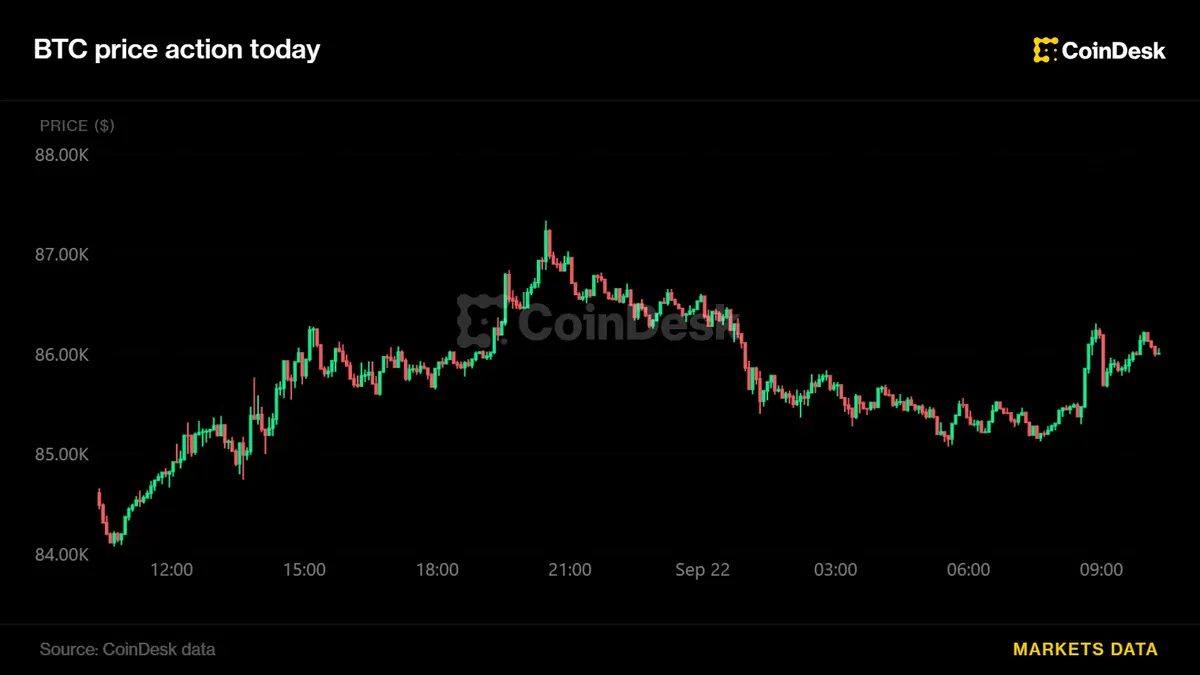
Bitcoin bounces back to $86,000 as oil prices decline and stocks rise

Prediction markets projected to reach $10 trillion by 2035, surpassing sports