Strive Blames Leverage Liquidations After SATA and Bitcoin Giant Strategy's STRC Plunge

In a significant turn of events, Strive Asset Management has pointed to leveraged liquidations as the primary reason behind the sharp decline of its equity offerings, particularly the STRC and SATA tokens. The abrupt drop has sent shockwaves through the crypto market, raising concerns about the sustainability of leveraged positions amid volatile trading conditions. Strive's latest statement emphasizes how the unwinding of these leveraged positions contributed to the downturn, which has left many investors reeling and questioning the stability of their investments in the current landscape.
To understand the implications of this situation, it is essential to consider the broader context of leverage in the cryptocurrency market. Leverage allows traders to amplify their potential gains, but it also increases the risk of significant losses. In recent months, the market has experienced heightened volatility, prompting many investors to adopt leveraged strategies in hopes of capitalizing on price movements. However, when prices move against their positions, it can trigger forced liquidations, leading to cascading sell-offs that further exacerbate market declines. The situation with Strive serves as a stark reminder of the risks associated with using leverage in an already unpredictable environment.
This incident matters for the market as it highlights the fragility of investor confidence in leveraged investments. The turmoil surrounding STRC and SATA could lead to a broader reassessment of risk management strategies among traders and institutional investors. If confidence wanes, we may see a ripple effect across the crypto ecosystem, with potential consequences for trading volumes and overall market liquidity. The incident may also prompt regulatory scrutiny, as authorities monitor how leveraged positions are managed within the cryptocurrency sector.
The industry reaction has been one of concern, with various experts weighing in on the potential fallout. Some analysts believe that the situation could serve as a wake-up call for investors, emphasizing the need for better risk management practices. Others suggest that the decline in STRC and SATA could lead to a shift in focus toward more stable investment vehicles in the crypto space. Overall, there is a consensus that the events surrounding Strive's equity offerings could influence market sentiment and trading strategies moving forward.
Looking ahead, it remains to be seen how Strive and other firms will navigate the aftermath of this incident. Market participants will likely be watching closely for any signs of recovery or further declines in the affected tokens. Additionally, discussions around leverage in crypto trading are expected to intensify, with potential implications for how products like STRC and SATA are structured in the future. As the dust settles, the industry may need to adapt to ensure greater stability and investor protection in the face of inevitable market fluctuations.

CoinMagnetic Team
Crypto investors since 2017. We trade with our own money and test every exchange ourselves.
Updated: June 2026
From our insights:
Related news
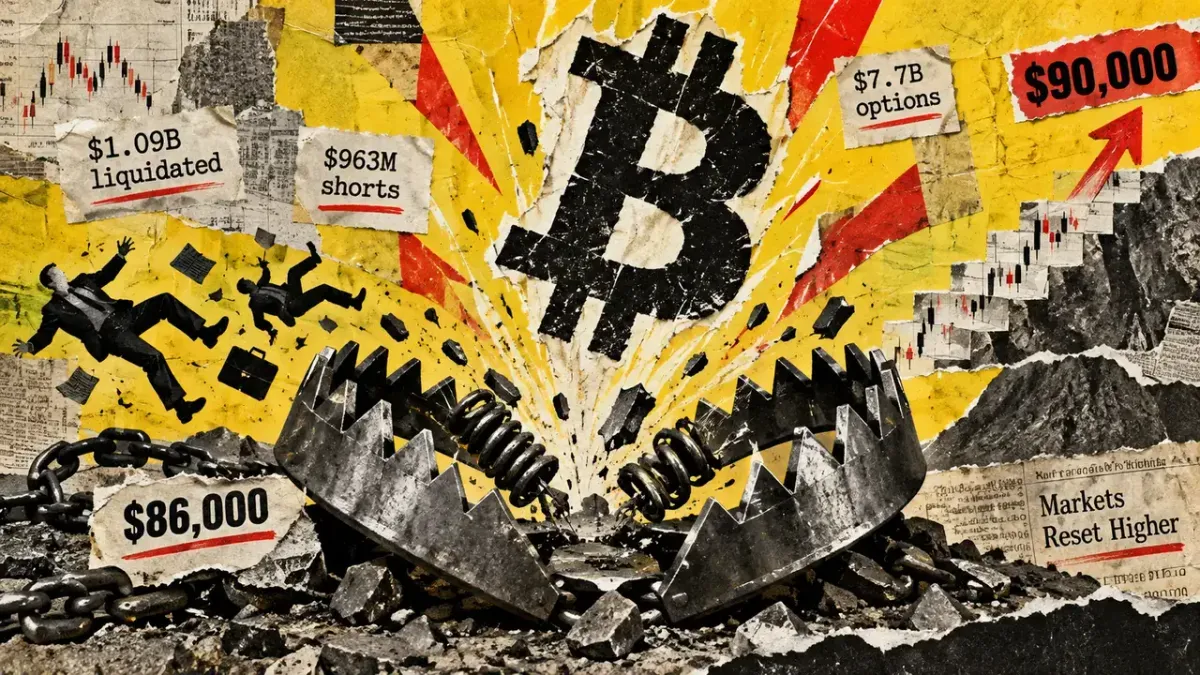
Bitcoin surges past $86,000 as $1 billion in shorts are liquidated, eyes on $90,000
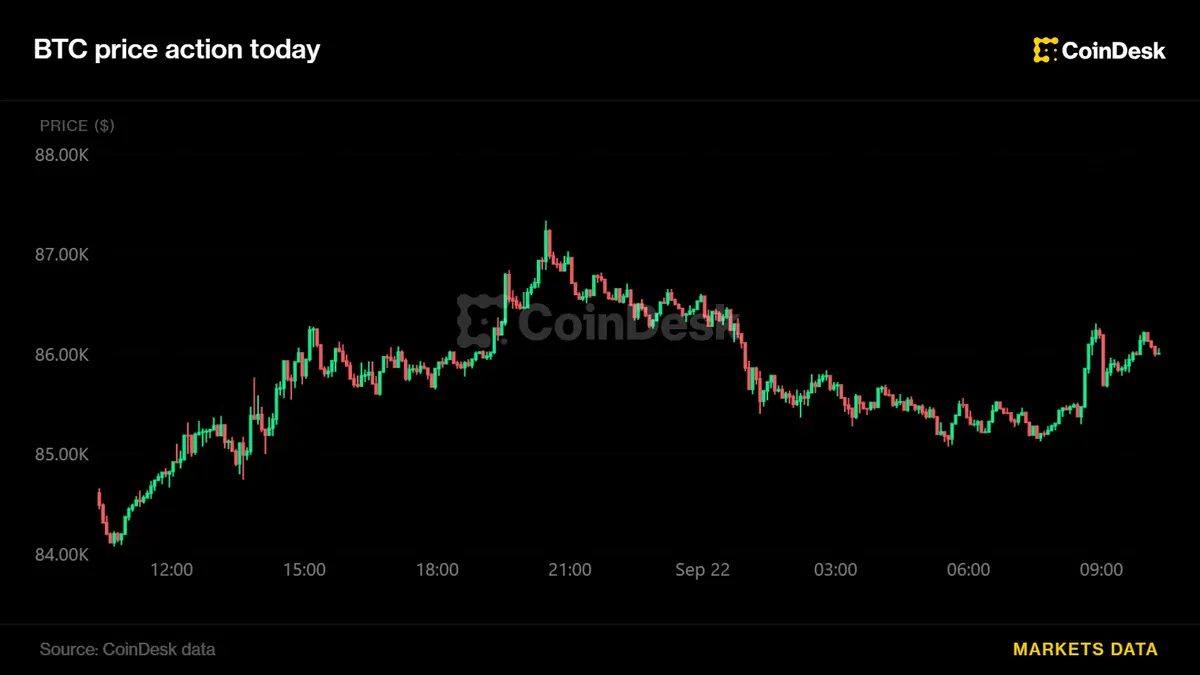
Bitcoin bounces back to $86,000 as oil prices decline and stocks rise

Prediction markets projected to reach $10 trillion by 2035, surpassing sports
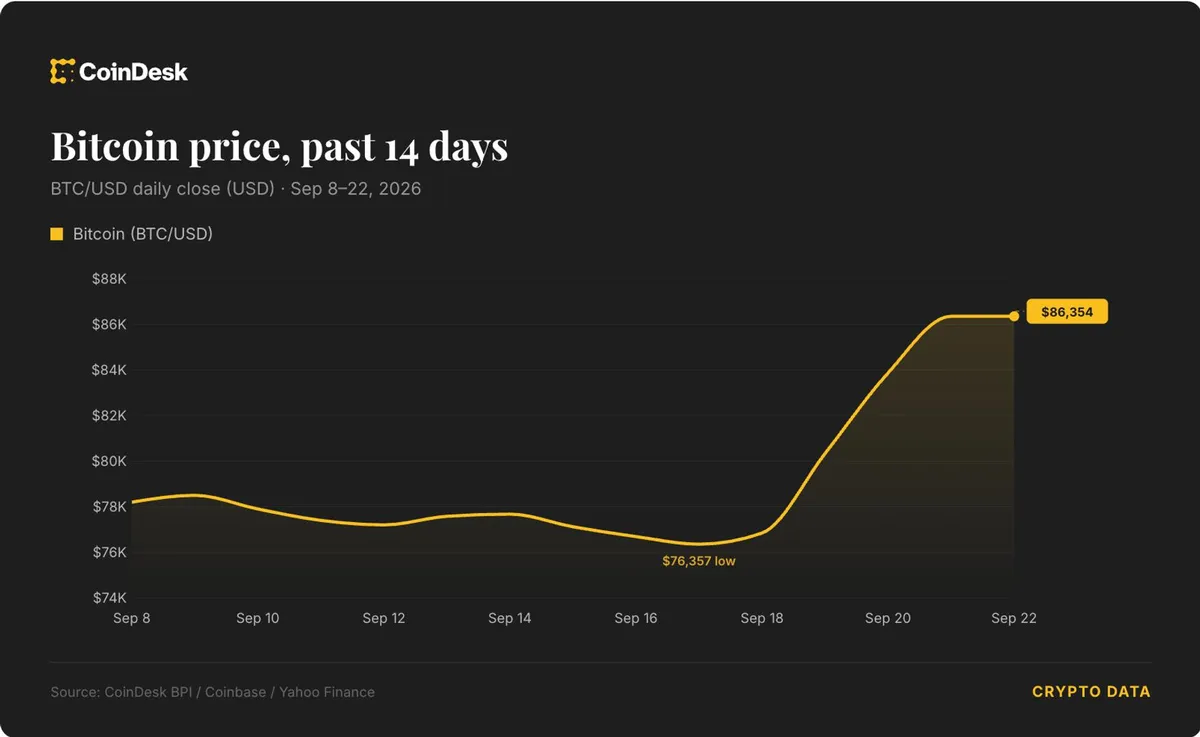
Iran hints at reopening Strait of Hormuz, WTI oil drops to $89

New altseason signal emerges as Bitcoin market cap stays under 60%