Strategy taps cash reserve to retire $1.5 billion in convertible debt

In a significant development for the cryptocurrency sector, Michael Saylor and his team at Strategy have announced their plan to utilize cash reserves to retire $1.5 billion in convertible debt. This strategic move appears to be a part of a broader effort to restructure the company's liabilities, particularly those associated with its Bitcoin treasury strategy. By using cash for these repurchases, the company aims to alleviate some of the financial burdens and position itself more favorably in the market.
To provide some context, convertible debt is a form of financing that allows creditors to convert their debt into equity, often at a predetermined price. This kind of debt can be advantageous for companies looking to raise capital, but it also introduces complexities, particularly when it involves large sums. Strategy's decision to tackle $1.5 billion in convertible debt is indicative of its proactive approach to managing its balance sheet, especially in light of the volatile nature of the cryptocurrency market. The company's large Bitcoin treasury has been a cornerstone of its financial strategy, and stabilizing its liabilities could enhance its operational flexibility.
This move is particularly important for the cryptocurrency market, as it signals a trend towards more prudent financial management among crypto companies. By addressing debt levels, companies like Strategy not only improve their own financial health but also contribute to the overall stability of the market. Investors often view a company's ability to manage its liabilities as a key indicator of sound management practices, which could lead to increased investor confidence in the crypto space as a whole.
Industry reactions have been generally positive, with experts noting that this move could set a precedent for other companies in the sector. Analysts have pointed out that proactive debt management is crucial, especially as the market faces ongoing regulatory scrutiny and economic uncertainty. Some industry insiders believe that this approach could inspire more companies to follow suit, leading to a healthier financial ecosystem within the cryptocurrency landscape.
Looking ahead, we anticipate that Strategy's decision could prompt further discussions on the importance of financial restructuring in the crypto sector. As more companies evaluate their own liabilities in light of this news, we may see a shift towards a more cautious approach to capital management. This could ultimately lead to greater sustainability and resilience in the market, benefiting both investors and the broader cryptocurrency community as it continues to evolve.

CoinMagnetic Team
Crypto investors since 2017. We trade with our own money and test every exchange ourselves.
Updated: May 2026
From our insights:
Related news
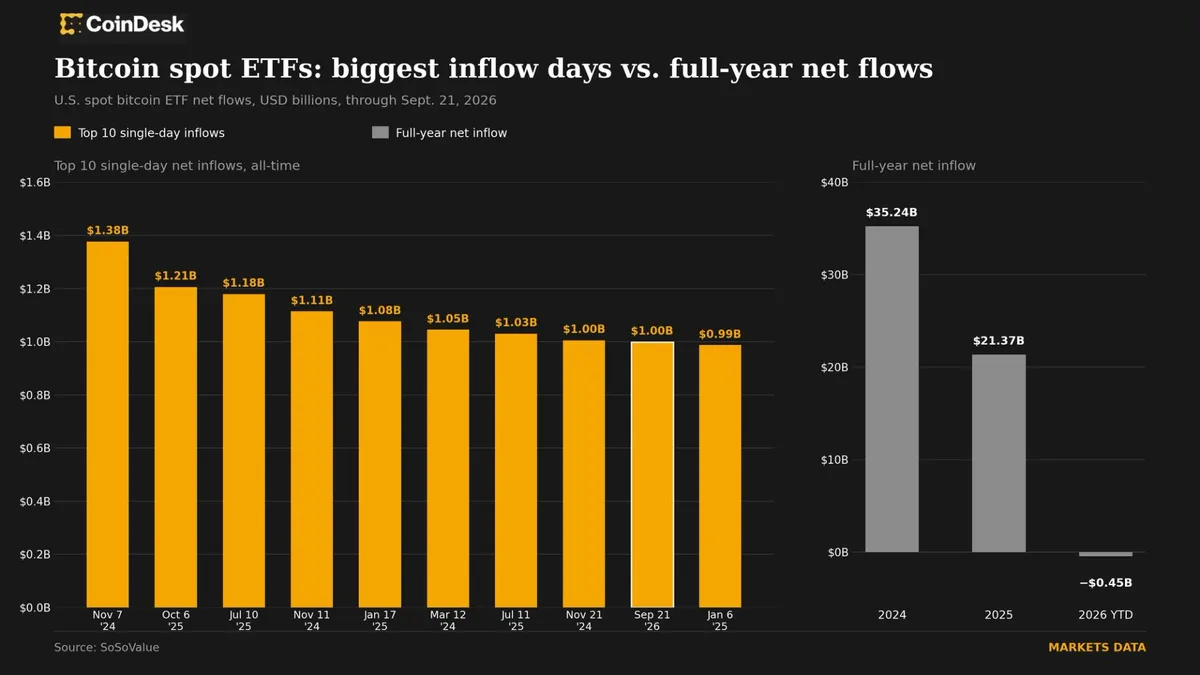
Spot bitcoin ETFs see nearly $1 billion inflow as bitcoin hits January highs

US spot Bitcoin ETFs see nearly $1 billion inflow, highest since October 2025

Bitcoin's rise to $86,000 restores profitability for ETF investors

Apple and Google seek crypto experts, signaling potential stablecoin initiatives

ECB initiates bond purchases using its own funds in crypto-linked system