Strategy's STRC slump prompts Terra comparisons that don't hold up, says analyst

The recent slump in Strategy's STRC has sparked discussions among analysts and investors alike, drawing comparisons to the Terra ecosystem's collapse. Mark Palmer, a prominent analyst at Benchmark, has taken a firm stance against these comparisons, asserting that they fundamentally misinterpret the nature of STRC. Unlike Terra's algorithmic stablecoin model, which was designed to maintain a peg to the U.S. dollar, STRC operates as a dividend-paying share that is indirectly backed by Bitcoin. This distinction is crucial, as it underscores the different mechanisms and risks associated with each asset.
To understand the current situation, it is essential to consider the backdrop against which STRC emerged. Launched with the promise of merging traditional finance with the burgeoning world of cryptocurrency, STRC was designed to provide a stable return to its investors by paying dividends linked to Bitcoin's performance. This model is significantly different from Terra's, which attempted to maintain its value through complex algorithms and market incentives, ultimately leading to its dramatic downfall. The comparison, as Palmer argues, fails to recognize these fundamental differences, which are critical for evaluating the risks and potential of STRC.
This matter holds considerable importance for the broader market, especially as investors become increasingly wary of assets that exhibit volatile behavior. Misleading comparisons can lead to unjustified panic, causing further declines in value and eroding investor confidence. By clarifying the nature of STRC, analysts like Palmer hope to reinstate a sense of stability and confidence in dividend-paying crypto assets. As the market grapples with its recovery from various downturns, understanding the nuances of different investment vehicles becomes paramount in navigating potential risks.
Reactions from the industry have been mixed, with some experts supporting Palmer's view while others remain skeptical about the long-term viability of assets like STRC. There are concerns that without a more robust backing or clearer regulatory frameworks, even assets that claim to be distinct from Terra could face challenges. However, others believe that the unique structure and backing of STRC could provide a safer harbor for investors looking to navigate the turbulent waters of the crypto market.
Moving forward, the focus will likely shift to how STRC can leverage its unique position in the market and whether it can regain investor trust. As the cryptocurrency landscape continues to evolve, the need for transparency and clear communication about asset structures will become increasingly critical. Investors and analysts alike will be watching closely to see how STRC adapts to the current climate and whether it can establish itself as a legitimate alternative to more traditional investment options in the crypto space.

CoinMagnetic Team
Crypto investors since 2017. We trade with our own money and test every exchange ourselves.
Updated: June 2026
From our insights:
Related news
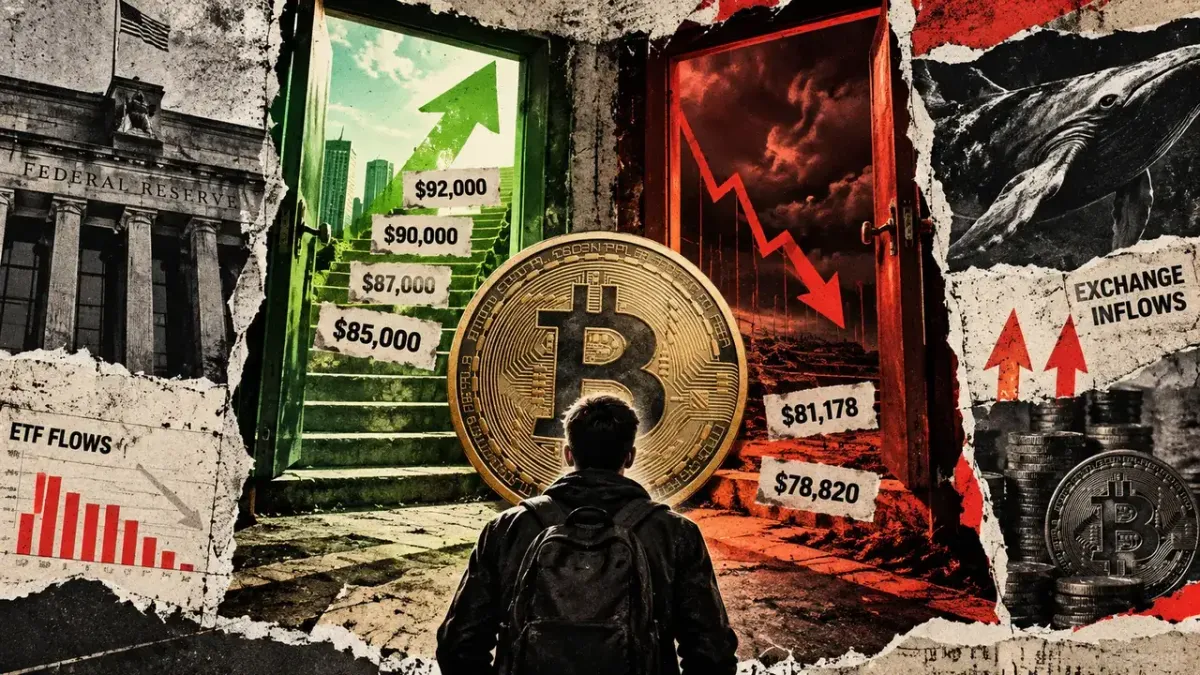
Bitcoin's weekly close above $81,000 signals potential rise to $90,000

Elon Musk's X integrates bitcoin trading options for U.S. users
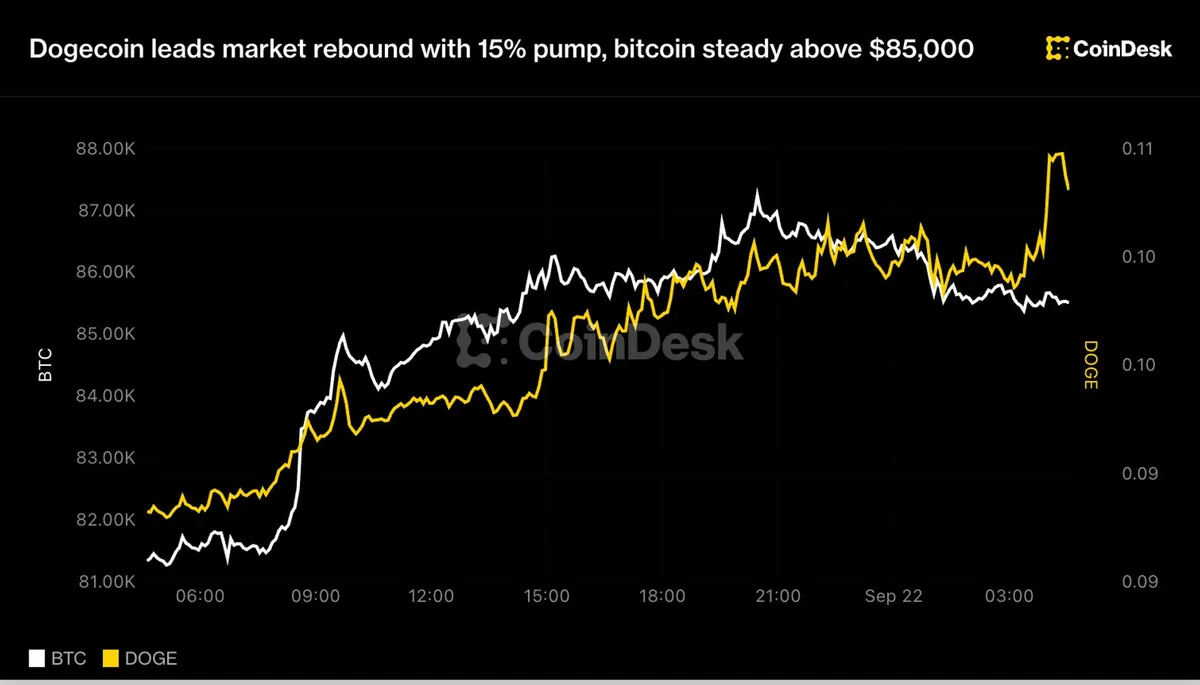
Dogecoin's 15% surge drives market recovery as bitcoin stabilizes above $85,000

Cardano adds tools for AI agent payments, joining Solana and XRP Ledger
Trueo prediction market moves from Base to Ethereum