Strategy's Michael Saylor Blames 'Capital Rotation' Into AI as Bitcoin Dives 13%

This week, Bitcoin has experienced a significant downturn, plunging nearly 13% and nearing a staggering 50% drop from its peak earlier this year. The decline has raised concerns among investors and market analysts alike, as it highlights the volatility that has long characterized the cryptocurrency space. Michael Saylor, the co-founder of Strategy and a prominent figure in the Bitcoin community, has attributed this recent drop to a "capital rotation" into artificial intelligence (AI) investments. Saylor argues that the current enthusiasm surrounding AI technologies has drawn capital away from cryptocurrencies, particularly Bitcoin, leading to the sharp decline in its value.
To understand this context, it is essential to look back at the trajectory of both Bitcoin and the AI sector. Bitcoin reached its peak in late 2021, capturing attention as a revolutionary digital asset. However, since then, various economic factors, regulatory scrutiny, and market sentiment have influenced its price movements. Meanwhile, the AI sector has gained unprecedented momentum, fueled by advancements in machine learning and natural language processing, which have captivated both institutional and retail investors. As companies race to integrate AI into their operations, substantial amounts of capital have flowed into this burgeoning field, likely at the expense of traditional assets like Bitcoin.
The implications of this capital rotation for the cryptocurrency market are noteworthy. As interest in AI technologies grows, Bitcoin and other cryptocurrencies may face increased pressure as investors seek to capitalize on the perceived opportunities in AI. This shift could lead to further declines in crypto prices, particularly if the trend continues. Additionally, the psychological impact of such a downturn could exacerbate investor fears, leading to a self-reinforcing cycle of selling and declining prices. Understanding these dynamics is crucial for anyone involved in the crypto space, as they navigate the ever-changing landscape.
Industry reactions to Saylor's comments have been mixed. Some analysts agree with his assessment, suggesting that the AI boom is indeed siphoning off investment capital from cryptocurrencies. Others, however, caution against oversimplifying the situation, pointing out that Bitcoin's price movements are influenced by a multitude of factors, including macroeconomic trends, regulatory changes, and market sentiment. Experts have emphasized the need for investors to maintain a long-term perspective, despite the short-term fluctuations that can often cloud judgment in the crypto market.
Looking ahead, the question remains–what's next for Bitcoin and the broader cryptocurrency market? If the capital rotation into AI continues, we may see further volatility in crypto prices. However, historical trends suggest that Bitcoin has demonstrated resilience in the face of market challenges. Investors and stakeholders will be closely monitoring both the AI sector and the broader economic landscape to gauge potential impacts on cryptocurrency valuations. As always, the interplay between emerging technologies and established asset classes will create both risks and opportunities for those engaged in the evolving financial landscape.

CoinMagnetic Team
Crypto investors since 2017. We trade with our own money and test every exchange ourselves.
Updated: June 2026
From our insights:
Related news

Bitcoin's weekly close above $81,000 signals potential rise to $90,000

Elon Musk's X integrates bitcoin trading options for U.S. users
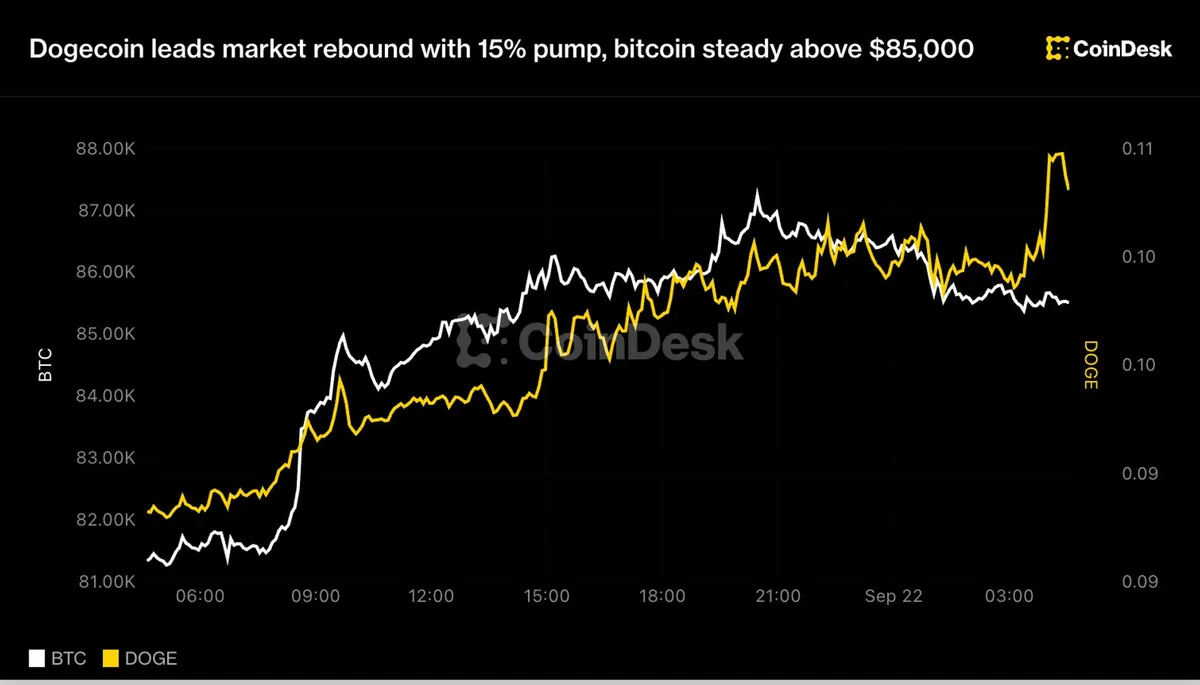
Dogecoin's 15% surge drives market recovery as bitcoin stabilizes above $85,000

Cardano adds tools for AI agent payments, joining Solana and XRP Ledger

Trueo prediction market moves from Base to Ethereum