Strategy's bitcoin purchase fails to stir BTC price

Bitcoin has remained relatively stable despite a recent purchase made by Strategy, a notable player in the crypto space. The acquisition, which was expected to generate some upward momentum for Bitcoin's price, has not had the anticipated effect. Investors are currently adopting a cautious stance as they await critical economic indicators, specifically U.S. inflation data, which is set to be released soon. Additionally, next week's Federal Reserve meeting looms large, adding further uncertainty to the market.
Understanding the broader context is essential to appreciate the current situation. The cryptocurrency market has been experiencing volatility as investors grapple with macroeconomic factors, including interest rates and inflation. The Fed's monetary policy decisions have a significant impact on risk assets, including Bitcoin. In recent months, fluctuations in the inflation rate have caused investors to reconsider their positions in cryptocurrencies, leading to a wait-and-see approach. As such, Strategy's purchase occurs during a period of heightened caution among market participants.
This lack of movement in Bitcoin's price following the purchase is significant for several reasons. It indicates that market sentiment may be more influenced by external economic factors than by individual transactions within the crypto ecosystem. The current environment has led to a general sense of risk aversion, where investors are hesitant to commit to assets that could be affected by upcoming economic data. Consequently, Bitcoin's price stability could signify a broader trend of indecision among investors regarding the asset's future trajectory.
Reactions from industry experts have varied, with some expressing disappointment over the muted response to Strategy's purchase. Analysts suggest that this could be indicative of a market that is more focused on macroeconomic indicators than on the fundamentals of Bitcoin and other cryptocurrencies. Others, however, argue that the stability seen in Bitcoin's price might reflect a maturing market that is slowly becoming less reactive to individual news events. They posit that as the market evolves, Bitcoin might no longer exhibit the same volatility in response to specific purchases or sales.
Looking ahead, the next few weeks will be crucial for Bitcoin and the broader cryptocurrency market. The impending U.S. inflation data and the outcomes of the Federal Reserve meeting will likely play a pivotal role in determining market direction. If inflation numbers come in higher than expected, it could lead to increased volatility and potentially downward pressure on Bitcoin's price. Conversely, a more favorable economic outlook may reignite investor interest in cryptocurrencies, paving the way for price recovery and renewed momentum. As we monitor these developments, the market's response will be essential in shaping the future landscape of Bitcoin trading.

CoinMagnetic Team
Crypto investors since 2017. We trade with our own money and test every exchange ourselves.
Updated: June 2026
From our insights:
Related news
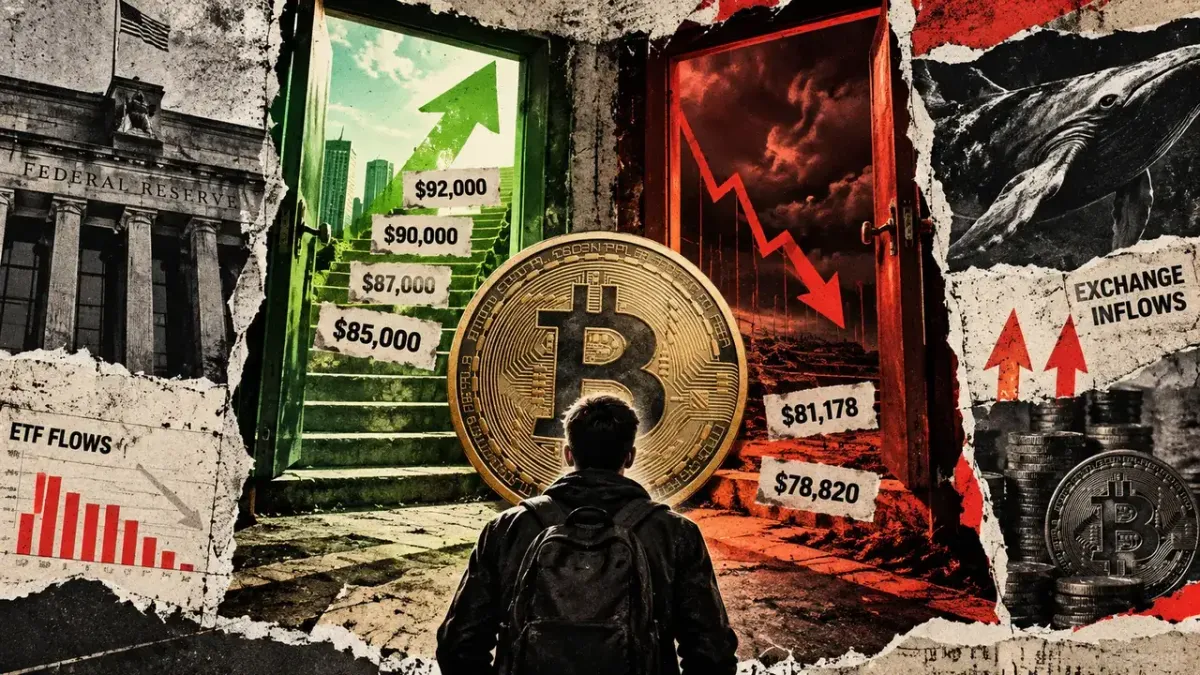
Bitcoin's weekly close above $81,000 signals potential rise to $90,000

Elon Musk's X integrates bitcoin trading options for U.S. users
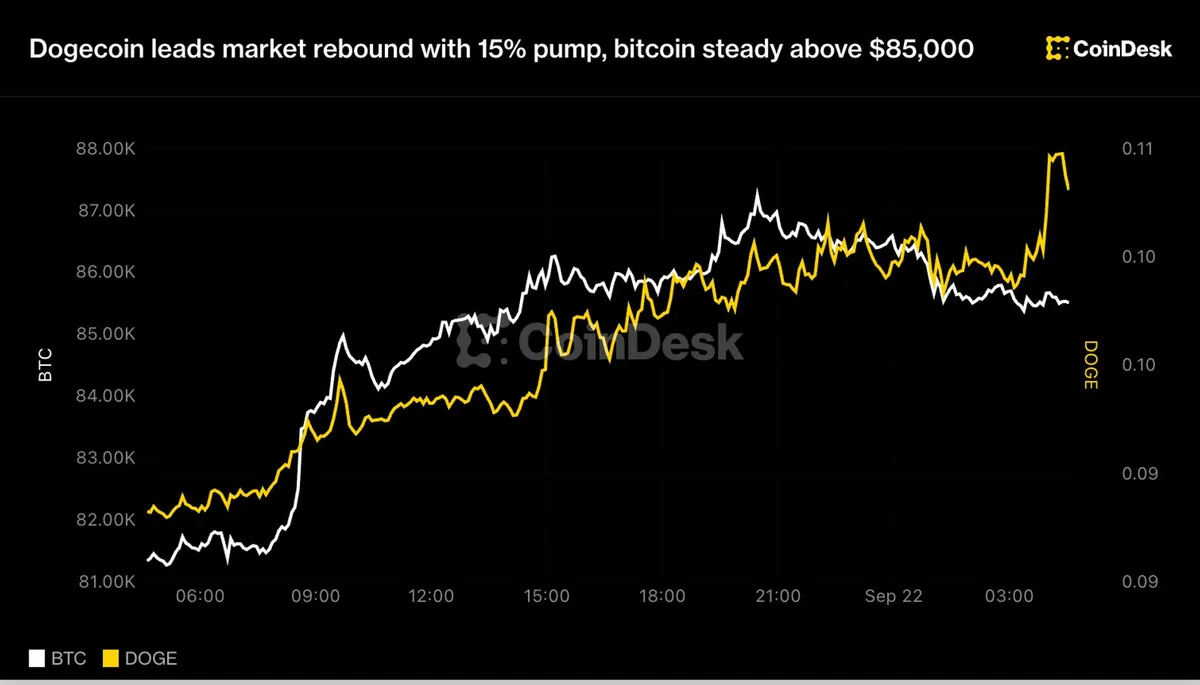
Dogecoin's 15% surge drives market recovery as bitcoin stabilizes above $85,000

Cardano adds tools for AI agent payments, joining Solana and XRP Ledger

Trueo prediction market moves from Base to Ethereum