Standard Chartered compares Ethereum to Amazon during 2001 dot-com bubble burst, says ETH will catch up to internal metrics
Standard Chartered Bank has made headlines with its bold comparison of Ethereum to Amazon during the tumultuous period of the 2001 dot-com bubble burst. The bank asserts that Ethereum, much like Amazon, is poised to rebound and catch up to its internal metrics. Despite the current market volatility and skepticism surrounding cryptocurrencies, Standard Chartered has set ambitious price targets for ether, forecasting $4,000 by the end of 2026 and an impressive $40,000 by 2030. This optimistic outlook stems from the belief that Ethereum's underlying technology and utility will eventually drive its value to align with its network growth and adoption.
To understand the significance of this comparison, it is essential to reflect on the historical context of the dot-com bubble. In the late 1990s, many internet-based companies saw astronomical valuations despite lacking substantial revenue or business models. When the bubble burst in 2001, many of these companies faced severe declines. However, Amazon emerged as a key player that not only survived the fallout but thrived in the subsequent years. Standard Chartered draws parallels between Ethereum's current challenges and those faced by tech companies back then, suggesting that the cryptocurrency's fundamentals will ultimately lead to a recovery and significant growth.
The implications of Standard Chartered's analysis are substantial for the crypto market. A price target of $40,000 by 2030 could signal a renewed wave of investor interest in Ethereum, particularly as the cryptocurrency ecosystem continues to evolve. If Ethereum can indeed replicate Amazon's trajectory, it may encourage more institutional investment and confidence in the broader crypto market. As such, this projection could serve as a crucial marker for both current and prospective investors, potentially influencing market sentiment and investment strategies.
Industry reactions to Standard Chartered's forecast have been varied. Some experts express cautious optimism, acknowledging the potential for Ethereum's continued growth thanks to its robust smart contract capabilities and increasing adoption in decentralized finance (DeFi) and non-fungible tokens (NFTs). Others remain skeptical, citing the volatility inherent in the crypto space and the uncertainties surrounding regulatory developments. Nevertheless, many agree that Ethereum's advancements, including the shift to proof-of-stake, position it well for future growth.
Looking ahead, the next few years will be crucial for Ethereum as it seeks to fulfill the ambitious targets set by Standard Chartered. Market participants will be closely monitoring the ongoing developments within the Ethereum ecosystem, including upgrades to scalability and security, as well as the broader adoption of decentralized applications. If Ethereum can deliver on its promises and overcome the current challenges, it may well take the spotlight in the crypto market, akin to how Amazon emerged as a leader in the tech industry post-dot-com crash.

CoinMagnetic Team
Crypto investors since 2017. We trade with our own money and test every exchange ourselves.
Updated: May 2026
From our insights:
Related news

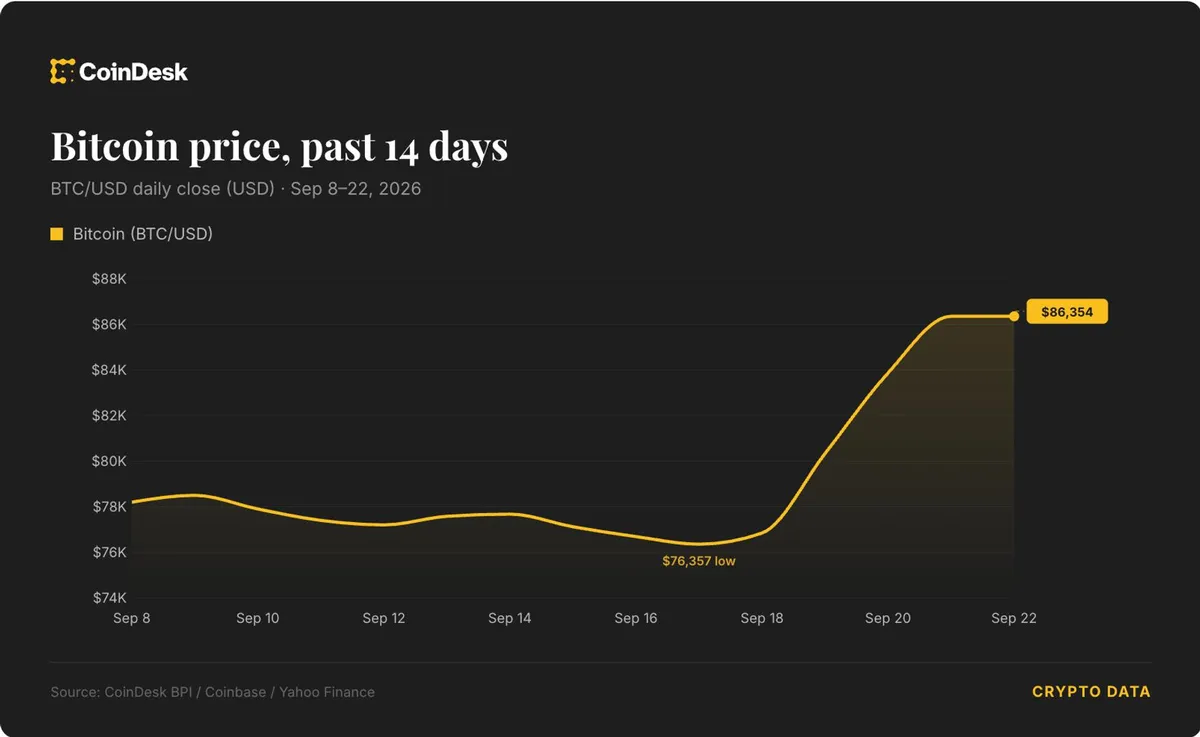
Bitcoin surges past $86,000 as $1 billion in shorts are liquidated, eyes on $90,000
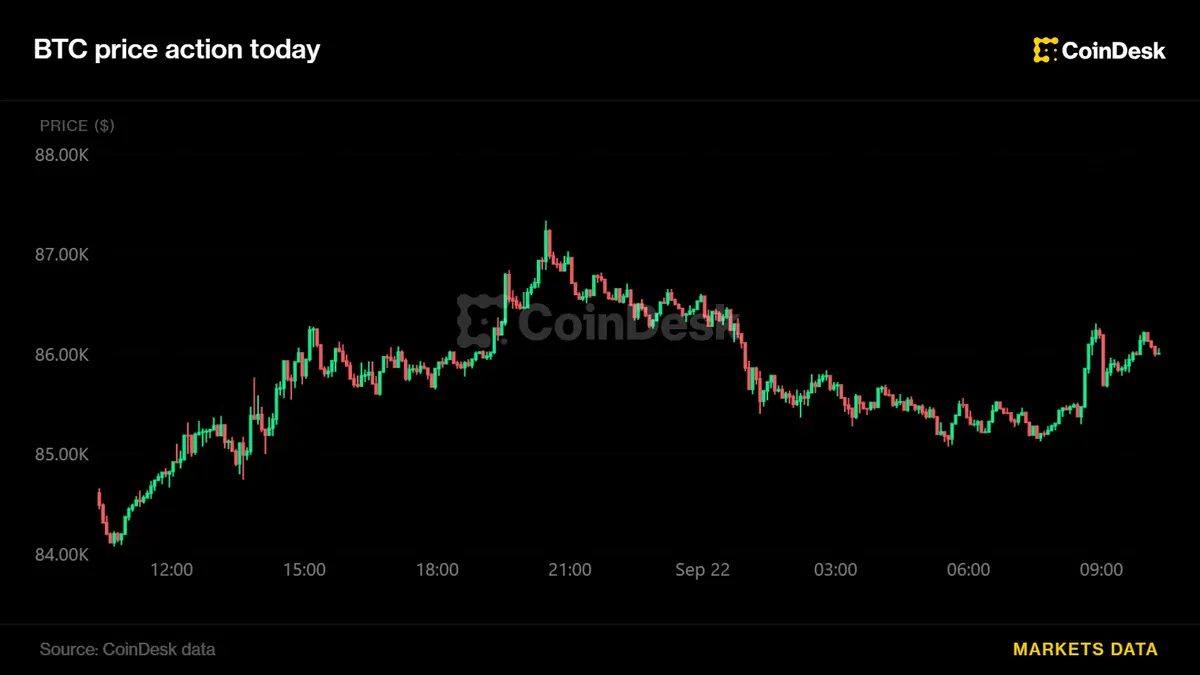
Bitcoin bounces back to $86,000 as oil prices decline and stocks rise

Prediction markets projected to reach $10 trillion by 2035, surpassing sports
Iran hints at reopening Strait of Hormuz, WTI oil drops to $89

New altseason signal emerges as Bitcoin market cap stays under 60%