Stablecoins were supposed to bypass credit cards, but now Visa is winning crypto card payments
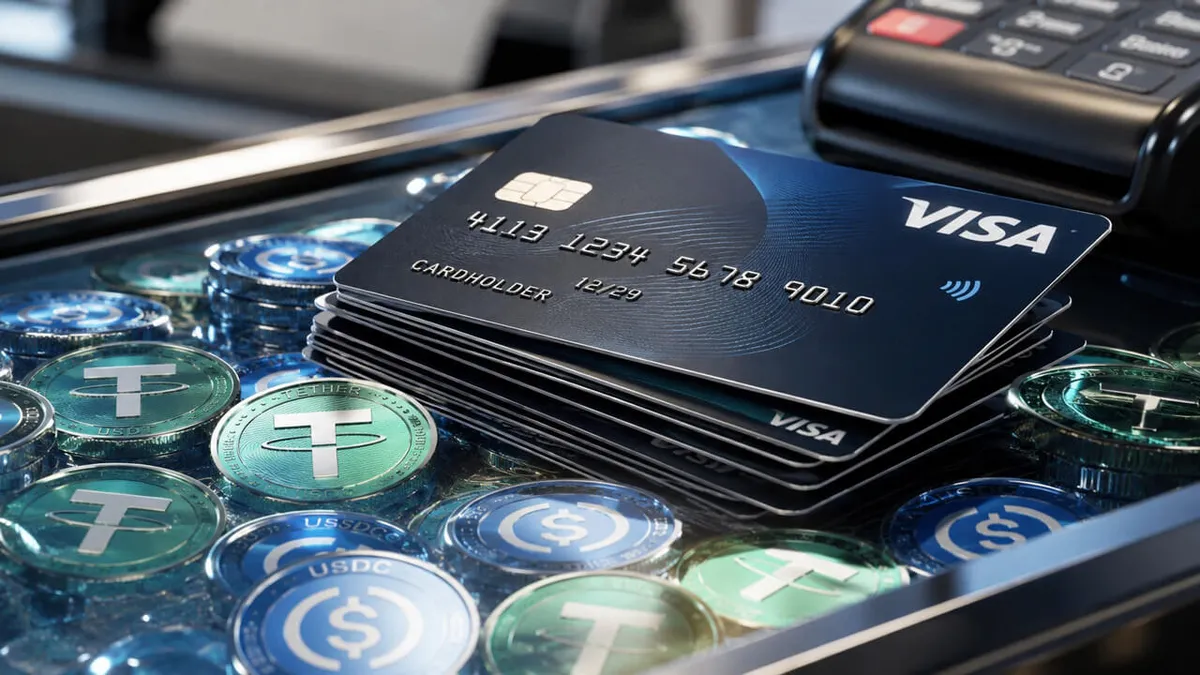
Recent reports indicate a significant shift in the landscape of crypto payments as stablecoins, initially designed to bypass traditional financial intermediaries, are increasingly reliant on established payment networks like Visa. Data from The Kobeissi Letter highlights that crypto-card spending has surged to approximately $600 million per month, leading to a staggering cumulative on-chain card volume of $7.2 billion. This trend underscores how consumer adoption of crypto payments is aligning more closely with legacy systems, rather than dismantling them.
The rise of stablecoins was initially heralded as a revolutionary change in the financial ecosystem, with the promise of facilitating direct peer-to-peer transactions without the need for banks or credit card companies. However, as the market matures, it appears that many users prefer the convenience and familiarity of existing payment infrastructures. The integration of stablecoins into Visa's payment network has allowed for a seamless experience that merges the benefits of cryptocurrency with the reliability of traditional systems, creating a hybrid approach to digital payments.
This development is crucial for the broader cryptocurrency market as it signals a growing acceptance of digital assets in mainstream finance. While stablecoins were designed to challenge the status quo, their dependence on established players like Visa illustrates the complexities of consumer behavior and market dynamics. As more users engage with crypto through familiar payment methods, it could lead to increased legitimacy and usage of stablecoins and other digital currencies, ultimately benefiting the entire crypto ecosystem.
Industry experts have weighed in on this trend, with many noting that while the original vision of stablecoins aimed at decentralization, the current trajectory reflects a pragmatic adaptation to consumer preferences. Some analysts argue that this symbiotic relationship between stablecoins and traditional payment networks could foster innovation, encouraging more players to enter the crypto space while maintaining user-friendly experiences. Others caution that this reliance on legacy systems may hinder the long-term goal of achieving a truly decentralized financial landscape.
Looking ahead, it will be interesting to see how this relationship evolves. As stablecoins continue to grow in popularity, the potential for further integration with legacy financial systems seems likely. We may witness new partnerships and collaborations that strive to balance convenience with the core principles of decentralization. Ultimately, the success of stablecoins may hinge on their ability to maintain user trust while navigating the complexities of existing financial infrastructures.

CoinMagnetic Team
Crypto investors since 2017. We trade with our own money and test every exchange ourselves.
Updated: May 2026
From our insights:
Related news

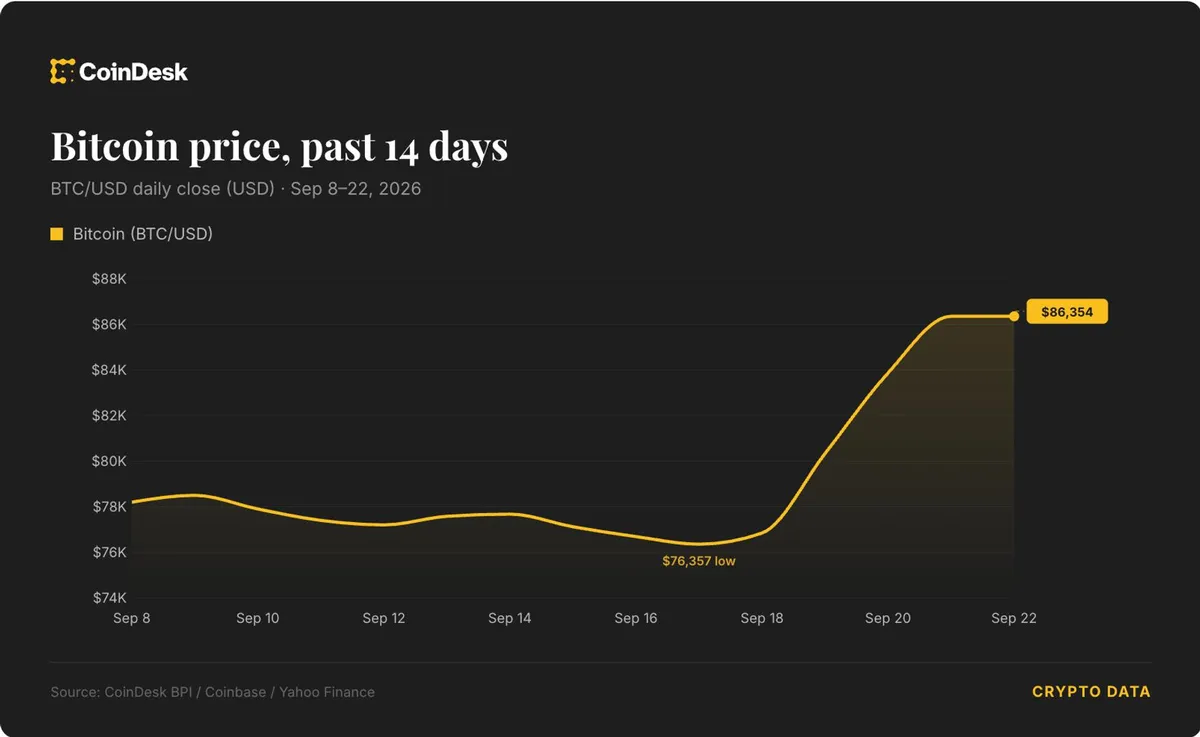
Bitcoin surges past $86,000 as $1 billion in shorts are liquidated, eyes on $90,000

Bitcoin bounces back to $86,000 as oil prices decline and stocks rise

Prediction markets projected to reach $10 trillion by 2035, surpassing sports
Iran hints at reopening Strait of Hormuz, WTI oil drops to $89

New altseason signal emerges as Bitcoin market cap stays under 60%